Discover the personality, care needs, diet, health requirements, and lifelong considerations of this beloved songbird
Understanding the Gloster canary and Its Unique Appeal
The Gloster canary is a small, elegant songbird admired for its beautiful appearance, cheerful personality, and pleasant singing ability. Popular among bird enthusiasts, this breed is known for its compact size, rounded shape, and friendly nature, making it a favorite choice for both beginner and experienced bird keepers.
Unlike some birds that require constant handling and interaction, canaries are often appreciated for their beauty and songs. The Gloster canary brings charm into a home through its lively behavior, colorful feathers, and peaceful presence.
Understanding this bird’s characteristics, nutrition, health needs, and long-term care requirements helps owners create an environment where their feathered companion can thrive.
Key Features and Characteristics
Appearance and Physical Traits
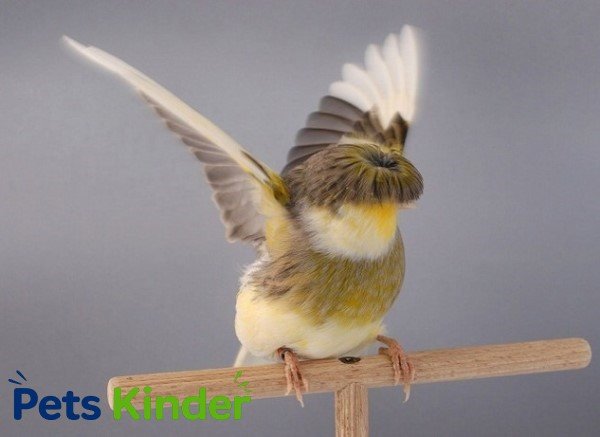
The Gloster canary is recognized for its small size, rounded body shape, and smooth feather appearance. One of its most famous features is the rounded head style found in some varieties, often described as having a “cap” of feathers.
This breed comes in different colors, including yellow, green, cinnamon, and mixed shades. Their compact appearance and graceful movements make them visually appealing additions to a home.
There are two main types within the breed: those with a crested head appearance and those with a smooth head. Both types share similar personality traits and care needs.
Personality and Singing Behavior
The Gloster canary is valued for its cheerful and active personality. These birds enjoy singing, exploring their surroundings, and interacting with their environment.
Male canaries are generally known for stronger singing abilities, especially when they are healthy and comfortable. Their songs can add a pleasant atmosphere to a home, although individual birds may vary in their vocal style.
These birds are not typically known for being cuddly like parrots, but they can become comfortable around their owners. With patience and a calm environment, they can learn to recognize familiar routines and voices.
Diet and Nutrition Requirements
A balanced diet plays a major role in maintaining the health and energy of a Gloster canary. These birds need a combination of quality seeds, fresh foods, and essential nutrients to support their feathers, digestion, and overall wellness.
A high-quality canary seed mix can provide a nutritional foundation, but seeds alone may not offer complete nutrition. Fresh vegetables such as leafy greens, carrots, and other bird-safe options can provide additional vitamins and minerals.
Small amounts of fresh fruit may also be offered occasionally, but sugary foods should remain limited. Clean drinking water should always be available and changed regularly.
Calcium sources are important, especially for maintaining strong bones and supporting feather health. Cuttlebone or other bird-safe mineral sources are often provided in cages.
Owners should avoid feeding harmful foods such as chocolate, avocado, caffeine, alcohol, and heavily processed human foods.
Health, Care, and Common Issues
Creating a Healthy Living Environment
A comfortable habitat is essential for a Gloster canary’s physical and emotional well-being. The cage should provide enough room for movement, flying, and natural behaviors.
Perches of different sizes help support healthy feet, while toys and enrichment items encourage activity. Placing the cage in a safe area away from extreme temperatures, smoke, and harmful fumes helps protect their sensitive respiratory systems.
Regular cage cleaning is necessary to prevent bacteria buildup and maintain good hygiene. Food dishes, water containers, and cage surfaces should be cleaned frequently.
Although these birds are small, they still need daily attention and observation. Monitoring their behavior can help owners notice early signs of health concerns.
Common Health Problems
Like other pet birds, the Gloster canary may experience health problems if their care needs are not properly met. Common concerns include respiratory infections, feather issues, mites, nutritional deficiencies, and digestive problems.
Signs of illness may include reduced activity, changes in eating habits, difficulty breathing, unusual droppings, or a sudden decrease in singing.
Because birds often hide symptoms, early detection is important. Regular checkups with an avian veterinarian can help maintain good health and identify problems before they become severe.
Proper nutrition, cleanliness, and stress reduction are among the best ways to support a longer and healthier life.
Characteristics, Lifespan, and Long-Term Considerations
The Gloster canary can become a rewarding companion for many years when given proper care. Their lifespan is often several years, and some may live longer depending on genetics, diet, environment, and healthcare.
Owning one requires commitment to daily care, including feeding, cleaning, and monitoring their health. While they may not require the same level of interaction as larger parrots, they still depend on owners to provide a safe and stimulating environment.
These birds are sensitive to stress, so maintaining a predictable routine can help them feel secure. Sudden changes in location, noise levels, or handling should be introduced carefully.
The Gloster canary is also a good choice for people who appreciate observing bird behavior and enjoying natural songs rather than expecting constant physical interaction.
Training and Building Trust
Although canaries are not usually trained in the same way as parrots, they can become familiar with their owners and surroundings. A calm approach helps build trust over time.
Speaking gently, maintaining consistent routines, and avoiding sudden movements can make the bird feel safer. Many owners enjoy watching their canary become more comfortable and active within its environment.
Providing enrichment through safe toys, natural perches, and opportunities for movement supports mental stimulation and overall happiness.
Choosing the Right Care Routine
Successful bird ownership depends on understanding the individual needs of the species. A Gloster canary requires proper nutrition, a clean habitat, regular observation, and a peaceful environment.
Before bringing one home, potential owners should consider their ability to provide daily care and long-term attention. These birds may be small, but their needs are important.
Creating the right balance of safety, nutrition, and stimulation allows them to display their natural behaviors and enjoy a better quality of life.
Final Thoughts on the gloster canary
The Gloster canary is a delightful companion bird known for its beauty, charming personality, and enjoyable songs. Its small size and manageable care needs make it a popular choice among bird lovers.
With the right diet, proper housing, regular health attention, and a calm environment, this little bird can bring years of happiness to a home. Understanding their unique qualities is the first step toward becoming a responsible and caring owner.