Abyssinian Guinea Pig: The Curly-Coated Companion Every Pet Lover Should Know

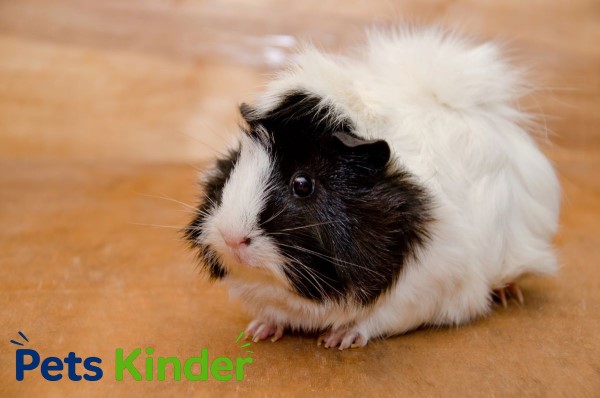
A complete guide to size, colors, breeding, and lifelong care
What Makes the Abyssinian Guinea Pig So Special?
If you’ve ever spotted a guinea pig with a wild, spiky coat that looks almost windblown, chances are you were looking at an Abyssinian guinea pig. This breed stands out immediately thanks to its rosette pattern, where fur swirls outward from multiple points across the body. Unlike smoother-coated breeds, the Abyssinian guinea pig has a textured, almost sculptural appearance that instantly catches the eye of any pet enthusiast.
Historically, guinea pigs gained popularity among European nobility centuries ago, and records suggest Elizabeth I of England kept small, exotic pets resembling guinea pigs within her royal household. While documentation from that era remains limited, the connection highlights just how long humans have cherished these charming little rodents. Today’s Abyssinian guinea pig carries that same appeal, blending personality with a genuinely unique physical structure.
Abyssinian Guinea Pig Breed Origins and Characteristics
The Abyssinian guinea pig breed didn’t actually originate in Ethiopia, despite what the name suggests. Instead, breeders developed this variety through selective breeding focused on enhancing the rosette pattern, which became a defining trait recognized by guinea pig associations worldwide. Because of this distinctive coat structure, the Abyssinian guinea pig quickly became a favorite among hobbyist breeders and pet show enthusiasts alike.
Each Abyssinian guinea pig typically has between eight and ten rosettes scattered across its body, including the head and rear. These swirling patterns aren’t just decorative; they require slightly more grooming attention than smooth-coated breeds. Additionally, the coarse, wiry texture of their fur feels noticeably different from other guinea pig varieties, giving owners an immediate tactile clue about which breed they’re handling.
Abyssinian Guinea Pig Size and Physical Traits
When fully grown, an Abyssinian guinea pig typically measures between 8 and 10 inches long, making it comparable in size to most standard guinea pig breeds. Adult weight generally ranges from 1.5 to 2.5 pounds, depending on genetics, diet, and overall health. Therefore, while the rosette coat makes this breed visually distinct, its body size remains fairly consistent with other common guinea pig varieties.
Abyssinian Guinea Pig Baby Development
An Abyssinian guinea pig baby is born with rosettes already visible, though the pattern becomes more defined as the animal matures. Babies typically weigh just a few ounces at birth and grow rapidly during their first few months. Because guinea pigs are precocial animals, an Abyssinian guinea pig baby can see, move, and even nibble solid food within hours of being born, which surprises many first-time owners.
Abyssinian Guinea Pig Colors and Coat Variations
One of the most exciting aspects of this breed involves color variety, since the Abyssinian guinea pig comes in an impressive range of shades. Solid colors like black, white, and red appear frequently, alongside multi-colored combinations such as brindle, tortoiseshell, and roan patterns. Breed standards recognize numerous color classifications, allowing competitive breeders to specialize in specific combinations while still maintaining proper rosette formation.
Because coat color genetics can be unpredictable, two Abyssinian guinea pig parents with similar coloring might still produce offspring with surprising variations. This genetic diversity keeps breeding programs interesting and contributes to the breed’s lasting popularity among enthusiasts. Ultimately, color preference comes down to personal taste, since temperament and care needs remain consistent regardless of coat pattern.
Diet and Nutrition for Abyssinian Guinea Pigs
Like all guinea pigs, the Abyssinian guinea pig requires a diet rich in fresh hay, leafy greens, and vitamin C-fortified pellets. Since guinea pigs can’t produce their own vitamin C internally, dietary supplementation becomes absolutely essential for preventing deficiency-related illness. Fresh vegetables like bell peppers and leafy greens should be offered daily, alongside unlimited access to high-quality timothy hay for proper digestion.
Fresh water must always be available, and owners should avoid sugary treats or foods high in calcium, which can contribute to bladder stones over time. Because the Abyssinian guinea pig has the same nutritional needs as other breeds, focusing on consistency and balance matters more than any breed-specific dietary adjustment. A well-fed guinea pig typically shows shinier fur and noticeably more energy.
Health, Care, and Common Issues
Grooming plays a bigger role for the Abyssinian guinea pig compared to smooth-coated breeds, since the rosette pattern can trap dirt and debris more easily. Regular brushing helps maintain coat health and prevents matting around the swirl points. Furthermore, owners should routinely check for signs of mites, fungal infections, or skin irritation, since these issues tend to hide within the textured coat longer than they would on smoother fur.
Respiratory infections, dental overgrowth, and vitamin C deficiency remain the most common health concerns across all guinea pig breeds, including the Abyssinian guinea pig. Routine veterinary checkups help catch these problems early, especially since guinea pigs often mask discomfort until symptoms become severe. Maintaining a clean, dry living space significantly reduces the risk of bacterial infections and supports long-term wellbeing.
Abyssinian Guinea Pig for Sale: What to Look For
If you’re searching for an Abyssinian guinea pig for sale, prioritize breeders who provide clear health records and allow you to see the animal’s living conditions beforehand. Reputable sellers typically separate by gender early to prevent unwanted litters and can answer detailed questions about lineage and rosette quality. Avoid impulse purchases from unverified sources, since hidden health issues often surface only after bringing the guinea pig home.
Pricing for an Abyssinian guinea pig for sale varies based on coat quality, color rarity, and breeder reputation, though most fall within a reasonable range compared to other small pets. Adoption through rescue organizations offers another excellent option, often at a lower cost while giving a guinea pig in need a second chance at a loving home.
Characteristics, Lifespan, and Long-Term Considerations
On average, an Abyssinian guinea pig lives between five and seven years when given proper nutrition, veterinary care, and a stress-free environment. Their playful, social personality makes them wonderful companions, especially when kept in pairs or small groups, since guinea pigs generally dislike isolation. Owners willing to invest consistent time and attention typically enjoy years of rewarding companionship with this breed.
Ultimately, the Abyssinian guinea pig offers a rare combination of striking appearance and genuinely affectionate temperament. Whether you’re drawn to its unique rosette coat or simply want a sociable small pet, this breed delivers lasting charm well beyond its physical features. With proper care, an Abyssinian guinea pig can become a cherished part of the family for many happy years.