The arabian sand boa is one of the most intriguing snakes found in arid regions of the Middle East. Known for its unique appearance, secretive lifestyle, and remarkable adaptation to desert environments, this species has captured the attention of reptile enthusiasts worldwide. Unlike many snakes that actively roam their habitats, the arabian sand boa spends much of its life buried beneath loose sand, waiting patiently for prey.
As interest in exotic reptiles continues to grow, more people are searching for information about the arabian sand boa, including its care requirements, diet, lifespan, and availability in the pet trade. Whether you are a reptile keeper, wildlife enthusiast, or simply curious about desert animals, understanding this fascinating species can provide valuable insight into one of nature’s most specialized snakes.
What Is an Arabian Sand Boa?
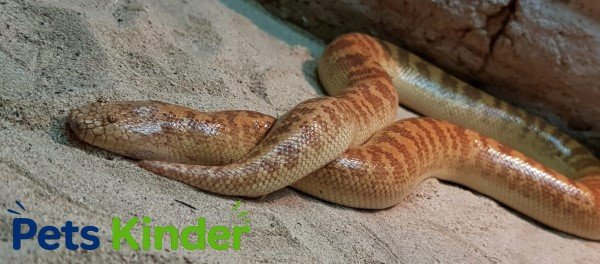
The arabian sand boa (Eryx jayakari) is a non-aggressive, burrowing snake native to the Arabian Peninsula. It belongs to the boa family, although it differs significantly from the large boas commonly found in tropical regions. This species has evolved specifically for life in sandy deserts, where its body shape and behavior allow it to move efficiently beneath the surface.
One of the most striking features of the arabian sand boa is its small eyes positioned on top of its head. This adaptation enables the snake to remain mostly hidden beneath the sand while still observing its surroundings. Additionally, its smooth scales reduce friction, helping it glide effortlessly through loose substrates.
Key Features and Characteristics
The arabian sand boa possesses several distinctive characteristics that set it apart from other snakes. Adults typically reach lengths between 15 and 24 inches, making them relatively small compared to many other boa species. Their coloration usually consists of light brown, tan, or sandy shades with darker markings that provide excellent camouflage in desert environments.
Physical Appearance
The body of the arabian sand boa is thick and cylindrical, with a short tail and blunt head. Its eyes appear unusually positioned, giving the snake a somewhat comical expression that many reptile enthusiasts find appealing. These physical adaptations are essential for survival in harsh desert conditions where concealment is critical.
Natural Behavior
Unlike active hunters that chase prey, the arabian sand boa relies on ambush tactics. It buries itself beneath the sand with only its eyes exposed and waits for unsuspecting prey to pass nearby. Once an opportunity arises, the snake strikes quickly and constricts its prey before swallowing it whole.
Natural Habitat and Distribution
The arabian sand boa is primarily found in Oman, Yemen, Saudi Arabia, and the United Arab Emirates. It inhabits dry deserts, sandy plains, and sparsely vegetated regions where loose substrate allows efficient burrowing. These habitats often experience extreme temperatures, yet the species has adapted remarkably well to such challenging conditions.
During the hottest parts of the day, the snake remains hidden beneath the sand to avoid overheating. As temperatures cool during the evening and night, it becomes more active and begins searching for food. This behavioral pattern helps conserve energy and reduces exposure to predators.
Diet and Nutrition
Proper nutrition is essential for maintaining a healthy arabian sand boa in both wild and captive environments. In nature, these snakes primarily feed on small rodents, lizards, and occasionally small birds. Their ambush hunting strategy allows them to capture prey efficiently without expending excessive energy.
Feeding in Captivity
Pet owners generally feed captive arabian sand boa specimens appropriately sized frozen-thawed mice. Young snakes may require smaller prey items more frequently, while adults can be fed every one to two weeks. Providing prey that matches the snake’s size helps prevent digestive complications and supports healthy growth.
Fresh water should always be available, even though these snakes originate from dry regions. Adequate hydration contributes to successful shedding and overall health.
Baby Arabian Sand Boa: What to Expect
A baby arabian sand boa is especially fascinating due to its miniature size and instinctive burrowing behavior. Hatchlings are typically only a few inches long but already display the same hunting techniques and adaptations as adults. Their coloration may appear more vibrant during early stages of development, gradually becoming more subdued as they mature.
Caring for a baby arabian sand boa requires attention to temperature, humidity, and feeding schedules. Young snakes often prefer smaller prey items and may be slightly more sensitive to environmental fluctuations. Nevertheless, they generally adapt well to captivity when provided with appropriate conditions.
Health, Care, and Common Issues
The arabian sand boa is generally considered a hardy species when maintained properly. However, like all reptiles, it can experience health problems if husbandry requirements are neglected. Creating a suitable enclosure is one of the most important aspects of long-term care.
A proper setup should include deep sandy substrate for burrowing, a temperature gradient, hiding areas, and access to clean water. Maintaining appropriate environmental conditions significantly reduces the risk of illness.
Common Health Concerns
Respiratory infections are among the most common health issues affecting captive snakes. These problems often result from incorrect temperatures or excessive humidity. Additionally, mites can occasionally infest reptiles if hygiene standards are poor.
Digestive issues may occur when prey items are too large or when temperatures are insufficient for proper digestion. Regular observation and prompt veterinary attention can help prevent minor concerns from becoming serious problems.
Is Arabian Sand Boa Venomous?
One of the most common online searches is whether the arabian sand boa venomous. The answer is no. The arabian sand boa is completely non-venomous and poses very little danger to humans. Like other boas, it captures prey through constriction rather than venom.
Its calm temperament and relatively small size make it one of the more approachable snake species for experienced reptile enthusiasts. While any animal may bite if threatened, bites from this species are generally harmless and uncommon when handled responsibly.
Lifespan and Long-Term Considerations
The arabian sand boa can live for an impressive amount of time when provided with proper care. In captivity, individuals commonly reach 15 to 20 years of age, with some potentially living even longer under optimal conditions.
Prospective owners should understand that purchasing any reptile involves a long-term commitment. Consistent feeding, habitat maintenance, and veterinary care are essential throughout the snake’s life. Because of its longevity, potential keepers should carefully evaluate their ability to provide ongoing care before acquiring one.
Arabian Sand Boa Price and Availability
Interest in exotic reptiles has increased significantly in recent years, leading many hobbyists to search for information about arabian sand boa price and availability. Prices vary depending on factors such as age, sex, health, and breeder reputation. Captive-bred specimens generally command higher prices because they are often healthier and easier to acclimate than wild-caught individuals.
When researching arabian sand boa for sale listings, buyers should prioritize reputable breeders who maintain high standards of animal welfare. Purchasing from trustworthy sources helps ensure that the snake has been raised under proper conditions and is free from significant health issues.
A Snake Admired by Wildlife Enthusiasts
Many wildlife advocates and conservation-minded public figures have helped increase awareness of reptiles and their ecological importance. Figures such as Sir David Attenborough have inspired millions to appreciate species that are often misunderstood. Educational efforts highlighting animals like the arabian sand boa contribute to greater respect for biodiversity and the preservation of fragile desert ecosystems around the world.
Conclusion
The arabian sand boa is a remarkable desert-dwelling snake that combines unique adaptations, fascinating behavior, and manageable care requirements. Its specialized burrowing lifestyle, non-venomous nature, and distinctive appearance make it a favorite among reptile enthusiasts. Whether you are interested in a baby arabian sand boa, researching arabian sand boa price, or exploring options for an arabian sand boa for sale, understanding the species is essential for responsible ownership.
With proper care, nutrition, and habitat management, the arabian sand boa can thrive for many years in captivity while continuing to captivate anyone fortunate enough to observe this extraordinary desert predator.