Before You Search for a Royal Python for Sale: Everything You Need to Know First

If you’ve been thinking about bringing a royal python into your home, you’re not alone. These snakes have quietly become one of the most popular reptile pets in the world, and for good reason. They’re manageable in size, genuinely docile once acclimated, and available in a stunning range of color morphs that make every animal feel like a one-of-a-kind find. But before you start browsing every royal python for sale listing you can find, it’s worth slowing down and understanding exactly what you’re committing to. This is a long-lived animal with specific needs, and the more prepared you are going in, the better the experience will be for both you and the snake.
What Is a Royal Python and Why Are They So Popular?
The royal python known as the ball python in North America is a native of West and Central Africa, where it lives in grasslands, savannas, and lightly forested areas. The name “royal” comes from historical accounts of African royalty wearing these snakes as jewelry, a testament to how striking they’ve always been. In the wild, they’re shy, secretive animals that spend much of their time in rodent burrows or hollow logs. That naturally calm temperament is exactly what makes them so well-suited to life as pets.
Physical Characteristics That Make Them Stand Out
Royal pythons are compact, muscular snakes with a distinctly triangular head and heat-sensing pits along their lips that help them detect warm-blooded prey. Adults typically reach between three and five feet in length, with females generally growing larger than males. Their bodies are heavy and solid for their length, which gives them a satisfying heft when they drape across your hand or arm. When threatened, they curl into a tight defensive ball hence the American nickname with their head tucked safely in the center. That behavior is instinctive and not a sign of distress once they’ve settled into a routine.
The Morph Explosion That Changed the Hobby
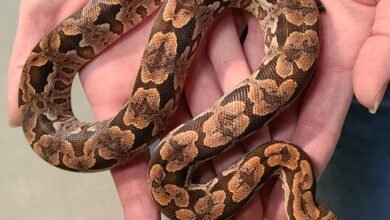
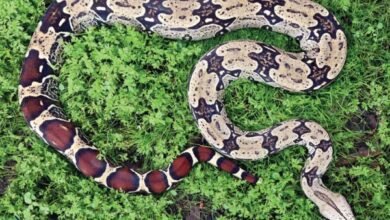
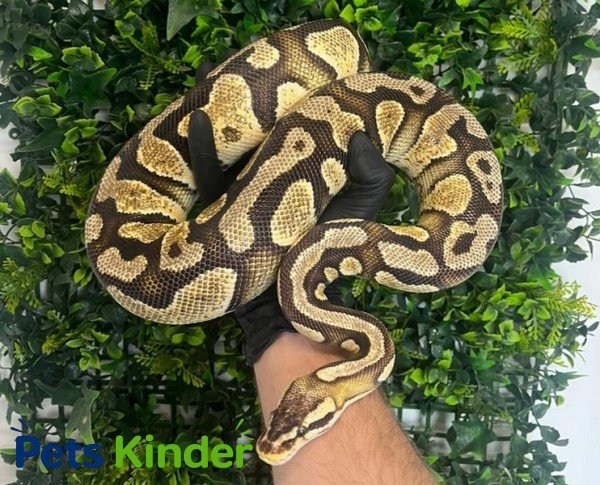
One of the biggest reasons the royal python market has grown so dramatically is the sheer variety of color and pattern morphs now available. Through selective breeding, hobbyists and professional breeders have developed hundreds of distinct genetic variations from the classic wild-type brown and gold pattern to albinos, piebald, clown, banana, spider, and countless designer combinations. This variety means that whether you’re looking for a straightforward starter snake or a rare, eye-catching collector’s animal, you’ll find royal python for sale listings across every price point and aesthetic preference imaginable.
Finding a Royal Python for Sale: What to Look For
Not all sources are equal when it comes to purchasing reptiles. Where and how you buy your royal python will significantly impact the animal’s health and your long-term satisfaction as an owner.
Reputable Breeders vs. Pet Stores
Buying from a reputable private breeder is generally the preferred route for serious keepers. Breeders can provide detailed genetic backgrounds, feeding histories, and health documentation for each animal. They also tend to produce captive-bred animals, which are healthier, better acclimated to captivity, and far less likely to carry parasites or pathogens than wild-caught imports. Many buyers also look into royal python for sale pets at home options through established pet retailers, which can be a reasonable starting point for beginners seeking guidance alongside their purchase. However, always ask whether the animal is captive-bred and confirm it has been feeding consistently on frozen-thawed rodents before committing.
Red Flags to Watch Out For
When evaluating any royal python for sale, look for clear eyes, clean vents, smooth scales without retained shed or mites, and an animal that holds its body in a natural, relaxed posture. Avoid snakes that show labored breathing, mucus around the mouth or nostrils, or excessive lethargy beyond normal resting behavior. A healthy royal python should feel firm and muscular, not limp or bony. Asking to watch the animal feed before purchase is entirely reasonable and any reputable seller will accommodate that request without hesitation.
Diet and Nutrition
Royal pythons are obligate carnivores with straightforward dietary needs in captivity. Juveniles typically eat appropriately sized frozen-thawed mice every five to seven days, while adults transition to small rats on a seven to ten day feeding schedule. The prey item should be roughly the same diameter as the widest part of the snake’s body this sizing guideline prevents feeding complications and ensures complete, comfortable digestion. Always feed frozen-thawed prey rather than live rodents; live prey can injure the snake, and frozen options are safer, more convenient, and widely available. Tong-feeding rather than hand-feeding is also recommended to avoid accidental feeding responses during handling.
Dealing With Feeding Refusals
Royal pythons are notoriously prone to feeding strikes, particularly during cooler months, breeding season, or shedding cycles. This behavior is normal and rarely signals a health problem in an otherwise active, healthy snake. If your royal python refuses food, give it space, check that temperatures and humidity are within the correct ranges, and try again in a week. Persistent refusals lasting more than a month in a juvenile warrant a veterinary consultation to rule out underlying issues.
Housing, Care, and Environment
Enclosure Requirements
Adult royal pythons require an enclosure of at least four feet long by two feet wide by two feet tall though larger is always better. Bioactive setups with naturalistic substrates like coconut fiber, topsoil, or cypress mulch work beautifully for this species and help maintain the higher humidity levels they need. Royal pythons require ambient temperatures of 80 to 85°F on the warm side and a basking spot of around 88 to 92°F, with a cool side of 75 to 80°F. Nighttime temperatures can drop slightly but shouldn’t fall below 72°F. Humidity should stay between 60 and 80 percent, increasing to near 80 percent during shedding periods to support clean, complete sheds.
Hides, Enrichment, and Handling
Providing at least two hides one on the warm side and one on the cool side is non-negotiable. Royal pythons are burrowers by nature and feel most secure when they can fully conceal themselves. Without appropriate hides, they become chronically stressed, which suppresses their immune system and appetite. Beyond hides, adding climbing branches and cork bark enriches their environment and encourages natural movement. For handling, wait at least 48 hours after feeding and keep early sessions short, building duration gradually as the animal gains confidence.
Health, Common Issues, and Lifespan
Common Health Concerns
Respiratory infections are among the most frequently seen health issues in royal pythons and typically result from temperatures that are too low or humidity that’s too high. Symptoms include wheezing, open-mouth breathing, or mucus around the nostrils. Scale rot, a bacterial skin condition, develops when substrate stays excessively wet. Mites are another concern, particularly in animals sourced from large-scale importers or poorly managed facilities. Dysecdysis incomplete or problematic shedding usually signals a humidity problem rather than a disease, and soaking the snake briefly in lukewarm water can resolve retained shed safely.
Lifespan and Long-Term Commitment
This is where many first-time buyers underestimate what they’re taking on. Royal pythons routinely live 20 to 30 years in captivity, with some individuals exceeding that range under excellent care. That lifespan demands serious long-term planning. Veterinary care from a reptile-experienced herpetological vet should be part of your annual routine, not just an emergency resource. Finding a qualified reptile vet before you bring your animal home is a step that experienced keepers strongly recommend.
A Notable Voice in Reptile Keeping
Bryan Barczyk, one of the most recognized figures in the reptile hobby and founder of The Reptarium in Michigan, has spent decades advocating for responsible reptile ownership and captive breeding. His work has helped shift public perception of snakes from feared to fascinating, and his emphasis on proper husbandry, ethical sourcing, and captive-bred animals mirrors the standards every prospective royal python owner should hold themselves to.
Final Thoughts
Finding a royal python for sale is genuinely the easy part. What comes after building the right enclosure, establishing feeding routines, learning to read your animal’s behavior, and committing to decades of care is where the real work begins. The good news is that royal pythons reward that investment generously. They’re quiet, low-maintenance compared to many pets, and endlessly fascinating to keep. Go in informed, source responsibly, and you’ll have a remarkable animal companion for a very long time.