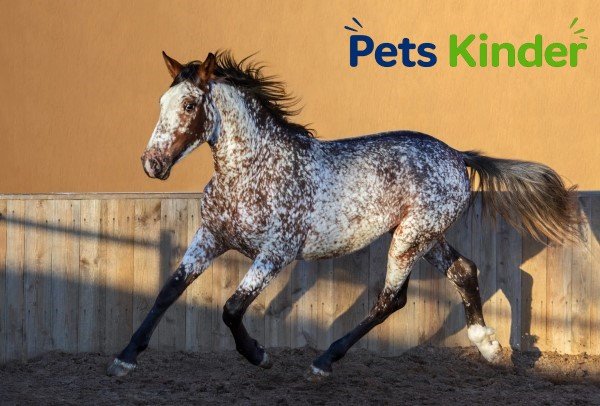
Few horses in the world turn heads quite like the Appaloosa. With its striking coat, deep cultural roots, and versatile personality, this breed has earned a devoted following among riders, ranchers, and horse enthusiasts for centuries. Whether you’re a seasoned equestrian or someone just beginning to explore the world of horses, the Appaloosa offers something truly special a living piece of American history wrapped in one of nature’s most breathtaking color palettes.
A Breed Born From History and Heritage
The Nez Perce Legacy
The Appaloosa horse’s story begins with the Nez Perce people of the Pacific Northwest, a tribe that lived along the Palouse River in what is now Idaho, Oregon, and Washington. For generations, the Nez Perce practiced selective breeding with remarkable sophistication, producing horses prized not only for their beauty but also for their stamina, intelligence, and loyalty. The name “Appaloosa” itself is believed to derive from the Palouse River region, evolving over time from “a Palouse horse” into the name we use today.
When the U.S. Army forcibly displaced the Nez Perce in 1877, the breed nearly vanished. Fortunately, dedicated breeders worked throughout the early 20th century to revive it. The Appaloosa Horse Club was founded in 1938, and today it remains one of the largest breed registries in the United States, with hundreds of thousands of horses registered worldwide.
Recognition and Modern Popularity
Today, the Appaloosa stands as Idaho’s official state horse a nod to its deep historical ties to the region. The breed enjoys wide popularity in Western disciplines, trail riding, ranch work, and even English riding events. Its adaptability and good nature make it a favorite for both competitive riders and casual trail enthusiasts alike.
Appaloosa Horse Colors: A Coat Like No Other
The Science Behind the Spots
One of the most defining features of the Appaloosa horse is, without a doubt, its coat. Appaloosa horse colors are produced by a genetic mechanism called the Leopard Complex (LP gene), which interacts with other base coat colors to create the breed’s legendary spotted patterns. This gene doesn’t just affect the coat it also influences the horse’s skin, eyes, and hooves in ways you won’t find in most other breeds.
Appaloosas typically display mottled skin around the muzzle, lips, and genitalia. Their eyes often have a visible white sclera the area surrounding the iris which gives them a distinctly human-like gaze. Their hooves are frequently striped vertically in alternating dark and light bands, another hallmark of the breed’s unique genetics.
Common Base Colors
Appaloosa horse colors can appear over a wide range of base coats, including bay, chestnut, black, palomino, buckskin, dun, and gray. The spotted patterns then layer over these base colors, which is why two Appaloosas can look completely different from one another yet still share the same genetic markers. This variety makes each horse genuinely one of a kind.
Appaloosa Horse Patterns: Spotting the Differences
The Six Major Pattern Types
When people talk about Appaloosa horse patterns, they’re referring to the specific distribution of spots and roaning across the coat. The Appaloosa Horse Club officially recognizes several distinct patterns, and understanding them helps explain why this breed looks so dramatically varied.
Leopard
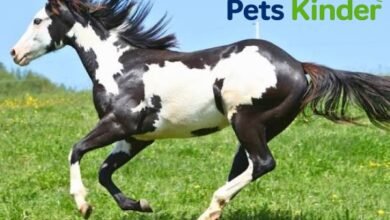
The leopard pattern features dark spots scattered across a white or light base coat covering the entire body. It’s one of the most iconic and recognizable Appaloosa looks bold, striking, and impossible to miss.
Blanket
A blanket Appaloosa has a solid white patch over the hindquarters, with or without spots within that white area. When spots appear inside the blanket, it’s called a “spotted blanket.” This pattern is extremely common and particularly eye-catching in motion.
Snowflake
Snowflake patterns display white spots or flecks on a dark base coat, often concentrated over the hindquarters. Interestingly, this pattern can become more pronounced as the horse ages, sometimes deepening and spreading over time.
Frost
The frost pattern presents as white flecking or speckling on a dark base coat, giving the horse a slightly washed-out, frosted appearance. It’s subtler than the leopard or blanket but still distinctly Appaloosa in character.
Marble
Marble Appaloosas show a roaned, mottled coat with a mix of light and dark hairs distributed across the body in irregular patterns. The effect resembles the swirling veins of polished stone, hence the name.
Few Spot Leopard
As the name suggests, this pattern features a largely white coat with only a few small spots remaining, typically near the flanks or rump. It results from a homozygous expression of the LP gene and is associated with Congenital Stationary Night Blindness (CSBN), a condition discussed later.
Physical Characteristics of the Appaloosa
Build, Size, and Structure
The Appaloosa is a medium-sized horse, typically standing between 14.2 and 16 hands tall and weighing between 950 and 1,200 pounds. It carries a muscular, compact body that reflects its working horse heritage sturdy enough for ranch tasks, athletic enough for competition. The head is refined but not delicate, with a straight profile and intelligent, expressive eyes. The neck is well-arched and leads into strong, sloping shoulders that allow for a smooth, comfortable stride.
Appaloosas are built for endurance. Their legs are clean and hard-boned, their hooves dense and tough. These physical traits made them invaluable to the Nez Perce, who needed horses capable of covering rugged terrain across the Pacific Northwest for days at a time.
Temperament and Personality
Beyond their looks, Appaloosas are known for being willing, curious, and highly intelligent. They tend to form strong bonds with their owners and respond well to consistent, patient training. Some Appaloosas can be stubborn or independent a trait often described as “opinionated” but most experienced handlers view this as a sign of intelligence rather than a flaw. With the right approach, an Appaloosa becomes a deeply loyal and hardworking partner.
Appaloosa Horse Lifespan and Long-Term Considerations
How Long Do Appaloosas Live?
The Appaloosa horse lifespan typically ranges from 25 to 30 years, which aligns with the average for most light horse breeds. With excellent care, proper nutrition, and routine veterinary attention, some Appaloosas have lived well into their early thirties. Their relatively long lifespan means that adopting or purchasing an Appaloosa is a serious, long-term commitment one that requires thoughtful planning around care costs, facility needs, and the horse’s changing requirements as it ages.
Aging Gracefully
As Appaloosas grow older, their spotted coats can change significantly. Some horses develop more roaning or lighter patches over time, and patterns that appeared bold in youth may soften with age. Senior Appaloosas need particular attention to dental health, joint support, and nutrition, since older horses can struggle to maintain weight or absorb nutrients as efficiently as younger animals.
Diet, Nutrition, and Feeding
Core Nutritional Needs
Like all horses, the Appaloosa thrives on a foundation of high-quality forage. Grass hay or mixed hay should make up the bulk of their daily diet, with free access to clean, fresh water at all times. On average, a healthy adult Appaloosa needs roughly 1.5 to 2 percent of its body weight in forage daily, meaning a 1,000-pound horse requires about 15 to 20 pounds of hay per day.
Grain and concentrates should only be added when the horse’s energy demands exceed what forage alone can supply such as during heavy training, pregnancy, or lactation. Overfeeding grain to a horse in light work can lead to obesity, laminitis, and metabolic issues. Salt and mineral blocks should always be available, and many owners supplement with electrolytes, especially in warmer climates or during periods of intense exercise.
Health, Care, and Common Issues
Routine Care Essentials
Appaloosas require the same basic care as other horses: regular hoof trimming or shoeing every six to eight weeks, annual dental floating, routine deworming, and core vaccinations including tetanus, West Nile virus, and rabies. Grooming not only keeps the coat clean and healthy but also builds trust between horse and handler. Because of the Appaloosa’s unique skin pigmentation, owners should apply sunscreen to pink-skinned areas, particularly around the muzzle, to prevent sunburn and UV damage.
Congenital Stationary Night Blindness (CSNB)
One of the most important health concerns specific to Appaloosas is Congenital Stationary Night Blindness, a genetic condition linked to the LP gene. Horses that carry two copies of the LP gene (homozygous) are at high risk for CSNB, which causes impaired vision in low-light conditions. Affected horses may appear startled or reluctant to move in dim environments. There is no treatment, but affected horses can often be managed successfully with good environmental accommodations and patient handling.
Equine Recurrent Uveitis (ERU)
Appaloosas are also significantly more prone to Equine Recurrent Uveitis sometimes called “moon blindness” than most other breeds. This inflammatory eye condition causes recurring episodes of painful eye inflammation that can eventually lead to blindness if left untreated. Regular veterinary eye exams are strongly recommended for all Appaloosas, and any signs of cloudiness, squinting, tearing, or sensitivity to light should be addressed by a vet promptly.
General Health Resilience
Outside of these breed-specific concerns, Appaloosas are generally hardy, healthy horses. Their tough hooves, strong immune systems, and efficient metabolisms make them relatively easy keepers compared to some more refined breeds.
A Famous Champion: The Appaloosa in the Spotlight
Among the many prominent figures who have celebrated this breed, former U.S. President Ronald Reagan was a well-known Appaloosa enthusiast. Reagan, who spent much of his leisure time on his Rancho del Cielo property in California, kept and rode Appaloosas throughout his adult life. His love for these horses reflected the breed’s deep connection to American Western heritage and its enduring appeal to people who value authenticity, toughness, and natural beauty.
Why the Appaloosa Belongs in a Class of Its Own
The Appaloosa horse is far more than a pretty face. It’s a breed with centuries of history, a genetic profile unlike any other, and a personality that rewards patient, dedicated owners. From the vivid variety of Appaloosa horse colors to the fascinating complexity of Appaloosa horse patterns, and from a respectable Appaloosa horse lifespan of up to 30 years to its roles in culture, competition, and daily ranch life this breed delivers on every level.
If you’re considering adding an Appaloosa to your life, you’re not just getting a horse. You’re getting a legacy.