If you’ve never considered raising a coturnix quail, you might be seriously missing out. These compact, fast-maturing little birds have quietly become one of the most practical and rewarding animals a backyard farmer, homesteader, or small-scale producer can keep. They don’t demand much space, they start laying eggs remarkably early, and they bring a surprising amount of personality into any setup. Whether you’re drawn to them for their quail eggs, their meat, or simply the joy of keeping a unique quail bird, the coturnix quail has something genuinely impressive to offer at every level.
What Exactly Is a Coturnix Quail?
The coturnix quail, scientifically known as Coturnix coturnix japonica, is also commonly called the Japanese quail. It originated in East Asia and has been domesticated for over a thousand years, making it one of the oldest domesticated birds in human history. Unlike wild quail species that remain elusive and difficult to manage, the coturnix has adapted exceptionally well to captivity. Today, it’s raised across six continents for egg production, meat, scientific research, and even as a companion bird. Its global reach speaks volumes about just how versatile and dependable this small quail bird truly is.
Physical Characteristics and Appearance
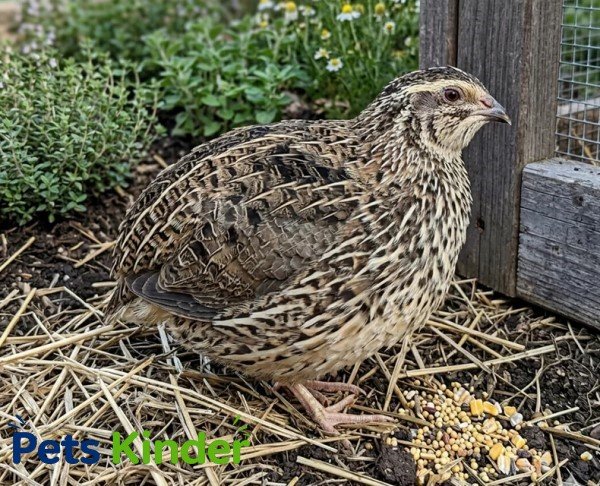
Coturnix quail are small, ground-dwelling birds that typically weigh between 3.5 and 5 ounces at maturity. They have a compact, rounded body shape, short tails, and relatively strong legs built for scratching and foraging. Their plumage varies depending on the variety wild-type coturnix display a warm brown, streaked pattern that provides excellent natural camouflage, while selectively bred varieties like the Tuxedo, Tibetan, and Jumbo Coturnix display bolder, more striking color patterns. Males often show a rusty-brown chest, while females tend toward a speckled, cream-colored breast that makes sex identification fairly straightforward once you know what to look for.
How Fast Do They Actually Grow?
One of the most remarkable things about the coturnix quail is its growth rate. These birds reach full sexual maturity in just six to eight weeks faster than almost any other poultry species. By comparison, a backyard chicken typically takes five to six months before laying its first egg. This rapid development makes the coturnix an incredibly efficient choice for anyone interested in quail egg production on a meaningful scale. Furthermore, coturnix hens lay consistently, often producing one egg per day under good lighting conditions, which adds up to an impressive 250 to 300 quail eggs annually per bird.
Quail Eggs: Small Size, Enormous Nutritional Value
Quail eggs have earned genuine admiration in kitchens, health communities, and gourmet food circles around the world. They’re noticeably smaller than chicken eggs roughly one-fifth the size but what they lack in volume they more than compensate for in nutritional density. Quail eggs contain higher concentrations of vitamins B1 and B2, iron, and essential amino acids relative to their size compared to standard chicken eggs. They also carry more yolk proportionally, which gives them a richer flavor and a creamier texture that chefs genuinely prize.
Quail Eggs and Health Benefits Worth Knowing
The connection between quail eggs and human health has been studied across multiple cultures for centuries. In traditional Japanese and Chinese medicine, quail eggs and their associated nutrients were long believed to support respiratory health, boost energy, and strengthen the immune system. Modern nutritional analysis has confirmed that quail eggs deliver a meaningful amount of choline, selenium, and riboflavin in a small, calorie-efficient package. Additionally, some research suggests that quail eggs and their unique protein composition may be better tolerated by individuals with certain egg sensitivities, though anyone with known egg allergies should always consult a medical professional before making dietary changes.
Caring for Coturnix Quail: What They Need to Thrive
Caring for coturnix quail is genuinely manageable, even for beginners. They don’t need elaborate housing, they’re quieter than chickens, and they adapt well to both cage setups and small aviary environments. However, getting their basic care right makes a significant difference in their health, productivity, and lifespan.
Housing and Space Requirements
Coturnix quail don’t need much space, but they do need enough room to move comfortably without stress. A general rule of thumb is one square foot of floor space per bird in a wire cage setup, though more space always improves welfare outcomes. Wire-floored cages work well for sanitation purposes, but many keepers add small sections of solid flooring or provide dust-bathing areas to support natural behaviors. Importantly, coturnix quail are strong fliers for short bursts, so always cover the top of any enclosure securely. A startled quail can fly straight up with surprising force, which can cause head injuries if the ceiling isn’t properly padded or low enough.
Diet and Nutrition for Peak Performance
Feeding coturnix quail correctly is one of the most important factors in keeping them healthy and productive. They thrive on a high-protein game bird crumble or starter feed containing at least 24 to 28 percent protein. This protein level supports rapid growth, consistent egg laying, and strong feather development. In addition to their base feed, coturnix quail benefit from access to crushed oyster shell for calcium supplementation, which directly supports eggshell quality. Fresh water must always be available even short periods of dehydration can noticeably reduce egg production and overall vitality. Occasional treats like mealworms, leafy greens, and small seeds add nutritional variety and keep birds engaged and stimulated.
Baby Quail: Raising Chicks From Day One
Raising baby quail is one of the most exciting parts of keeping coturnix. These tiny chicks hatch after just 17 to 18 days of incubation significantly faster than chicken eggs, which take 21 days. Freshly hatched baby quail are absurdly small, roughly the size of a bumblebee, and they hit the ground running almost immediately. Within hours of hatching, baby quail are already pecking at feed and exploring their brooder space. They need a brooder temperature of around 95 to 100 degrees Fahrenheit in the first week, dropping by about five degrees each week as they feather out. By week three, most baby quail are fully feathered and transitioning smoothly toward adult life.
Health, Common Diseases, and Lifespan
Coturnix quail are generally hardy birds, but like any livestock, they face specific health challenges that every keeper should understand. Ulcerative enteritis, sometimes called quail disease, is one of the most common bacterial infections affecting coturnix and can spread quickly through a flock if sanitation is neglected. Coccidiosis, a parasitic intestinal condition, also poses a real risk, particularly in overcrowded or damp environments. Respiratory infections can emerge when ventilation is poor or temperature fluctuations are extreme. Fortunately, most of these issues are preventable through clean housing, proper nutrition, and routine monitoring of flock behavior and droppings.
Lifespan and Long-Term Keeping Considerations
The average coturnix quail lives two to four years, with peak egg production typically occurring in the first year. After the first year, laying frequency gradually declines, which leads many commercial producers to cycle flocks annually. Hobbyists and small-scale keepers, however, often maintain birds well beyond their peak productive years simply because of the enjoyment these birds provide. Planning for long-term flock management means thinking about space, biosecurity, and maintaining a sustainable breeding program to keep genetic diversity strong.
A Celebrity Connection to Quail
Celebrity chef and food activist Jamie Oliver has prominently featured quail eggs and quail-based dishes across his cookbooks and television programs for years, helping introduce a broader mainstream audience to the flavor and versatility of this remarkable little bird. His enthusiastic promotion of quail eggs as a gourmet ingredient accessible to home cooks has sparked genuine curiosity about where these eggs come from and increasingly, that curiosity leads people straight to the coturnix quail.
Why the Coturnix Quail Belongs on Your Radar
The coturnix quail punches far above its weight class. In a small footprint, with modest feed costs and minimal noise, this extraordinary quail bird delivers fresh eggs, lean meat, and a genuinely rewarding keeping experience. Whether you’re a seasoned homesteader or someone just starting to explore small-scale food production, the coturnix quail deserves a serious look. Few animals offer this much value, this quickly, in this little space and that’s a combination that’s genuinely hard to beat.