How Long Do Leopard Geckos Really Live? The Truth About Leopard Gecko Lifespan Every Owner Should Know

Walk into any pet store that carries reptiles, and you’ll almost certainly find a leopard gecko tucked into a small enclosure, blinking slowly under a heat lamp. They’re compact, quiet, and frankly undeniably cute. That cute leopard gecko staring back at you from behind the glass isn’t just a low-maintenance starter pet. It’s a living commitment that, under the right care, could share your home for two decades or more. Most people have absolutely no idea about that when they first bring one home.
Leopard gecko lifespan is one of the most underestimated aspects of owning this reptile. Understanding what drives longevity and what cuts it short isn’t just interesting trivia. It’s essential knowledge for anyone serious about giving these animals the life they deserve.
Leopard Gecko Lifespan: What the Numbers Actually Tell You
In the wild, leopard geckos live in the arid, rocky grasslands of Afghanistan, Pakistan, northwestern India, and Iran. Out there, survival is the daily agenda, and most wild leopard geckos don’t make it past 3 to 5 years. Predators, food scarcity, disease, and harsh environmental conditions all take their toll quickly.
In captivity, the picture shifts dramatically. A well-cared-for leopard gecko typically lives between 15 and 20 years. Males, interestingly, tend to outlive females largely because the physical demands of egg production wear on female bodies over time, even in captivity. Some exceptionally well-kept males have reportedly surpassed 20 years, with a few rare documented cases approaching 28 years. That’s not the average, but it illustrates the ceiling that good husbandry can help you reach.
The bottom line is straightforward: leopard gecko lifespan in captivity is directly tied to the quality of care they receive. Diet, enclosure setup, temperature regulation, stress levels, and veterinary attention all play measurable roles in how many years your gecko thrives.
Key Characteristics: Getting to Know the Leopard Gecko
Physical Features and Natural Beauty
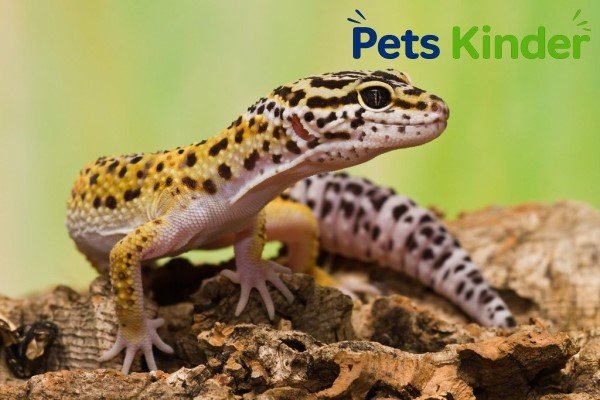
The leopard gecko (Eublepharis macularius) is a ground-dwelling lizard, and everything about its body reflects that lifestyle. Adults typically reach 7 to 10 inches in length, with males being noticeably larger and heavier than females. The body is covered in bumpy, textured skin that ranges from pale yellow to rich orange, overlaid with dark spots the pattern that gives this species its name.
One of the most charming features of the cute leopard gecko is its eyes. Unlike most geckos, leopard geckos have moveable eyelids a rarity in the gecko family. Those large, expressive eyes give them a surprisingly alert, almost thoughtful appearance. Combined with that perpetual slight upturn at the corners of the mouth, often called the “leopard gecko smile,” it’s easy to see why so many reptile enthusiasts become completely devoted to this species.
The tail serves as a fat reserve, storing energy that the gecko draws on during periods of stress or food scarcity. A thick, plump tail is generally a sign of good health. Conversely, a thin or shriveled tail signals nutritional deficiency or illness that needs prompt attention.
Temperament and Handleability
Leopard geckos are widely regarded as one of the most handleable reptiles available to hobbyists. They’re docile, slow-moving, and rarely bite when properly socialized from a young age. Most individuals tolerate regular, gentle handling quite well, though like any animal, they have limits. Sessions of 10 to 15 minutes are typically appropriate, and reading the gecko’s body language a wagging tail signals stress or agitation helps prevent unnecessary anxiety for the animal.
Baby Leopard Gecko: Starting Life on the Right Foot
A baby leopard gecko hatches at roughly 3 to 4 inches long and weighs only a few grams. Despite their tiny size, they’re surprisingly independent almost immediately after hatching. Within the first few days, they shed their skin for the first time and begin feeding a milestone that signals they’re ready to take on the world.
That said, baby leopard geckos are more fragile than adults in several important ways. Temperature regulation, humidity, feeding frequency, and stress management all carry greater urgency during the first few months of life. Juveniles need to eat more frequently than adults daily feeding is standard for the first year because they’re actively growing and building the fat reserves that support long-term health. Skipping feedings or providing inadequate nutrition during this growth phase can have lasting negative effects on both size and overall Leopard Gecko lifespan.
Housing a baby leopard gecko in an appropriately sized enclosure not too large, which can overwhelm small juveniles and make feeding difficult sets the foundation for a healthy adult life.
Leopard Gecko Tank: Building the Right Home
Enclosure Size and Setup
The leopard gecko tank is one of the most important investments you’ll make as an owner, and getting it right from the start matters enormously. For a single adult, a 20-gallon tank is the widely accepted minimum, though many experienced keepers prefer 40-gallon setups to allow for more enrichment and natural movement. Larger enclosures are almost always better, as long as temperature gradients are maintained properly.
Leopard geckos are terrestrial, so floor space matters far more than height. A long, low enclosure serves them better than a tall one. The substrate you choose also carries real health implications loose particle substrates like sand or walnut shell carry an ingestion and impaction risk, particularly for juveniles. Reptile carpet, paper towels, ceramic tile, or bioactive setups with appropriate soil mixes are all safer, widely used alternatives.
Temperature and Lighting Requirements
As ectotherms, leopard geckos depend entirely on their environment to regulate body temperature. The tank should have a warm side maintained at 88 to 92°F and a cool side around 73 to 78°F. An under-tank heater connected to a thermostat provides reliable belly heat, which is essential for digestion. Overhead ceramic heat emitters can supplement ambient temperatures in cooler climates.
Contrary to popular myth, leopard geckos do benefit from low-level UVB lighting, even though they’re crepuscular and naturally avoid intense sunlight. Recent research consistently shows that UVB exposure supports vitamin D3 synthesis and contributes positively to long-term health and Leopard Gecko lifespan. A low-output UVB bulb on a 10-to-12-hour cycle is increasingly considered a best practice among serious keepers.
Hides are non-negotiable. Every leopard gecko needs at least three hides: one on the warm side, one on the cool side, and one moist hide typically kept humid with damp sphagnum moss to support healthy shedding.
Leopard Gecko Diet and Food: Fueling a Long, Healthy Life
What Leopard Geckos Eat
Leopard gecko diet is entirely insectivorous. These animals eat live insects and only live insects. They don’t eat vegetables, fruits, or commercial dry pellets. Full stop. The core of a healthy leopard gecko food rotation should include gut-loaded crickets and dubia roaches as dietary staples, with mealworms offered more sparingly due to their higher fat content. Superworms, waxworms, and hornworms make excellent occasional treats but should never become dietary staples, as their fat and sugar content can lead to obesity and fatty liver disease over time.
The term “gut-loading” refers to feeding the insects nutritious foods leafy greens, squash, commercial gut-load products for 24 to 48 hours before offering them to your gecko. This practice directly transfers nutritional value from the insect’s gut into the gecko, significantly improving the nutritional quality of each feeding.
Supplementation: The Non-Negotiable Part
Even the best leopard gecko diet requires supplementation to prevent deficiencies. Every insect offered should be dusted with calcium powder, and a vitamin D3 supplement should be used several times per week unless the gecko has consistent UVB exposure. A multivitamin supplement rounds out the rotation once or twice weekly. Metabolic bone disease caused by calcium and vitamin D3 deficiency is one of the most common and preventable conditions in captive leopard geckos, and consistent supplementation is your primary defense against it.
Health, Care, and Common Diseases
Metabolic Bone Disease (MBD)
As mentioned, MBD ranks among the most frequently seen health problems in captive leopard geckos. Symptoms include rubbery or deformed limbs, difficulty walking, tremors, and a visibly soft jaw. Early-stage MBD can often be reversed with corrected supplementation and UVB exposure, but advanced cases cause permanent damage. Prevention through consistent calcium and D3 supplementation is far simpler than treatment.
Cryptosporidiosis
Crypto, caused by the parasite Cryptosporidium varanii, is one of the most feared diagnoses in the reptile hobby. It causes chronic weight loss, regurgitation, and a characteristic “stick tail” appearance as the gecko wastes away despite eating. There is currently no reliable cure, and affected animals typically decline over months to years. Strict quarantine of all new animals before introducing them to an established collection is the best prevention strategy.
Dysecdysis (Retained Shed)
Incomplete shedding called dysecdysis happens when humidity is insufficient or the gecko is unwell. Retained shed around the toes is especially dangerous because it constricts circulation and can lead to toe loss. A properly maintained moist hide significantly reduces shedding problems. If retained shed appears, soaking the affected area in warm water and gently removing the skin with a damp cotton swab usually resolves mild cases.
Impaction
Substrate ingestion leading to intestinal blockage is a real and potentially fatal risk, especially for juveniles. Loose particle substrates are the primary culprit. Using solid, non-particle substrates eliminates this risk almost entirely.
Lifespan and Long-Term Considerations
Returning to the central question leopard gecko lifespan the data is clear and the message is consistent. Geckos that receive proper nutrition, appropriate temperatures, stress-free housing, regular veterinary checkups, and attentive daily observation routinely reach 15 years and beyond. Those that don’t may struggle past 5 or 8 years, often dealing with preventable health conditions along the way.
Annual wellness exams with a reptile-experienced veterinarian are strongly recommended, even when your gecko appears healthy. Many reptile conditions progress silently before visible symptoms appear, and early detection makes an enormous difference in outcomes. Fecal parasite screenings are particularly valuable given how common internal parasites are in captive reptile collections.
As your gecko ages past 10 years, monitoring body weight, tail thickness, and feeding response becomes even more important. Senior geckos may need dietary adjustments, reduced feeding frequency, or modified supplementation schedules based on their individual condition. The investment of attention pays off a leopard gecko that reaches its late teens is a genuine testament to the quality of care it has received throughout its life.
Final Thoughts
The leopard gecko earns its reputation as one of the best reptile pets available manageable, personable, visually stunning, and genuinely rewarding to keep. But that cute leopard gecko in the pet store window is also a 15-to-20-year commitment, and the decisions you make about its tank, diet, and healthcare starting from day one will shape every year of its life. Get those fundamentals right, and you won’t just own a pet. You’ll build a relationship with one of nature’s more remarkable little creatures one that might just outlast your expectations by a decade or more.