Stygian Owl: The Mysterious Night Hunter With Eyes Like Embers
Exploring the Size, Behavior, Mythology, and Wild Beauty of One of the World's Most Elusive Owls

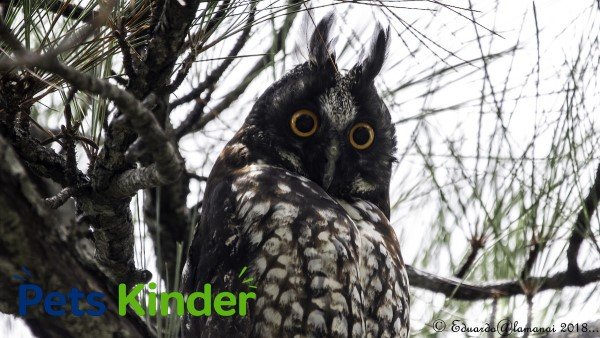
Few birds carry an air of mystery quite like the Stygian owl. With its dark, almost charcoal plumage and piercing orange-red eyes, this nocturnal predator looks like something pulled straight out of folklore. Found across parts of the Americas, the Stygian owl has fascinated birdwatchers, researchers, and storytellers alike for generations. This article explores everything that makes the Stygian owl so captivating, from its physical traits to its place in cultural mythology.
What Is a Stygian Owl?
The Stygian owl, scientifically classified as Asio stygius, is a medium to large owl species found throughout Central America, South America, and parts of the Caribbean. Its name comes from the River Styx in Greek mythology, a fitting reference given the bird’s dark coloring and shadowy nighttime presence. Unlike more commonly recognized owls, the Stygian owl remains relatively elusive, making sightings a special experience for dedicated bird enthusiasts.
This species is known for blending almost seamlessly into dense forest canopies, where it spends most of its life hidden among tree branches. Because Stygian owls are so secretive, much of what researchers know about their behavior comes from limited field observations. Still, ongoing studies continue to reveal new details about how this striking bird survives and thrives across such a wide geographic range.
Key Features and Physical Characteristics
Stygian Owl Size
When people first learn about Stygian owl size, they’re often surprised by how substantial this bird actually is. Adults typically measure between 14 and 17 inches in length, with a wingspan that can stretch over 3 feet. This makes the Stygian owl noticeably larger than many other owl species found within its range, giving it a commanding presence whenever it takes flight through the forest canopy.
Beyond their impressive wingspan, Stygian owls have a distinctly dark, almost blackish-brown plumage covered in subtle mottled patterns. Their prominent ear tufts give them a sharp, alert appearance, while their compact, rounded facial disc helps channel sound directly toward their ears. This physical structure plays a major role in their hunting success, especially during low-light conditions deep within forested habitats.
Stygian Owl Red Eyes
Perhaps the most striking feature of this species is its piercing gaze. Stygian owl red eyes glow with an intense orange-red hue that seems almost otherworldly against its dark feathers. This eye color isn’t just for show; it plays a functional role in low-light vision, helping the owl detect movement in near-total darkness while remaining nearly invisible to potential prey lurking below.
Many wildlife photographers consider capturing those vivid red eyes one of the most rewarding aspects of spotting a Stygian owl in the wild. Because the species is so elusive, photographs showcasing this dramatic eye color have become especially prized among birding communities, further fueling the owl’s reputation as one of the most visually striking nocturnal raptors in the Americas.
Behavior and Activity Patterns
Stygian Owl at Night
True to its name, the Stygian owl at night becomes an entirely different creature compared to its daytime stillness. As darkness falls, this owl transforms into an active, highly skilled hunter, using its exceptional hearing and vision to track down prey. Its silent flight, made possible by specialized feather structures, allows it to glide through the forest without alerting potential targets to its approach.
During nighttime hours, the Stygian owl primarily hunts small mammals, birds, and occasionally large insects. Its calls, often described as deep, throaty hoots, echo through forested areas and serve both territorial and communication purposes. Because the species is so rarely seen during daylight, much of what’s known about Stygian owl behavior comes specifically from observing its nighttime activity patterns.
Diet and Nutrition
In the wild, the Stygian owl maintains a varied diet that helps support its size and energy needs. Small rodents make up a significant portion of its meals, though birds, bats, and large insects are also commonly consumed. This flexible diet allows the species to adapt to different forest environments, ensuring a steady food supply even as habitat conditions shift throughout the year.
Because Stygian owls are wild raptors, replicating their natural diet in captivity requires specialized knowledge and proper permits. Facilities that legally house these birds, such as wildlife rehabilitation centers, carefully balance nutrition to mirror what the owl would naturally consume. Proper dietary management remains essential for maintaining healthy weight, feather condition, and overall vitality in any captive setting.
Health, Care, and Common Issues
Considering a Stygian Owl Pet
Many people search online wondering whether a Stygian owl pet is a realistic possibility, but the reality is more complicated than it might seem. In most countries, including the United States, owning a Stygian owl as a personal pet is illegal without specific wildlife permits, since the species is protected under various conservation regulations. Most legal interactions with these birds occur through licensed rehabilitation centers or accredited educational facilities.
For those facilities that do legally care for Stygian owls, health monitoring is critical. Like many raptors, this species can be vulnerable to parasites, respiratory infections, and injuries related to wing or talon damage. Routine veterinary checkups, proper enclosure sizing, and enrichment activities all play a role in keeping captive Stygian owls physically and mentally healthy throughout their care.
Stygian Owl Mythology and Cultural Significance
The connection between Stygian owl mythology and ancient folklore runs deep, largely thanks to the species’ striking appearance and nocturnal nature. Named after the mythical River Styx, which separated the world of the living from the underworld in Greek mythology, this owl has long been associated with mystery, death, and the unknown. Indigenous cultures throughout Central and South America have also woven owls into various spiritual traditions and folklore.
Interestingly, renowned naturalist Sir David Attenborough has spoken extensively about the symbolic power owls hold across countless cultures, often highlighting how their nocturnal habits and haunting calls have shaped human storytelling for centuries. His documentaries have introduced global audiences to lesser-known species, helping spark broader interest in birds like the Stygian owl that might otherwise remain unfamiliar to casual nature lovers.
Lifespan and Long-Term Considerations
In the wild, Stygian owls typically live between 10 and 15 years, though lifespan can vary depending on habitat quality, predation risk, and food availability. In carefully managed captive environments, such as accredited rehabilitation centers, lifespans can sometimes extend slightly longer thanks to consistent nutrition and reduced environmental threats compared to the unpredictable nature of life in the wild.
Conservation efforts remain important for protecting Stygian owl populations, particularly as deforestation continues to threaten their natural habitats throughout Central and South America. Supporting habitat preservation initiatives and respecting wildlife protection laws helps ensure that future generations will still have the chance to encounter this remarkable species in its natural environment.
Final Thoughts
The Stygian owl stands out as one of the most visually striking and mysterious raptors found throughout the Americas. From its glowing red eyes to its deep cultural ties woven into mythology, this species captures the imagination of birdwatchers and storytellers alike. While owning a Stygian owl as a personal pet isn’t a legal or practical option for most people, appreciating this bird through responsible birdwatching and conservation support offers a meaningful way to connect with one of nature’s most enigmatic night hunters.