Exploring the Incredible Diversity Behind One of Nature’s Most Beloved Pet Species
Few pets spark as much curiosity and devotion as parrots, and once you start exploring the different types of parrots out there, it’s easy to understand why. From tiny, energetic budgies to massive, vibrant macaws, this bird family offers something for nearly every personality and lifestyle. Whether you’re a first-time owner or a longtime enthusiast, understanding these birds deepens your appreciation considerably.
How Many Types of Parrots Are There?
People often ask how many types of parrots are there, and the answer might surprise you. Scientists currently recognize roughly 350 to 400 distinct species worldwide, spanning multiple families and subfamilies. This staggering diversity means that types of parrots vary dramatically in size, color, temperament, and even vocal ability, making generalizations about the entire group genuinely difficult for casual observers.
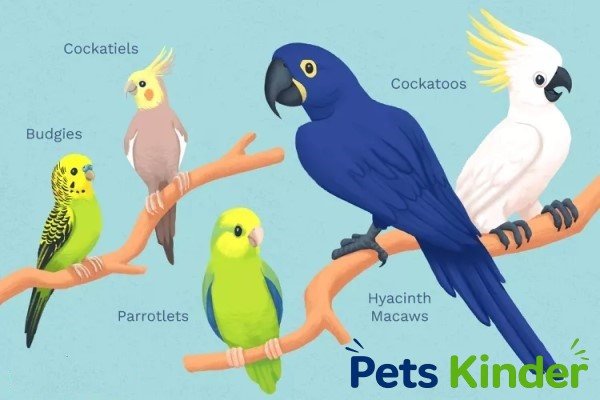
Given this enormous variety, narrowing down all types of parrots into manageable categories helps simplify things for prospective owners. Generally, parrots fall into broader groupings like macaws, cockatoos, conures, African greys, and Amazon parrots, among others. Each category carries distinct characteristics, though all share certain core traits, including curved beaks, zygodactyl feet, and remarkable intelligence relative to most other bird species.
Popular Categories Among Different Types of Parrots
When exploring different types of parrots commonly kept as pets, a few standouts consistently top the list. Macaws, known for their dramatic size and striking colors, require significant space and commitment. Cockatoos, meanwhile, are famously affectionate but demand near-constant attention, often becoming distressed when left alone for extended periods throughout the day.
Smaller options exist too, which makes different types of parrots accessible to owners with limited space. Budgies and cockatiels, for instance, thrive in smaller cages and require less intensive daily interaction compared to larger species. Conures occupy a middle ground, offering vibrant personalities and manageable size, making them popular among intermediate bird owners seeking engaging companionship without overwhelming space requirements.
Key Features and Characteristics
Across nearly all types of parrots, certain physical traits remain consistent. Their hooked beaks allow for cracking tough seeds and nuts, while their unique foot structure, with two toes pointing forward and two backward, provides exceptional grip and dexterity. This combination enables remarkable manipulation skills, allowing parrots to climb, hold objects, and even use tools in some documented cases.
Beyond physical traits, intelligence sets these birds apart from most other avian species. Many types of parrots demonstrate problem-solving abilities, emotional complexity, and social awareness rivaling that of young children in certain studies. This cognitive sophistication explains why parrots form such strong bonds with their owners, often displaying jealousy, excitement, or distress depending on their environment and daily routine.
Types of Parrots That Talk
Among the most fascinating aspects of parrot ownership involves communication, and certain types of parrots that talk have become legendary for their vocal abilities. African greys consistently rank among the most skilled talkers, capable of building vocabularies exceeding hundreds of words. Amazon parrots and certain cockatoo species also demonstrate impressive mimicry skills, often surprising owners with contextually appropriate phrases.
Interestingly, not all types of parrots that talk do so equally well, and individual personality plays a significant role beyond species alone. Some birds within talkative species remain relatively quiet, while others in supposedly less vocal species surprise owners with extensive vocabularies. Consistent interaction, patience, and positive reinforcement generally improve talking ability regardless of the specific species involved.
Diet and Nutritional Needs
Proper nutrition varies somewhat across different types of parrots, though general principles apply broadly. High-quality pellets formulated specifically for parrots should form the foundation of any diet, supplemented with fresh vegetables, limited fruit, and occasional nuts or seeds. Avoiding avocado, chocolate, and caffeine remains critical, since these foods prove toxic to virtually all parrot species.
Larger types of parrots, like macaws, typically require higher fat content due to their bigger bodies and higher energy needs. Smaller species, including budgies, need more modest portions but benefit equally from dietary variety. Fresh water should always be available, and rotating vegetable options helps prevent nutritional deficiencies while keeping mealtime mentally stimulating for these intelligent, easily bored birds.
Health, Care, and Common Issues
Across various types of parrots, certain health concerns appear consistently. Respiratory infections, feather plucking, and nutritional deficiencies rank among the most common issues veterinarians encounter. Feather plucking often stems from stress, boredom, or insufficient social interaction rather than purely physical causes, making environmental enrichment just as important as medical treatment when addressing this frustrating behavior.
Routine veterinary checkups remain essential for catching problems early, since birds instinctively mask illness as a survival mechanism inherited from wild ancestors. Providing mental stimulation through toys, foraging activities, and regular social interaction significantly reduces stress-related health issues. Additionally, maintaining clean cages and proper humidity levels helps prevent respiratory problems common among many captive parrot species.
A Notable Voice in Parrot Research
Few researchers have contributed more to our understanding of parrot intelligence than Dr. Irene Pepperberg, whose decades-long work with an African grey parrot named Alex revolutionized scientific perspectives on avian cognition. Her research demonstrated that certain types of parrots possess reasoning abilities far beyond simple mimicry, fundamentally changing how scientists and pet owners alike view these remarkable birds.
Lifespan and Long-Term Considerations
Lifespan varies enormously across different types of parrots, ranging from 15 years in smaller species to over 60 years in larger macaws and cockatoos under excellent care. This dramatic range means prospective owners must carefully consider long-term commitment before bringing home larger species, since these birds frequently outlive their original owners, sometimes requiring rehoming arrangements later in life.
Because of these extended lifespans, responsible ownership involves planning for decades of consistent care, financial investment, and emotional commitment. Smaller types of parrots offer shorter, though still substantial, commitments better suited to owners uncertain about decades-long responsibility. Regardless of species chosen, providing consistent enrichment, proper nutrition, and veterinary care throughout their entire life remains essential for genuine long-term wellbeing.
Final Thoughts
Exploring all types of parrots reveals just how remarkably diverse and intelligent this bird family truly is. Whether you’re drawn to a chatty African grey, a vibrant macaw, or a manageable budgie, understanding these birds’ unique needs ensures a rewarding, long-lasting relationship built on genuine care, patience, and mutual companionship for years to come.