Fainting Goats: The Quirky, Lovable Breed Taking Backyard Farming by Storm

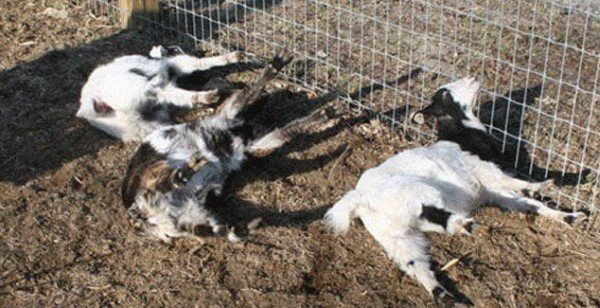
If you’ve ever watched a video of a goat suddenly going stiff and toppling over, you’ve likely stumbled across the internet’s favorite barnyard celebrity: the fainting goat. These charming animals have built a massive online following, but there’s far more to them than viral clips. Fainting goats are a distinct breed with unique physical traits, specific care needs, and a personality that makes them a favorite among hobby farmers and pet owners alike. This article breaks down everything you need to know about fainting goats, from their quirky biology to practical advice if you’re considering bringing one home.
What Exactly Are Fainting Goats?
Fainting goats, also known as Myotonic goats or Tennessee Meat Goats, aren’t actually fainting at all. Their “fainting” episodes are caused by a genetic condition called myotonia congenita, which causes their muscles to stiffen temporarily when they’re startled. Because of this, fainting goats often fall over or freeze in place for a few seconds before bouncing back as if nothing happened. Despite the dramatic name, the condition is generally harmless and doesn’t cause the animals any real pain.
This breed originated in the United States, with roots tracing back to Tennessee in the 1800s. Over time, fainting goats spread across the country and became popular not just for their entertainment value but also for their meat production qualities. Today, many people keep fainting goats purely as companion animals, drawn in by their friendly nature and undeniably entertaining quirks.
Key Features and Physical Characteristics
Fainting Goats Size and Build
When people first learn about fainting goats size, they’re often surprised by how compact these animals actually are. Adult fainting goats typically stand between 17 and 25 inches tall at the shoulder, making them noticeably smaller than many other domestic goat breeds. Males, called bucks, generally weigh between 75 and 174 pounds, while females, known as does, tend to weigh somewhat less. This smaller stature makes fainting goats a manageable choice for smaller properties.
Beyond their size, fainting goats have a few standout physical traits. They typically have a stocky, muscular build with short legs and a wide chest, which gives them a sturdy, almost comical appearance. Their eyes are often large and prominent, and their coats can come in a wide range of colors and patterns, including black, white, brown, and multicolored combinations. Many fainting goats also have a slightly arched nose profile, which adds to their distinctive look.
Personality and Temperament
One reason fainting goats have become so beloved is their gentle, easygoing temperament. They tend to be calm, curious, and surprisingly affectionate once they bond with their owners. Unlike some more athletic goat breeds, fainting goats aren’t known for jumping fences or climbing on everything in sight, largely because their stiffening condition makes acrobatics less appealing. This makes them easier to contain and manage, especially for first-time goat owners.
Diet and Nutrition for Fainting Goats
Like all goats, fainting goats thrive on a balanced diet that includes quality hay, fresh pasture, and a small amount of grain when necessary. Because they’re prone to obesity due to their lower activity levels, owners need to monitor portion sizes carefully. Overfeeding can lead to serious health complications, so a diet rich in fiber and low in excess sugar or starch is ideal for keeping these goats lean and healthy throughout their lives.
Fresh water should always be available, and mineral supplements formulated specifically for goats can help fill any nutritional gaps. Many owners also provide a salt lick to encourage proper hydration and mineral balance. Since fainting goats are naturally less active than other breeds, pairing a sensible diet with light exercise helps prevent weight gain, which can otherwise strain their joints and overall mobility over time.
Health, Care, and Common Issues
Fainting goats are generally hardy animals, but their unique genetic condition does require some special attention. Their myotonia congenita can become more pronounced under stress, so owners should aim to create a calm, low-stress environment. Loud noises, sudden movements, or aggressive handling can trigger more frequent stiffening episodes, so gentle, predictable routines work best for keeping these goats comfortable and content.
Beyond their muscle condition, fainting goats are susceptible to many of the same health issues common to other goat breeds, including parasites, hoof problems, and respiratory infections. Routine hoof trimming, regular deworming, and annual veterinary checkups go a long way toward preventing complications. Because fainting goats can be prone to obesity, weight monitoring should also be part of their ongoing healthcare routine, especially as they get older.
Vaccinations are another important piece of the puzzle. Most veterinarians recommend vaccines for diseases like tetanus and clostridial infections, which can be life-threatening if left unaddressed. Establishing a relationship with a livestock veterinarian familiar with fainting goats ensures that any emerging health concerns get caught early, ultimately extending the animal’s quality of life and overall wellbeing.
Lifespan and Long-Term Considerations
With proper care, fainting goats typically live between 12 and 15 years, though some have been known to live even longer under ideal conditions. Their lifespan depends heavily on diet, environment, and how proactively their owners manage potential health issues. Because they’re a long-term commitment, anyone considering fainting goats should think carefully about the years of care and attention these animals will require.
It’s also worth noting that fainting goats are social animals and shouldn’t be kept alone. They thrive in the company of other goats, and isolation can lead to stress, which may worsen their stiffening episodes. Prospective owners should plan to keep at least two goats together, ensuring both animals have the companionship they need to live happy, well-adjusted lives.
A Fan in the Spotlight
Interestingly, fainting goats have caught the attention of more than just farmers. Television personality and animal lover Jimmy Fallon has featured fainting goats on his late-night show, helping introduce millions of viewers to this unusual breed. Appearances like this have only fueled public curiosity, turning fainting goats into one of the most searched-for goat breeds online and inspiring many people to learn more about owning one themselves.
Fainting Goats Price and Where to Find Them
If you’re shopping around for fainting goats for sale, prices can vary quite a bit depending on age, color, and bloodline. On average, fainting goats price ranges from 200 to 600 dollars per goat, though show-quality or rare-colored animals can command higher prices. Always buy from reputable breeders who can provide health records and genetic background information, since this ensures you’re getting a healthy, well-socialized animal.
When searching for fainting goats for sale, it helps to visit local farms in person whenever possible. This allows you to observe the animal’s temperament, check for visible health issues, and ask breeders detailed questions about lineage and care history. Buying locally also reduces the stress of transportation, which can be especially beneficial for goats prone to anxiety-triggered stiffening episodes.
Final Thoughts
Fainting goats are far more than internet sensations. They’re hardy, affectionate animals with specific care requirements that reward attentive owners with years of companionship. Whether you’re drawn in by their compact size, their gentle temperament, or simply their endearing quirks, fainting goats can make a wonderful addition to a backyard farm or rural property. With proper diet, healthcare, and social companionship, these unique goats can thrive for over a decade, bringing joy and entertainment to everyone who meets them.