The Rare Subspecies That Has Hunters and Breeders Captivated
Few birds capture the imagination quite like the osceola turkey. Found only in the wild grasslands and swamps of Florida, this elusive subspecies has earned legendary status among hunters and a growing following among backyard breeders. Smaller and darker than its mainland cousins, the osceola turkey represents a unique slice of American wildlife history. Anyone fascinated by upland game birds should take the time to understand what makes this bird so special.
What Sets the Osceola Turkey Apart From Other Subspecies
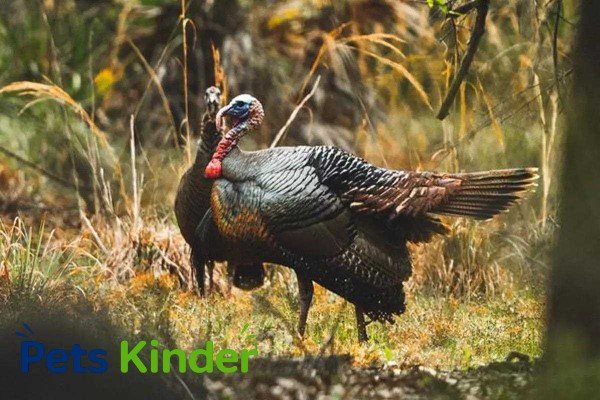
Visually, the osceola turkey stands out thanks to its darker, more iridescent plumage compared to the eastern wild turkey. Its feathers display a stunning blend of green, bronze, and purple hues that shimmer beautifully under Florida sunlight. Unlike other subspecies, the wing feathers show less white barring, giving the bird a noticeably darker overall appearance, especially when observed from a distance in dense palmetto scrub.
When discussing osceola turkey size, this subspecies is generally considered the smallest of the five recognized wild turkey types in North America. Adult males, commonly called toms, typically weigh between 16 and 18 pounds, while females average closer to 8 to 10 pounds. This compact build allows the osceola turkey to maneuver efficiently through Florida’s dense, swampy terrain where larger birds might struggle.
Beyond physical appearance, behavior also distinguishes this subspecies significantly. The osceola turkey tends to be more secretive and wary than other wild turkeys, likely due to generations of adapting to predator pressure in thick palmetto and cypress habitats. Hunters often describe this bird as exceptionally cautious, making successful harvests a genuine test of patience, skill, and woodsmanship rather than luck alone.
The Natural Habitat and Range of This Unique Bird
Geographically, the osceola turkey exists exclusively within the Florida peninsula, making it one of the most range-restricted game birds in the country. Pine flatwoods, cypress swamps, and palmetto thickets provide ideal cover, offering both protection from predators and access to diverse food sources. This limited range, however, also means habitat loss poses a genuine long-term threat to wild population stability.
Because the osceola turkey thrives in such specific ecosystems, conservation efforts have focused heavily on preserving Florida’s remaining wetlands and forested areas. Organizations like the National Wild Turkey Federation actively work alongside state agencies to maintain healthy population numbers. Consequently, responsible land management has become essential for ensuring future generations can still encounter this remarkable bird in its natural setting.
Diet and Feeding Habits in the Wild and Captivity
In the wild, the osceola turkey maintains an omnivorous diet consisting of acorns, seeds, berries, and various insects found throughout Florida’s diverse ecosystems. During spring and summer months, protein-rich insects become especially important for growing poults and breeding hens. Foraging behavior often involves scratching through leaf litter and palmetto debris to uncover hidden food sources beneath the surface.
For those raising birds domestically, replicating this varied diet becomes crucial for proper development. A balanced poultry feed supplemented with grains, greens, and occasional insects helps mimic natural foraging patterns. Additionally, providing access to grit aids digestion significantly, since turkeys lack teeth and rely on their gizzard to break down tougher food particles effectively.
Common Health Concerns and Proper Care Practices
Like most wild turkey subspecies, the osceola turkey can fall victim to various parasites and diseases, particularly when populations become stressed or overcrowded. Blackhead disease, caused by a protozoan parasite, remains one of the most significant threats, especially in captive-raised flocks housed near chickens. Regular health monitoring and proper sanitation practices help reduce transmission risks considerably.
Respiratory infections also pose concerns, particularly during damp Florida winters when humidity levels fluctuate dramatically. Keeping enclosures clean and well-ventilated, therefore, becomes essential for anyone raising this subspecies domestically. Furthermore, parasite control through regular deworming schedules helps maintain overall flock health, ensuring birds remain strong enough to resist common environmental stressors throughout the year.
Lifespan and Long-Term Considerations for Owners
In the wild, the average osceola turkey lifespan ranges from three to five years, though predation and hunting pressure often shorten this naturally. Captive birds, however, frequently live longer when protected from predators and provided consistent veterinary care. Some domestically raised individuals have reportedly lived past eight years under optimal conditions, making long-term planning essential for serious breeders.
Reproductive considerations matter significantly for anyone interested in breeding programs. Hens typically begin laying eggs around one year of age, producing clutches throughout the spring breeding season. Because the osceola turkey requires specific habitat and dietary conditions to thrive, breeders must commit to ongoing care rather than treating ownership as a short-term or casual endeavor.
A Tribute to Coyote Peterson’s Wildlife Advocacy
Coyote Peterson, known for his adventurous wildlife education content, has spent years showcasing North America’s lesser-known native species to massive audiences. While he hasn’t specifically featured the osceola turkey, his broader mission of highlighting overlooked wildlife aligns perfectly with this subspecies’ story. Increased awareness, much like Peterson promotes, helps ensure rare birds like this one receive the conservation attention they genuinely deserve.
Finding Osceola Turkey Eggs for Sale and Live Birds
For those interested in raising their own flock, osceola turkey eggs for sale can occasionally be found through specialized game bird breeders and conservation-focused hatcheries. Prices vary depending on fertility rates and seller reputation, though buyers should always verify proper incubation instructions before purchasing. Authentic osceola turkey eggs for sale typically come from verified bloodlines to maintain subspecies purity.
Similarly, locating an osceola turkey for sale requires connecting with reputable breeders who specialize in heritage and wild turkey subspecies. Because of legal restrictions surrounding wild-caught birds, any legitimate osceola turkey for sale should originate from licensed captive breeding operations. Always request documentation confirming the bird’s origin and health history before finalizing any purchase agreement.
Why This Subspecies Deserves Continued Attention
Ultimately, the osceola turkey represents far more than just another game bird option for hunters or breeders. Its restricted range, unique coloring, and cautious nature make it a genuinely special part of Florida’s natural heritage. Whether you’re drawn to conservation efforts or considering raising this subspecies yourself, the osceola turkey offers a rewarding glimpse into one of America’s most distinctive wild birds.