The Hampshire Pig: America’s Belted Breed With a Reputation for Excellence

Discovering Why This Striking Black-and-White Hog Remains a Farmer’s Favorite
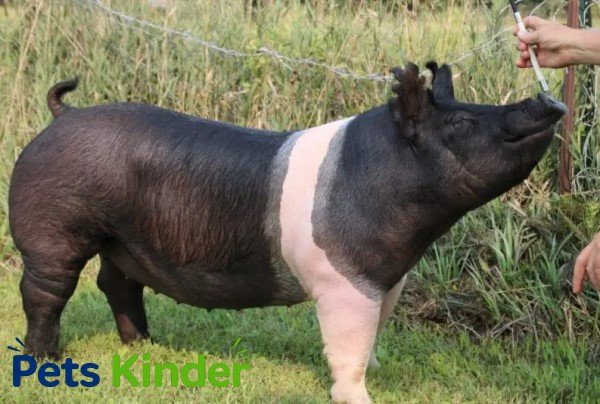
Walk through almost any livestock show in the United States, and you’ll likely spot a sleek black hog with a distinctive white belt wrapped around its middle. That’s the Hampshire pig, one of the oldest and most recognizable swine breeds raised in America today. Known for its lean muscle, hardy build, and impressive show-ring presence, this breed has earned loyal fans among commercial farmers and backyard hobbyists alike.
Hampshire Pig Origin and Breed History
The hampshire pig origin traces back to England, specifically the county of Hampshire, where farmers bred sturdy, efficient hogs centuries ago. These pigs eventually made their way to the United States in the early 1800s, settling primarily in Kentucky before spreading across the Midwest. Over time, American breeders refined the bloodline, emphasizing leanness, muscle development, and that unmistakable white belt marking that still defines the breed today.
As the hampshire pig breed gained popularity, agricultural associations began formalizing breed standards to preserve its defining traits. By the late 1800s, dedicated breed registries had emerged, helping standardize everything from coloring to body proportions. This historical foundation explains why the hampshire pig remains such a consistent, predictable breed even now, more than a century after those early American breeding programs first took shape.
Recognizing the Breed’s Defining Traits
What truly sets this animal apart is its appearance. The hampshire pig features a solid black body interrupted by a crisp white band that wraps around the shoulders and front legs, almost like a belt cinched at the waist. This marking isn’t just cosmetic, either; it’s a genetically fixed trait that breeders have carefully maintained generation after generation, making identification remarkably easy even for beginners.
Beyond coloring, hampshire pig characteristics include erect ears, a slightly arched back, and a muscular, athletic build that reflects its lean meat production purpose. These pigs carry themselves with confidence, often appearing more alert and active than some heavier breeds. Their compact, efficient frame makes them excellent foragers, and farmers frequently praise their adaptability across different climates and management systems throughout the country.
Diet and Nutritional Requirements
Feeding a hampshire pig properly requires balancing protein, energy, and essential nutrients to support healthy muscle growth without excessive fat accumulation. Most commercial operations rely on corn and soybean meal-based rations, supplemented with vitamins and minerals tailored to each growth stage. Young piglets need higher protein percentages, while finishing hogs require adjusted ratios to optimize lean meat yield before market weight.
Because this breed naturally builds muscle efficiently, overfeeding can quickly lead to unwanted fat deposits that reduce carcass quality. Therefore, many breeders monitor feed intake closely, especially during the finishing phase. Fresh water access remains non-negotiable, and pasture-raised hampshire pig herds often supplement grain rations with foraged vegetation, which can improve overall digestion and contribute to more robust, naturally conditioned animals.
Growth Patterns and Hampshire Pig Weight
Understanding hampshire pig weight expectations helps farmers plan feeding schedules and market timing more effectively. At birth, piglets typically weigh between 2 and 3 pounds, growing rapidly under proper nutrition. By six months, a healthy hampshire pig commonly reaches market weight, usually falling somewhere between 220 and 260 pounds, depending on genetics and feeding intensity.
Mature breeding boars can weigh considerably more, sometimes exceeding 500 pounds, while sows generally range between 300 and 450 pounds once fully developed. This growth trajectory makes the breed attractive for commercial pork production, since farmers can predict timelines with reasonable accuracy. Consistent weight gain also reflects the breed’s efficient metabolism, a trait that has made it popular among producers focused on lean, high-quality pork output.
Health, Care, and Common Issues
Like most swine breeds, the hampshire pig faces certain health vulnerabilities that require attentive management. Respiratory illnesses, particularly during seasonal transitions, can affect herds housed in poorly ventilated barns. Parasitic infections, including internal worms, also pose risks, making routine deworming schedules and regular veterinary checkups essential parts of responsible hampshire pig care.
Skin conditions occasionally arise too, especially in pigs exposed to excessive sun without adequate shade or wallowing areas. Since this breed has minimal hair coverage, sunburn becomes a genuine concern during hot summer months. Providing shaded shelter, clean bedding, and proper sanitation significantly reduces disease risk. Vaccination protocols, established alongside a trusted veterinarian, further protect herds from common bacterial and viral threats common in swine populations.
A Famous Connection to American Agriculture
Few public figures have championed sustainable, traditional livestock farming quite like Joel Salatin, the well-known Virginia farmer and author. While Salatin raises various animals on his regenerative farm, his broader advocacy for heritage and traditional breeds, including hardy options like the hampshire pig, has inspired countless small-scale farmers to reconsider conventional industrial farming practices in favor of more sustainable approaches.
Lifespan and Long-Term Breeding Considerations
In terms of longevity, a well-cared-for hampshire pig can live between 12 and 15 years, though most commercial animals are processed long before reaching old age. Breeding sows and boars kept for reproduction purposes often live longer, provided they receive consistent veterinary care, balanced nutrition, and comfortable housing throughout their productive years on the farm.
Long-term breeding programs benefit significantly from this animal’s genetic consistency, since the breed reliably passes down its signature belt marking and muscular build. Farmers planning multi-generational herds appreciate this predictability, as it simplifies selective breeding decisions. Proper record-keeping, combined with attentive health management, ensures breeding stock remains productive and genetically sound for many years of continued use.
Hampshire Pig Price and Availability
For anyone exploring a hampshire pig for sale, prices vary considerably based on age, lineage, and intended purpose. Weaned piglets typically range from $75 to $150, while registered breeding stock with documented pedigrees can command significantly higher prices, sometimes reaching several hundred dollars per animal depending on quality and regional demand.
Overall hampshire pig price trends reflect broader market conditions, including feed costs and regional pork demand. Buyers seeking show-quality animals or proven breeding genetics should expect premium pricing compared to standard commercial stock. Working with reputable breeders, verifying registration documentation, and inspecting animals in person remain the best strategies for securing healthy, genetically sound pigs at fair market value.
Final Thoughts
The hampshire pig continues earning its reputation as a reliable, efficient, and visually striking breed worth serious consideration. Whether you’re drawn to its lean meat qualities, manageable size, or that unmistakable belted appearance, this breed offers genuine value for commercial producers and hobby farmers pursuing sustainable, productive livestock options for years to come.