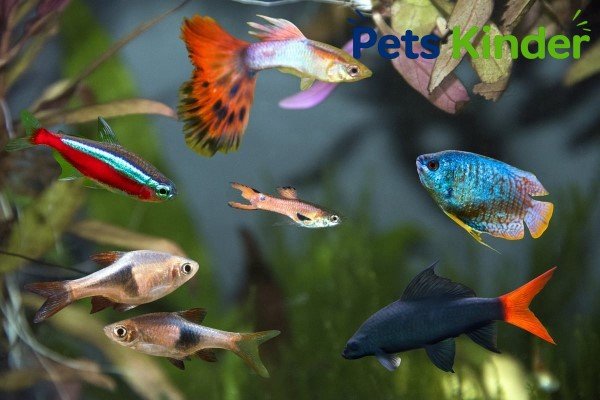
There is something almost meditative about watching colorful pet fish glide through the water. The shimmer of neon fins, the flash of a bold stripe, the slow drift of a flowing tail it draws you in and holds you there. Whether you are setting up your very first tank or expanding a thriving aquatic collection, choosing the right fish is one of the most exciting decisions you will make. And with so many breathtaking options available today, knowing where to start can feel a little overwhelming.
This guide breaks down everything you need to know from the most stunning colorful pet fish breeds to care tips, diet, health considerations, and how long your aquatic companions are likely to live. By the end, you will have a clear picture of which fish belong in your tank and how to keep them thriving for years.
Why Colorful Pet Fish Make Such Rewarding Companions
Fish are often underestimated as pets. People assume they are low-effort, low-reward but experienced aquarists know better. Colorful pet fish bring genuine personality to a home. They respond to feeding routines, recognize their owners over time, and create a living ecosystem that changes daily. Beyond the beauty they add to a room, studies have consistently shown that watching fish reduces stress and lowers blood pressure. A well-maintained aquarium is essentially a piece of moving art.
Furthermore, colorful fish are conversation starters. A tank filled with vibrant, healthy fish tells guests something about the care and attention their owner puts into their environment. That said, beauty without proper knowledge leads to heartbreak. Let’s make sure that does not happen.
Top Colorful Pet Fish Breeds You Should Know About
When it comes to colorful pet fish breeds, the options span every color of the spectrum. Some are hardy and beginner-friendly; others demand a more experienced hand. Here is a look at the most popular and visually stunning choices available to home aquarists.
Betta Fish (Betta splendens)
The Betta fish might just be the most iconic of all colorful pet fish breeds. Males display dramatic, flowing fins in shades of deep cobalt blue, crimson red, emerald green, and even iridescent purple. Originally from Southeast Asia, Bettas are labyrinth fish meaning they breathe air directly from the surface, which makes them surprisingly adaptable to smaller tanks. However, they are territorial by nature and must be kept alone or with very carefully selected tank mates.
Key Features and Care
Bettas thrive in water temperatures between 76°F and 82°F with a slightly acidic to neutral pH of 6.5 to 7.5. They prefer tanks with gentle filtration and plenty of hiding spots dense plants and caves help them feel secure. Diet-wise, Bettas are carnivores. High-quality pellets formulated specifically for Bettas should form the backbone of their diet, supplemented with frozen or live foods like brine shrimp, bloodworms, and daphnia. Feed small amounts once or twice daily to avoid bloating, which is a common issue.
Health and Lifespan
With proper care, Bettas typically live two to five years, though some reach six or seven in ideal conditions. Common health concerns include fin rot (caused by bacterial infections from poor water quality), ich (a parasitic infection presenting as white spots), and swim bladder disorder. Maintaining clean water through regular partial water changes roughly 25% weekly prevents the vast majority of these issues before they start.
Guppies (Poecilia reticulata)
If you are new to fishkeeping and want small colorful pet fish that are forgiving and fun, guppies are an excellent starting point. These little fish pack remarkable color into a body that rarely exceeds two inches in length. Males come in virtually every color imaginable orange, yellow, green, blue, red, and multi-toned patterns while females are generally plainer but still lovely. They are social, active swimmers that do best in groups of at least six.
Diet, Health, and Lifespan
Guppies are omnivores and genuinely easy to feed. High-quality flake food works perfectly as a daily staple, with occasional treats of baby brine shrimp or microworms adding nutritional variety. They adapt to a wide pH range (6.8 to 7.8) and temperatures of 72°F to 82°F. Health problems are uncommon in well-kept tanks, though velvet disease and fin rot can appear in poor water conditions. Guppies typically live between one and three years, making them short-lived but endlessly rewarding since healthy pairs breed readily.
Discus Fish (Symphysodon spp.)
Among serious aquarists, the Discus is often called the king of the freshwater aquarium and that title is entirely deserved. These large, disc-shaped cichlids from the Amazon Basin display breathtaking patterns of red, orange, blue, and turquoise. As far as colorful pet fish breeds go, Discus are unmatched in terms of visual impact. However, they come with a caveat: they are demanding fish that require precise water conditions and an experienced keeper.
Care Requirements and Common Issues
Discus need soft, warm water ideally between 82°F and 88°F with a pH of 6.0 to 7.0. They are sensitive to ammonia and nitrite spikes, so pristine water quality is non-negotiable. Diet should consist of high-protein foods including beef heart mix, bloodworms, and quality pellets. Common diseases include Discus plague (a stress-related condition causing darkening and lethargy), hole-in-the-head disease, and intestinal parasites. With dedicated care, Discus live an impressive ten to fifteen years.
Neon Tetras (Paracheirodon innesi)
Few small colorful pet fish are as instantly recognizable as the Neon Tetra. That electric blue stripe running the length of its body, paired with a vivid red tail, makes it one of the most purchased aquarium fish in the world and for good reason. Neon Tetras are peaceful, hardy, and absolutely stunning when kept in schools of ten or more. The collective shimmer of a school darting through a planted tank is truly something special.
Diet, Health, and Lifespan
Neon Tetras are micro-omnivores that eat fine flake food, micro-pellets, and tiny frozen foods. They thrive in soft, slightly acidic water (pH 6.0 to 7.0) at temperatures between 70°F and 81°F. The most notable disease affecting them is Neon Tetra Disease, a parasitic infection with no effective cure that causes color loss, cysts, and curved spines. Purchasing from reputable breeders and quarantining new fish dramatically reduces this risk. Healthy Neon Tetras live five to ten years, often surprising owners with their longevity.
Mandarin Dragonet (Synchiropus splendidus)
For saltwater enthusiasts, the Mandarin Dragonet is arguably the most visually extravagant colorful pet fish on the planet. Its body is painted in swirling patterns of bright orange, electric blue, and vivid green no two fish look exactly alike. This species is small (around three inches), slow-moving, and peaceful, but it presents serious feeding challenges. Mandarin Dragonets typically refuse dry or frozen foods, preferring live copepods as their primary diet. Consequently, they require mature reef tanks with robust, self-sustaining copepod populations.
Lifespan and Long-Term Considerations
When their dietary needs are properly met, Mandarin Dragonets live ten to fifteen years in captivity. Starvation is the leading cause of death in this species, making supplemental copepod feeding essential. They do not respond well to aggressive tank mates and need a calm reef environment with plenty of live rock for foraging. Despite the challenges, experienced reef keepers consider them one of the ultimate rewards of the hobby.
Setting Up the Right Environment for Your Colorful Fish
Regardless of which colorful pet fish you choose, a few environmental principles apply universally. First, always cycle your tank before introducing fish this establishes the beneficial bacteria that process waste and prevent toxic ammonia buildup. Second, research the specific water parameters your chosen species requires and invest in a reliable test kit to monitor them. Third, avoid overcrowding. A good general rule is one inch of fish per gallon of water for small fish, though larger or more active species need considerably more space.
Additionally, consider the social dynamics of your fish. Some species, like Bettas and certain cichlids, are aggressive and territorial. Others, like Neon Tetras and guppies, are schooling fish that suffer when kept alone. Matching compatible species creates a harmonious tank and reduces stress-related illness significantly. Decor matters too live plants not only look stunning alongside colorful fish but also contribute to water quality and provide natural hiding spots that reduce stress.
Nutrition Basics That Keep Colors Vivid and Fish Healthy
One thing experienced fishkeepers often emphasize is that diet directly impacts color intensity. Fish fed a nutritionally complete, species-appropriate diet display far more vibrant coloration than those kept on generic flake food alone. Many colorful pet fish breeds benefit from foods rich in carotenoids natural pigments found in spirulina, krill, and certain crustaceans which enhance reds, oranges, and yellows. Foods like frozen brine shrimp, daphnia, and high-quality color-enhancing pellets make a noticeable difference over time.
Overfeeding is a common mistake, especially among new hobbyists. Uneaten food breaks down rapidly, spikes ammonia levels, and creates the exact water quality problems that lead to disease. Feed only what your fish consume within two to three minutes, once or twice a day for most species. Fasting your fish one day per week is also a practice many seasoned aquarists swear by, as it improves digestion and reduces waste buildup in the tank.
Final Thoughts: Choosing the Right Colorful Pet Fish for You
The world of colorful pet fish is vast, vibrant, and endlessly fascinating. Whether you are drawn to the silky fins of a Betta, the neon glow of a school of Tetras, or the otherworldly beauty of a Mandarin Dragonet, there is a fish and a tank that fits your lifestyle and experience level. The key is honest self-assessment: match your fish choice to the time, budget, and expertise you can realistically commit.
Start with small colorful pet fish like guppies or Neon Tetras if you are a beginner. Build your skills, learn your water parameters, and grow your confidence. Then, when you are ready, graduate to the more demanding and more breathtaking species. Above all, remember that these fish are living creatures that depend entirely on the environment you create for them. Give them what they need, and they will reward you with color, life, and quiet wonder every single day.