Discover the Fascinating World of the Red Robin Bird, From Nesting Habits to Survival Skills and Everyday Characteristics
Introduction to the Red Robin Bird and Its Unique Identity
The Red Robin bird is one of the most recognizable and beloved birds because of its bright appearance, cheerful behavior, and close connection with gardens, forests, and outdoor spaces. Known for its orange-red breast, alert personality, and energetic movements, this bird has captured the attention of bird watchers and nature lovers for generations. Its presence often signals seasonal changes, especially during spring when activity increases and nesting begins.
Many people admire the Red Robin bird because it feels familiar and approachable compared to many other wild birds. It often lives near human environments, including parks, backyards, and residential areas. Although small in size, this bird has strong survival instincts and fascinating behaviors. Learning about its diet, habitat, breeding habits, and health concerns helps people better understand and appreciate this beautiful species.
Physical Features and Key Characteristics of the Red Robin Bird
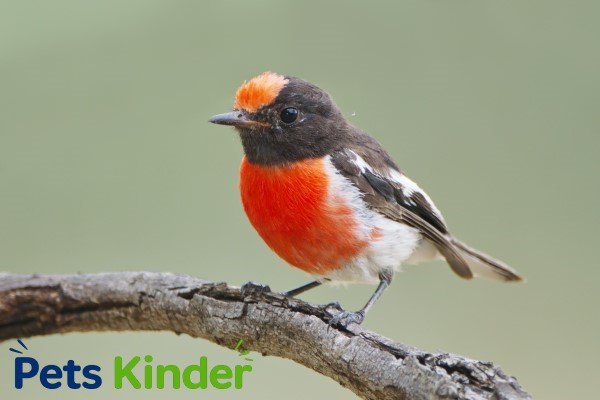
The Red Robin bird has several features that make it easy to identify. Its most noticeable characteristic is the warm reddish-orange coloring on its chest, which contrasts with its brownish-gray back and wings. The bird has a rounded body shape, thin legs, and a sharp beak designed for catching insects and searching for food. Its appearance may slightly vary depending on age, season, and location.
Beyond its physical beauty, the Red Robin bird is known for its active and curious nature. It often hops across lawns while searching for worms, insects, and small food sources. Unlike some shy bird species, robins commonly explore open areas and remain visible during daily activities. Their confidence, movement patterns, and recognizable appearance make them a favorite subject among bird enthusiasts.
Understanding the Red Robin Bird Sound and Communication
The Red Robin bird sound is another reason why this species is widely appreciated. Its song is usually described as clear, pleasant, and musical, especially during early mornings. Male robins often sing to communicate with other birds, defend their territory, and attract mates. Their songs become more noticeable during breeding seasons when they are more active and vocal.
Communication is an important part of robin behavior. Besides singing, these birds use body movements, calls, and warning sounds to interact with each other. The Red Robin bird sound can also help bird watchers identify the species without seeing it directly. Listening carefully to outdoor sounds can reveal the presence of these charming birds nearby.
Habitat and Natural Lifestyle of the Red Robin Bird
The Red Robin bird adapts well to different environments, which explains why it can be found in many areas. It commonly lives in woodlands, gardens, fields, and urban landscapes where food and shelter are available. Robins prefer areas with trees, shrubs, and open ground because these locations provide protection and easy access to feeding opportunities.
Although adaptable, robins still depend on healthy natural surroundings. Habitat loss, extreme weather, and environmental changes can affect their ability to find food and build nests. Therefore, creating bird-friendly spaces with plants, clean water sources, and natural shelter can support local bird populations. Small actions by people can make outdoor areas safer for wildlife.
Diet and Nutrition Needs of the Red Robin Bird
The diet of the Red Robin bird changes depending on the season and available resources. During warmer months, robins mainly eat insects, worms, caterpillars, and other small creatures that provide essential protein. They often search through soil and grass to find hidden food. Their feeding behavior helps maintain natural balance by controlling insect populations.
During colder months, food sources may become limited, so robins often consume fruits, berries, and other plant-based foods. A varied diet allows them to survive changing conditions throughout the year. People who want to support robins in their gardens can provide suitable natural plants and avoid harmful chemicals that reduce insect populations. A healthy environment creates better feeding opportunities.
Nesting Habits and Red Robin Bird Eggs
Breeding season is one of the most interesting times to observe these birds. Female robins carefully select safe locations and build nests using grass, twigs, mud, and other natural materials. The nest provides protection and comfort for developing young birds. The color and appearance of Red Robin bird eggs are also fascinating, as they are typically known for their distinctive blue-green shade.
After laying eggs, the parents work together to protect and feed their chicks. The female usually focuses on incubation, while both parents contribute to caring for the young. Red Robin bird eggs require careful protection because predators, weather conditions, and environmental changes can impact survival. Once the chicks grow stronger, they gradually learn essential skills needed for independent life.
Health Concerns and Common Problems Affecting Robins
Like all wild animals, the Red Robin bird can face various health challenges. Common concerns include injuries, parasites, infections, and problems caused by environmental hazards. Pollution, unsafe food sources, and habitat destruction may also influence their overall health. Observing birds from a respectful distance allows people to appreciate them without creating unnecessary stress.
Natural predators can also affect robin populations. Cats, larger birds, and other animals may threaten young birds and nests. Additionally, extreme weather can make survival more difficult by reducing access to food and shelter. Supporting wildlife-friendly environments helps reduce some risks and gives these birds better chances of thriving.
Lifespan and Long-Term Survival of the Red Robin Bird
The lifespan of the Red Robin bird depends on many factors, including habitat quality, food availability, and protection from dangers. While many young birds face challenges during their early stages, adult robins can survive several years when conditions are favorable. Their ability to adapt has helped them remain common across many regions.
Long-term survival depends on maintaining balanced ecosystems. Healthy forests, gardens, and natural spaces provide essential resources for birds. As human environments continue to change, protecting wildlife habitats becomes increasingly important. Supporting native plants and responsible outdoor practices can help ensure that future generations continue enjoying these beautiful birds.
Famous Personality and Love for Nature
Many famous personalities have inspired people to appreciate wildlife and the natural world. One notable example is David Attenborough, whose work has encouraged millions of people to understand animals, birds, and ecosystems. His dedication to nature education highlights the importance of protecting species and respecting the wildlife that shares our environment.
Final Thoughts About the Red Robin Bird
The Red Robin bird represents beauty, adaptability, and the simple wonders of nature. From its colorful appearance and unique song to its nesting habits and survival abilities, this bird offers many reasons for people to appreciate wildlife. Understanding its behavior, diet, and challenges helps create a stronger connection between humans and the natural world.
Whether seen in a backyard, park, or forest, the robin reminds us that even small creatures play an important role in the environment. By protecting habitats, respecting wildlife, and supporting healthy ecosystems, people can help ensure that these remarkable birds continue to thrive for many years.