Barred Owls: The Complete Guide to Their Habitat, Diet, Behavior, and Life in the Wild

Discover the Mysterious Forest Owl Known for Its Unique Calls and Remarkable Adaptations
Barred owls are among the most fascinating birds of prey in North America, admired for their expressive eyes, powerful hunting abilities, and distinctive “who-cooks-for-you” call. These medium-sized owls have captured the attention of bird watchers, nature lovers, and wildlife researchers because of their intelligence and ability to adapt to different forest environments. Their quiet movements and nocturnal lifestyle make them one of the most interesting creatures to observe in nature.
Unlike many birds that depend on open spaces, these owls prefer wooded areas where they can hunt, rest, and raise their young. Learning about their appearance, diet, habitat, and behavior helps people understand why protecting natural environments is essential for their survival. The more we discover about these birds, the more we appreciate their important role in maintaining ecological balance.
Understanding the Unique Characteristics of Barred Owls
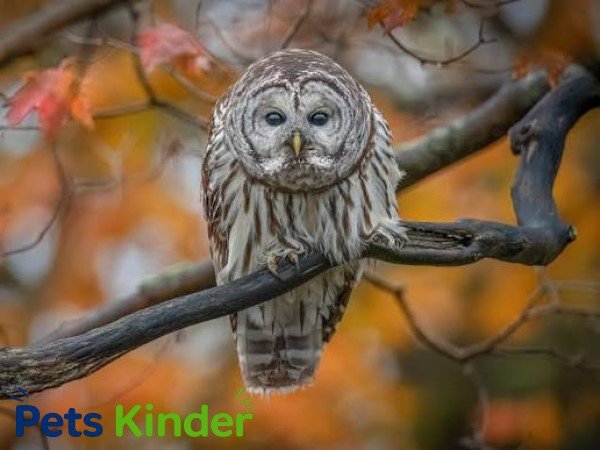
Barred owls are easily recognized by their round heads, dark eyes, and beautiful feather patterns. Their name comes from the horizontal dark and light stripes, or bars, across their chest and wings. Unlike many other owl species, they do not have ear tufts, giving them a softer and more rounded appearance.
These owls are skilled hunters with excellent hearing and vision, especially during low-light conditions. Their feathers allow them to fly almost silently, helping them approach prey without being detected. Additionally, their strong talons and sharp beaks make them efficient predators capable of catching a variety of animals.
Their calm but alert personality makes them different from more aggressive birds of prey. Although they usually avoid humans, they can become protective around nesting areas. Observing them from a respectful distance allows people to enjoy their beauty without disturbing their natural behaviors.
Where Do Barred Owls Live and What Habitats Do They Prefer?
Many people ask, where do Barred owls live because these birds have a wide distribution across forest regions. They commonly inhabit mature forests, swamps, wooded wetlands, and areas near rivers or streams. These environments provide plenty of trees for nesting and enough prey to support their daily needs.
Over time, some populations have adapted to suburban areas where suitable trees and food sources are available. However, dense forests remain their preferred habitat because they offer protection and better hunting opportunities. Maintaining healthy woodland ecosystems plays a major role in supporting their populations.
Barred owls usually stay within a familiar territory rather than traveling long distances. They depend on stable environments where they can find shelter, reproduce, and hunt successfully. Habitat destruction and changes in forest conditions can create challenges for their survival.
How Big Are Barred Owls and What Makes Their Appearance Special?
A common question among bird enthusiasts is, how big are Barred owls compared to other owl species? These birds typically measure around 16 to 25 inches in length, with wingspans that can reach approximately 3 to 4 feet. Their size allows them to be powerful hunters while still moving easily through dense forests.
Their feathers provide excellent camouflage, helping them blend into tree bark and woodland surroundings. Their rounded wings allow smooth movement between branches, while their strong feet help them capture prey efficiently. Female barred owls are generally larger than males, which is common among many birds of prey.
Although they appear large because of their fluffy feathers, much of their size comes from their soft plumage. Their lightweight bodies are designed for quiet flight and quick movement, making them highly effective nighttime hunters.
What Do Barred Owls Eat and How Do They Hunt?
Many people wonder, what do Barred owls eat because their diet reveals how adaptable these birds are. These predators consume a wide range of animals, including small mammals, birds, amphibians, reptiles, insects, and occasionally fish. Their flexible diet helps them survive in different environments.
They usually hunt from a quiet perch, carefully listening for movement below. Once they locate prey, they quickly fly down and use their sharp talons to capture it. Their excellent hearing allows them to detect animals even when vegetation or darkness makes visibility difficult.
Because they eat various species, barred owls help control populations of small animals in their habitats. This natural role makes them valuable members of forest ecosystems. A healthy owl population often indicates that an environment has enough resources to support wildlife.
Breeding, Nesting, and Family Behavior
Barred owls usually form long-term pair bonds and work together during the breeding season. They often use natural tree cavities or abandoned nests created by other birds. The female typically lays eggs, while both parents help protect and feed the young after they hatch.
Young owls depend on their parents for food and protection until they become strong enough to explore independently. During this period, adult owls become highly protective and may defend their nesting area. Their family behavior shows a strong level of care and cooperation.
Because nesting requires mature trees, preserving old forests is important for successful reproduction. Loss of suitable nesting locations can affect their ability to maintain healthy populations over time.
How Long Do Barred Owls Live and What Affects Their Lifespan?
People often ask, how long do Barred owls live because their lifespan depends on several environmental factors. In the wild, many survive around 8 to 10 years, although some individuals can live longer when conditions are favorable. Factors such as food availability, habitat quality, disease, and human activity influence their survival.
Captive owls may live longer because they receive consistent food and veterinary care. However, wild owls experience natural challenges that shape their populations. Their ability to adapt and find resources plays an important role in determining their longevity.
Protecting habitats, reducing harmful human impacts, and supporting wildlife conservation efforts can help these birds continue thriving in natural environments.
Health Challenges and Common Threats Facing Barred Owls
Although these owls are strong predators, they face several risks in the wild. Common threats include habitat loss, collisions with vehicles, exposure to environmental toxins, and competition with other owl species. Human activity can significantly affect their safety and access to resources.
Disease can also impact individual birds, especially when environmental conditions become stressful. Wildlife researchers monitor owl populations to better understand health concerns and identify conservation needs. Protecting natural areas remains one of the most effective ways to support their wellbeing.
Additionally, people can help by preserving trees, avoiding disturbances near nesting areas, and supporting responsible wildlife practices. Small actions can contribute to protecting these remarkable birds.
Famous Wildlife Supporters and the Importance of Conservation Awareness
Many famous personalities have helped inspire people to respect and protect wildlife. One well-known example is Jane Goodall, whose conservation work and dedication to understanding animals have encouraged millions of people to care about nature. Her efforts show how education and awareness can create positive changes for wildlife.
Although her research focuses mainly on primates, the message applies to all species, including owls. Understanding animal behavior and protecting natural habitats allows future generations to experience the incredible diversity of life on Earth.
Final Thoughts on the Amazing World of Barred Owls
Barred owls represent the beauty, intelligence, and balance of forest ecosystems. Their unique appearance, fascinating hunting skills, and important ecological role make them one of the most admired owl species. By learning about their habitat, diet, and behaviors, people can develop a deeper appreciation for these incredible birds.
Protecting forests and respecting wildlife spaces are essential steps toward ensuring these owls continue to thrive. Whether seen during a quiet forest walk or heard calling at night, barred owls remind us of the hidden wonders that exist in the natural world.