The Axis Deer: Nature’s Most Beautiful Invader You Probably Don’t Know Enough About

Axis deer are among the most striking animals you’ll ever encounter in the wild. With their rich chestnut coats covered in white spots that never fade with age, they look almost too elegant to be real. Originally native to the Indian subcontinent, these deer have spread far beyond their homeland and that expansion has sparked serious ecological debates in places like Hawaii and Texas. Whether you’re a hunter, a wildlife enthusiast, or just someone who stumbled across a photo and couldn’t look away, there’s far more to the axis deer than meets the eye.
What Exactly Is an Axis Deer?
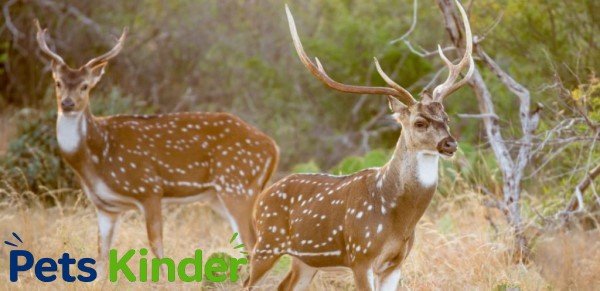
The axis deer (Axis axis), also commonly called the chital, is a medium-to-large deer species indigenous to India, Nepal, Sri Lanka, and Bangladesh. Males typically weigh between 150 and 250 pounds, while females are considerably smaller, usually ranging from 90 to 150 pounds. One of the most immediately recognizable features of the axis deer is its permanent spotted coat unlike white-tailed deer fawns, axis deer retain their spots throughout their entire lives. That alone makes them visually unforgettable.
Key Physical Characteristics
The body of an axis deer is compact and athletic, built for speed and agility. Their coat is a warm reddish-brown or golden-tan base, lined with rows of crisp white spots running along the sides and back. A darker stripe runs down the spine, adding contrast to the overall pattern. Males grow impressive three-tined antlers that can span up to 30 inches, and unlike many deer species, axis bucks don’t follow a strict seasonal antler cycle — meaning you can encounter males in velvet and males with hardened antlers almost any time of year. That’s a biological quirk that makes them particularly fascinating to study.
Behavior and Social Structure
Axis deer are highly social animals. They typically move in herds that can range from a few individuals to groups numbering in the dozens. Interestingly, these herds are often mixed males, females, and young traveling together which differs from deer species that tend to separate by sex outside of the rut. They’re also notoriously vocal, producing a distinctive bark-like alarm call when they sense danger. That call is sharp and carries a long distance, alerting the entire herd almost instantly.
Axis Deer in Hawaii: A Paradise Turned Battleground
Few wildlife stories are as contentious as the axis deer Hawaii situation. Axis deer were first introduced to the Hawaiian island of Molokai in 1868 as a gift to King Kamehameha V from a Hong Kong diplomat. From there, they were brought to Maui and Lanai. What seemed like a harmless addition to Hawaii’s landscape has since grown into one of the state’s most serious environmental crises.
The Ecological Impact
Hawaii’s native ecosystems evolved without large browsing mammals. As a result, the islands’ plants have no natural defenses against being eaten to the ground. Axis deer on Maui alone are estimated to number in the tens of thousands, and their voracious grazing strips vegetation from hillsides, accelerates soil erosion, and degrades watersheds that local communities depend on for clean drinking water. Farmers on Maui have reported devastating losses entire crops wiped out overnight. The economic toll is measured in millions of dollars annually.
Management Efforts
Controlling axis deer Hawaii populations has proven enormously difficult. Hunting has increased, and aerial culling operations have been implemented in recent years, though these efforts remain controversial among different community groups. Some Native Hawaiian and conservation groups strongly support aggressive population control, viewing the deer as a direct threat to the land. Others have pushed back on certain methods. The debate is ongoing, but the ecological urgency is undeniable Hawaii’s fragile native forests simply cannot absorb the pressure these animals place on them.
Axis Deer vs Whitetail: How Do They Stack Up?
For hunters and wildlife observers in North America, the axis deer vs whitetail comparison comes up constantly and for good reason. Both species now share overlapping range in parts of Texas and other southern states. They look superficially similar in size and habitat preference, but they’re quite different animals once you dig into the details.
Size and Appearance
Whitetail deer vary widely by region, but the average adult buck in the South typically weighs between 110 and 160 pounds generally lighter than a mature axis buck. In terms of appearance, there’s no contest: the axis deer’s spotted coat and three-tined antlers are immediately distinctive. Whitetails shed their spots as fawns and carry much more complex, branching antler configurations. If you see a spotted adult deer in Texas, it’s almost certainly an axis.
Breeding Season and Behavior
Here’s where the axis deer vs whitetail difference becomes most significant for hunters. Whitetails have a defined rut, typically peaking in November across most of the US a concentrated window that hunters plan their season around. Axis deer, on the other hand, breed year-round. Does can come into estrus in any month, and bucks can be in rut at virtually any time. That means no single “magic week” to hunt them, but it also means opportunities throughout the year.
Meat Quality
Many hunters and wild game enthusiasts consider axis deer to offer some of the finest venison available. The meat is consistently described as mild, lean, and tender qualities attributed partly to the animals’ varied diet and partly to their genetics. Compared to whitetail, axis venison tends to have less of the gamey flavor that some people find off-putting, making it a favorite among those who process their own wild game.
Diet and Nutrition of the Axis Deer
Axis deer are grazers and browsers, meaning they eat both grass and leafy vegetation depending on availability. In their native Indian range, they graze heavily during the monsoon season when fresh grasses are abundant, then shift to browsing shrubs and forbs during drier months. In introduced environments like Texas ranches or Hawaiian hillsides, they adapt readily to whatever plant life is available which is precisely what makes them so successful and, in some contexts, so destructive.
Their nutritional strategy is opportunistic and efficient. They’re drawn to high-protein, easily digestible vegetation, and they’ll concentrate in areas near water sources, especially during dry seasons. In managed ranch settings, supplemental feeding is sometimes used to attract and maintain herds, though wild populations do just fine without human assistance.
Lifespan, Health, and Common Issues
In the wild, axis deer typically live between 9 and 13 years, though conditions play a significant role. In captivity or on managed game ranches, individuals can reach 18 to 20 years with proper care. They’re generally hardy animals, but they’re not without health vulnerabilities.
Common Health Concerns
Axis deer can carry and transmit several diseases, including Bovine Tuberculosis (bTB), which is a concern in regions where they share range with cattle. In Hawaii, the potential for disease transmission to livestock and native wildlife is one additional reason wildlife managers push for population control. Parasites including ticks, nasal bots, and various internal worms are common, particularly in areas with high deer density. Chronic Wasting Disease (CWD), which has devastated whitetail populations in parts of North America, does not currently appear to affect axis deer, though ongoing surveillance continues.
Care in Managed Settings
On game ranches, axis deer require relatively minimal intervention compared to some exotic species. They thrive in warm climates, tolerate drought conditions reasonably well, and reproduce consistently. Adequate space, access to clean water, and a varied food supply are the primary requirements for keeping them healthy in a managed environment. Overcrowding, however, leads to overgrazing, stress, and increased disease transmission so responsible management always factors in carrying capacity.
Why the Axis Deer Matters
The axis deer sits at a fascinating intersection of beauty, ecological complexity, and human decision-making. In their native Indian range, they’re a keystone prey species for tigers and leopards. Outside that context, they’re an invasive force that reshapes ecosystems in ways that can take generations to reverse. The axis deer Hawaii crisis illustrates that clearly a single well-intentioned introduction in 1868 has produced consequences that communities are still grappling with more than 150 years later.
Understanding the axis deer fully means holding two truths at once: they are genuinely spectacular animals, and their presence in the wrong place can cause real, lasting harm. That tension doesn’t make them villains. It makes them a mirror reflecting back our choices, our missteps, and ultimately our responsibility to manage the natural world with far more care than we often have.