Bunny vs Rabbit: Understanding the Differences, Care Needs, and Lifespan of These Popular Pets

A complete guide to appearance, behavior, nutrition, health, and what every rabbit lover should know
Understanding Bunny vs Rabbit and What the Terms Really Mean
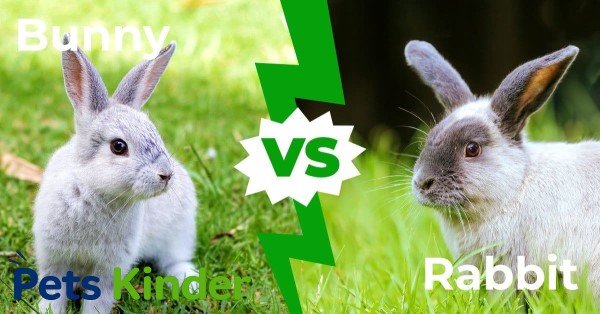
Many people use the words bunny and rabbit as if they describe two different animals, but the difference is mostly related to language rather than biology. The phrase Bunny vs Rabbit often creates confusion because both terms usually refer to the same type of animal: members of the rabbit family.
The word “rabbit” is the more formal and commonly used term, especially when discussing the species in scientific, veterinary, or educational settings. “Bunny” is a more casual and affectionate word that many people use when talking about these cute, gentle animals, especially young rabbits.
When discussing Bunny vs Rabbit, it is important to understand that there is no separate animal called a bunny. The care requirements, diet, health needs, and behaviors are generally the same. Whether someone calls their pet a bunny or a rabbit, responsible ownership involves understanding their unique needs.
Key Features and Characteristics
Appearance and Physical Traits
Rabbits are small mammals known for their long ears, powerful hind legs, soft fur, and short tails. They come in many different breeds, sizes, and colors, ranging from tiny dwarf varieties to larger breeds with impressive body structures.
Their ears help them detect sounds and communicate emotions. A rabbit may move its ears forward when curious, flatten them when scared, or shift them in different directions while listening.
A clear Bunny vs Rabbit explanation also includes their natural behavior. These animals are prey species, meaning they are often cautious and alert. Even friendly pet rabbits may take time to build trust with humans.
Personality and Behavior
Rabbits are intelligent, social animals with unique personalities. Some are playful and energetic, while others are calm and enjoy quiet interaction. Many rabbits can learn routines, recognize their owners, and even respond to their names.
They communicate through body language. Jumping, running, and playful movements often show happiness, while hiding or avoiding interaction may indicate stress or discomfort.
The Bunny vs Rabbit comparison is often misunderstood because people sometimes expect rabbits to behave like traditional small pets. In reality, they require patience, social interaction, and an environment that supports their natural behaviors.
Diet and Nutrition Requirements
A healthy diet is essential for keeping rabbits active and preventing common health problems. Their digestive systems are designed for a high-fiber diet, and the majority of their daily food should consist of quality hay.
Fresh vegetables such as leafy greens can provide additional nutrients, while specially formulated rabbit pellets may support balanced nutrition when offered in appropriate amounts. Clean, fresh water should always be available.
Treats should be limited because sugary foods can lead to weight gain and digestive issues. Fruits may be offered occasionally but should not replace their main diet.
The Bunny vs Rabbit topic often leads new owners to wonder if feeding needs are different between the two. Since they are the same animal, their nutritional requirements are also the same.
Health, Care, and Common Issues
Creating a Safe Living Environment
A comfortable home setup is important for a rabbit’s physical and emotional health. They need enough space to move, stretch, and explore. A small cage alone is usually not enough for their activity needs.
Many owners provide a larger enclosure or a rabbit-proofed area where their pet can safely exercise. Chew toys, hiding areas, and enrichment activities help support natural behaviors.
Regular cleaning of living spaces is also important. Fresh bedding, clean food bowls, and proper litter care help reduce health risks and create a comfortable environment.
Common Health Problems
Rabbits can experience several health concerns, including dental problems, digestive issues, respiratory infections, and parasites. Their teeth grow continuously, so chewing appropriate materials is necessary to help maintain dental health.
A sudden change in eating habits can be a warning sign because rabbits may become seriously ill if they stop eating. Owners should monitor behavior, appetite, and bathroom habits closely.
Regular veterinary care is an important part of responsible ownership. A veterinarian experienced with rabbits can provide guidance on preventive care, nutrition, and early detection of health problems.
Characteristics, Lifespan, and Long-Term Considerations
Rabbits can be loving companions when they receive proper attention and care. Their lifespan often ranges from 8 to 12 years, although some may live longer with excellent nutrition, a safe environment, and regular veterinary support.
For anyone researching Bunny vs Rabbit, the most important consideration is understanding the commitment involved. These animals are not short-term pets. They require daily care, social interaction, cleaning, and ongoing health monitoring.
Although Bunny vs Rabbit may sound like a comparison between two animals, the real difference is simply the terminology people use. The responsibility of caring for them remains the same regardless of the name.
Before bringing one home, potential owners should consider whether they can provide enough time, space, and attention. Rabbits can become strongly attached to their families, but they need gentle handling and consistent care to feel secure.
Building a Strong Bond With Your Rabbit
Developing trust with a rabbit takes patience. Because they are naturally cautious animals, forcing interaction can create fear. Allowing them to approach at their own pace helps create a stronger relationship.
Spending time sitting near them, offering healthy treats, and using calm communication can help them feel comfortable. Many rabbits enjoy gentle petting and interactive play once they trust their owners.
Training is also possible. Rabbits can learn litter habits, simple commands, and routines through positive reinforcement. Mental stimulation keeps them happier and helps prevent boredom.
Final Thoughts on Bunny vs Rabbit
Learning about Bunny vs Rabbit helps clear up a common misunderstanding among pet owners and animal lovers. These terms usually describe the same wonderful animal, known for intelligence, gentle behavior, and unique personalities.
Ultimately, Bunny vs Rabbit is less about choosing between two animals and more about understanding how to care for a rabbit properly. With the right diet, safe environment, health care, and affection, these charming pets can become rewarding companions for many years.