Savannah Goats: The Complete Guide to Their Traits, Care, Diet, and Farm Value

Discover Why This Hardy Goat Breed Is Becoming a Favorite Among Modern Farmers
Savannah goats are a remarkable livestock breed known for their strength, adaptability, and excellent survival abilities. Originally developed in South Africa, these goats have gained popularity among farmers and homesteaders because of their calm temperament, efficient growth, and ability to thrive in challenging environments. Their natural resistance to harsh conditions makes them a valuable choice for both small farms and larger agricultural operations.
Unlike many livestock breeds that require intensive management, Savannah goats are known for being low-maintenance and practical. They combine good body structure with strong health qualities, making them suitable for meat production and sustainable farming. However, successful ownership still requires proper nutrition, housing, healthcare, and an understanding of their natural behaviors.
Understanding the History and Characteristics of Savannah Goats
Savannah goats were developed through careful breeding programs in South Africa, where farmers focused on creating a goat that could handle hot climates, limited resources, and demanding environments. Their development involved selecting animals with strong genetics, good mothering ability, and natural resistance to common challenges.
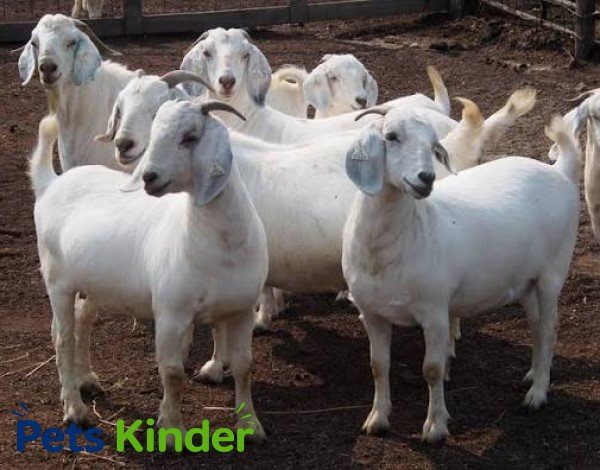
One of the most noticeable features of Savannah goats is their completely white coat, which helps reflect sunlight and provides protection in warm regions. They have strong legs, a muscular body, and a sturdy frame that supports efficient growth. Their physical design allows them to move easily across different terrains while searching for food.
Additionally, these goats are recognized for their friendly and manageable nature. They are generally calm, making them easier to handle compared with some more aggressive livestock breeds. Their combination of appearance, performance, and temperament has helped them become increasingly popular worldwide.
How Big Do Savannah Goats Get?
Many farmers ask, how big do Savannah goats get because size is an important factor when choosing livestock. Adult Savannah goats are considered medium to large-sized goats, with males typically growing larger than females. Mature bucks can reach impressive weights, while does generally remain slightly smaller but still maintain a strong and productive body structure.
Their size depends on genetics, nutrition, management practices, and overall health. A well-fed goat raised in a suitable environment will usually develop better muscle growth and stronger physical condition. Because of their efficient growth patterns, they are often valued for meat production.
Furthermore, their strong body structure gives them an advantage in areas where weather conditions and available resources may change throughout the year. Their natural toughness allows them to remain productive even under less-than-perfect farming conditions.
Temperament and Behavior of Savannah Goats
Savannah goats are appreciated not only for their physical qualities but also for their behavior. They are usually calm, intelligent, and easy to manage when handled properly from a young age. Their peaceful nature makes them a practical choice for farmers who want reliable animals that are not overly difficult to control.
These goats are naturally active and enjoy exploring their surroundings. They prefer environments where they can move, graze, and express normal goat behaviors. Providing enough space and enrichment helps reduce stress and supports better overall health.
Moreover, good handling practices create stronger relationships between goats and their owners. Regular interaction, proper feeding routines, and gentle care can make these animals easier to manage over time.
Diet and Nutrition Requirements
Proper nutrition plays a major role in keeping Savannah goats healthy and productive. These goats are natural browsers, meaning they enjoy eating a variety of plants, shrubs, leaves, and grasses. Their ability to utilize different types of vegetation makes them efficient animals for pasture-based farming systems.
However, a balanced diet requires more than just grazing. Farmers should provide access to clean water, minerals, and additional feed when pasture quality decreases. Pregnant does, growing kids, and breeding animals may require extra nutritional support to maintain good health.
Additionally, mineral deficiencies can affect growth, reproduction, and immune strength. Regular monitoring of body condition helps farmers adjust feeding programs and ensure their goats receive the nutrients they need throughout different life stages.
Housing and Daily Care Needs
Savannah goats are hardy animals, but they still require proper shelter and management. A clean, dry area protects them from extreme weather conditions and helps prevent health problems. Although they tolerate heat well, they need shade and protection during very hot periods.
Strong fencing is also important because goats are naturally curious and active. Secure boundaries prevent escapes and protect them from predators. Regular cleaning of living areas reduces the risk of parasites and infections.
Furthermore, routine care should include hoof trimming, parasite control, and health checks. Early attention to small problems can prevent larger issues and help maintain a productive herd.
Common Health Issues and Prevention
Although Savannah goats are known for their natural resistance and toughness, they can still experience health challenges. Common concerns include internal parasites, hoof problems, nutritional deficiencies, and respiratory issues. Proper management significantly reduces the chances of these problems becoming serious.
Regular veterinary care, vaccinations when needed, and good hygiene practices support long-term health. Farmers should observe changes in appetite, movement, and behavior because these signs may indicate underlying issues.
Additionally, maintaining a balanced diet and avoiding overcrowded conditions can improve overall herd wellness. Prevention is usually more effective and affordable than treating advanced health problems.
Savannah Goats Lifespan and Long-Term Farming Considerations
With proper care, Savannah goats can live many years and remain productive throughout a significant portion of their lives. Their lifespan depends on genetics, nutrition, environment, and healthcare quality. Responsible management allows these goats to maintain good health and continue contributing to a farm.
Because livestock ownership requires long-term planning, farmers should consider expenses related to feed, shelter, medical care, and breeding management. Choosing a hardy breed like this can reduce some challenges, but consistent attention is still necessary.
Over time, many owners appreciate these goats because they provide both practical value and an enjoyable farming experience. Their dependable nature makes them a rewarding addition to many agricultural settings.
Savannah Goats Price and Buying Considerations
The Savannah goats price can vary depending on factors such as age, genetics, location, breeding quality, and market demand. High-quality breeding animals usually cost more because they carry valuable traits that can improve future generations.
Before purchasing, buyers should evaluate the goat’s health, background, and physical condition. Responsible sellers should provide information about breeding history, vaccinations, and care practices. A careful buying decision helps farmers avoid unnecessary problems later.
People searching for Savannah goats for sale should also consider transportation, local farming conditions, and available resources. The cheapest option is not always the best choice, as healthier and well-managed animals often provide greater long-term value.
Famous Agricultural Influences and Animal Care Awareness
Many famous agricultural figures have helped promote responsible farming and better animal care practices. One well-known example is Temple Grandin, whose work in animal behavior and livestock handling has influenced modern approaches to improving animal welfare. Her research highlights the importance of understanding how animals think and respond to their environment.
Although her work focuses broadly on livestock, the principles apply to goat farming as well. Treating animals with proper care, reducing stress, and creating suitable living conditions can improve both animal wellbeing and farm success.
Final Thoughts on Raising Savannah Goats
Savannah goats are an excellent example of a livestock breed that combines strength, beauty, and practicality. Their adaptability, calm personality, and efficient growth make them valuable for farmers looking for dependable animals. However, success with these goats depends on responsible care, proper feeding, and consistent management.
Whether raised for farming, breeding, or sustainable livestock production, these goats can become a rewarding investment. Understanding their needs before ownership helps create healthier animals and a more successful farming experience for years to come.