Why This Ancient Breed Still Sets the Gold Standard for Fiber and Farming
If you have ever worn a soft, breathable sweater that didn’t itch or trap odor, chances are good it came from a Merino sheep. This breed has built its reputation over centuries, and it still dominates conversations among farmers, fiber artists, and homesteaders alike. Few animals manage to combine beauty, hardiness, and economic value the way the Merino sheep does, and that combination is exactly why so many people want to learn more before bringing one home.
A Breed With Deep Roots
The Merino sheep traces its origins back to Spain, where shepherds guarded the breed jealously for hundreds of years because of its prized fleece. Eventually, it spread to Australia, South Africa, and the Americas, where breeders refined the bloodlines further. Today, Australia produces a huge share of the world’s fine wool, and much of that success rests squarely on the shoulders of this breed. Its journey from a closely guarded Spanish secret to a global agricultural staple is genuinely remarkable.
Key Features and Characteristics
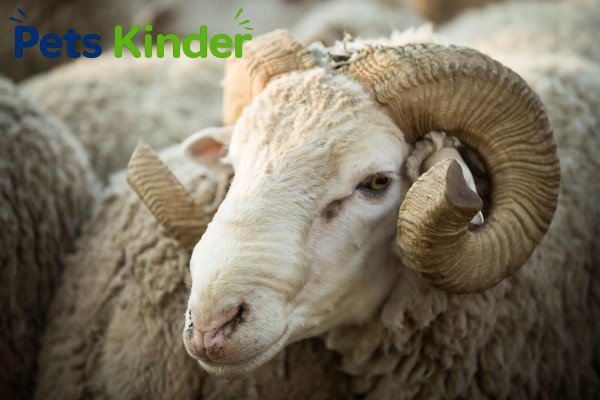
What makes a Merino sheep instantly recognizable is its dense, crimped fleece, which feels incredibly soft compared to wool from other breeds. The fibers are notably fine, often measured between 11 and 24 microns, and that fineness is precisely why the wool ends up in high-end clothing. Beyond the fleece, these sheep have a stocky, well-muscled build, expressive faces, and in many cases, distinctive skin folds that increase the surface area available for wool growth.
Merino Sheep Colors
While most people picture a brilliant white fleece, Merino sheep colors actually span a wider range than many expect. Breeders have developed natural color variations including black, brown, gray, and even multicolored patterns, which are especially popular among hand-spinners and fiber artists. These colored variants aren’t always treated the same way commercially since white wool dyes more easily, but demand for naturally colored fleece has grown steadily in niche markets.
Types of Merino Sheep
There isn’t just one version of this animal; rather, several types of Merino sheep have emerged depending on region and breeding goals. Fine wool Merinos produce the softest, most luxurious fiber, while strong wool Merinos yield coarser fleece suited for rugs and outerwear. Additionally, Peppin Merinos, originally developed in Australia, are known for excellent adaptability, and Rambouillet sheep, a French derivative, are often grouped alongside true Merino sheep due to shared ancestry.
Diet and Nutrition
Like most grazing animals, the Merino sheep thrives on a diet built around quality pasture, hay, and supplemental minerals. Because wool production demands significant protein and energy, farmers often adjust feed during shearing season or pregnancy to support healthy fleece growth. Clean water access matters just as much as forage quality, since dehydration quickly affects both wool yield and overall body condition in these animals.
Grain supplementation can help during colder months when pasture quality drops, but overfeeding grain risks digestive upset, including bloat. Most experienced shepherds rotate pastures regularly to prevent overgrazing and to reduce parasite buildup. A well-balanced diet directly influences fleece density and softness, so nutrition isn’t just about keeping the animal alive; it’s about protecting the very product that makes this breed so valuable.
Health, Care, and Common Issues
Merino sheep are generally hardy, but their heavy fleece and skin folds create unique care challenges that owners need to understand. Fly strike, a condition where flies lay eggs in moist, soiled wool, is one of the most serious threats, particularly in warm, humid climates. Regular shearing, careful tail docking, and routine inspections help prevent this painful and potentially fatal condition from taking hold.
Internal parasites also pose a recurring challenge, so deworming schedules and pasture rotation remain essential parts of responsible care. Hoof trimming, vaccination against common ovine diseases, and prompt attention to lameness round out a solid health routine. Because these sheep carry such thick wool, owners must watch closely for hidden injuries or skin issues that aren’t immediately visible beneath the fleece.
Characteristics, Lifespan, and Long-Term Considerations
A healthy Merino sheep typically lives between 10 and 12 years, though some individuals reach beyond that range with excellent care. Temperament-wise, these sheep tend to be calm, social, and relatively easy to handle, which makes them appealing even to newer livestock owners. However, their wool requires consistent management; skipping shearing isn’t an option, since overgrown fleece leads to overheating, mobility issues, and skin problems.
Long-term ownership also means planning around breeding cycles, fleece marketing, and seasonal care adjustments. Many owners find that raising this breed becomes a year-round rhythm rather than a seasonal hobby. Because of their economic value, these animals often represent a meaningful investment, so understanding their full lifecycle helps owners protect that investment for the long haul.
Merino Sheep Price and What Influences It
Merino sheep price varies widely depending on age, bloodline, fleece quality, and registration status. A basic commercial ewe might cost a few hundred dollars, while a champion-bloodline ram with exceptional fleece characteristics can command thousands. Buyers should also factor in transportation, health certifications, and ongoing care costs, since the upfront purchase price is rarely the full financial picture when raising Merino sheep.
If you’re searching for Merino sheep for sale, local livestock auctions, breed associations, and specialized ranches are typically the most reliable starting points. Reputable sellers usually provide health records, fleece samples, and lineage information, which helps buyers make informed decisions. Taking time to compare multiple listings often pays off, since fleece quality and temperament can vary significantly even within the same breed.
A Famous Name Connected to the Breed
Few figures embody hands-on agricultural curiosity quite like Joel Salatin, the well-known Virginia farmer and sustainable agriculture advocate. While Salatin is best recognized for his rotational grazing methods involving cattle and poultry, his broader philosophy around land stewardship resonates strongly with Merino sheep breeders who prioritize pasture health, animal welfare, and sustainable wool production over industrial shortcuts.
Final Thoughts
The Merino sheep remains one of agriculture’s most enduring success stories, blending centuries of selective breeding with modern demand for sustainable, high-quality fiber. Whether you’re drawn in by the variety of Merino sheep colors, curious about different types of Merino sheep, or simply researching Merino sheep price before a purchase, this breed rewards patience and proper care. For anyone exploring Merino sheep for sale, doing thorough research first will make the entire ownership experience far more rewarding.