Beetal Goats: The Powerhouse Breed Behind South Asia’s Dairy and Meat Industry Everything you need to know

What Are Beetal Goats, and Why Do They Matter?
Beetal goats are one of the most recognizable and valuable goat breeds in South Asia, prized for both milk and meat production. Farmers across the region rely heavily on Beetal goats because of their large body size, strong build, and impressive adaptability to hot climates. Unlike smaller dairy breeds, Beetal goats combine productivity with resilience, which is exactly why they’ve remained a top choice for commercial and backyard farming alike for generations.
Interestingly, even celebrated chef and travel storyteller Anthony Bourdain explored regional goat-based cuisines extensively throughout his career, often highlighting how breeds like Beetal goats shaped local food culture in Punjab and surrounding areas. His documentaries frequently touched on how livestock quality directly affects flavor and tradition, a connection that Beetal goat farmers have understood instinctively for centuries.
Beetal Goats Origin and History
The Beetal goats origin traces back to the Punjab region, spanning parts of present-day Pakistan and India. Historically, these goats developed through selective breeding aimed at maximizing both milk yield and body size, eventually becoming closely related to the well-known Jamnapari breed. Because of this shared ancestry, many people confuse the two, though Beetal goats typically display a more compact frame and slightly different facial structure.
Over time, breeders refined Beetal goats further, emphasizing traits like long, drooping ears and a distinctive Roman nose. These physical characteristics aren’t just cosmetic; they actually played a practical role in helping the breed thrive in warmer, humid environments. Consequently, Beetal goats are still considered a gold standard among dairy-focused goat breeds throughout South Asia today.
Where Are Beetal Goats Found In?
When people ask where Beetal goats found in terms of geography, the answer centers heavily around Punjab, both in Pakistan and India. However, the breed’s popularity has expanded well beyond its origin point. Today, Beetal goats found in various parts of the Middle East, parts of Africa, and even select farms in the United States, thanks to growing interest in dual-purpose livestock breeds among small-scale farmers.
Key Features and Physical Characteristics
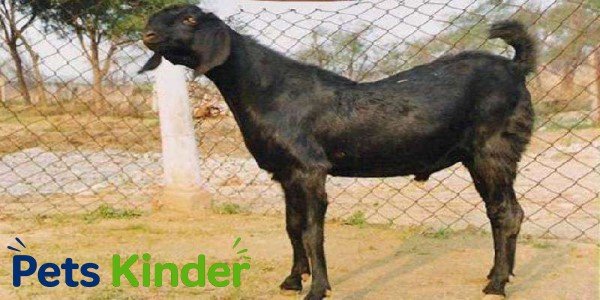
Beetal goats stand out immediately due to their large, muscular bodies and long legs, which give them a commanding presence compared to smaller breeds. Their coat colors vary widely, ranging from solid black and brown to spotted combinations, and their ears hang long and floppy, almost reaching jaw level. Males typically weigh between 130 and 175 pounds, while females average slightly less, making Beetal goats noticeably larger than many other domestic goat breeds.
Additionally, their Roman-nosed profile and alert expression make Beetal goats fairly easy to identify at a glance, even for those unfamiliar with goat breeds. Their horns curve backward and outward, adding to their sturdy, robust appearance. Altogether, these features reflect generations of breeding focused on hardiness, productivity, and adaptability to challenging agricultural environments.
Diet and Nutrition for Beetal Goats
Like most goat breeds, Beetal goats thrive on a varied diet that includes quality forage, legumes, and grains. Farmers typically supplement grazing with hay, silage, or fodder crops like alfalfa to support strong milk production. Because Beetal goats are larger than average, they require slightly more daily feed volume to maintain healthy weight and consistent dairy output, especially during lactation periods.
Clean water access matters just as much as solid food, since dehydration can quickly reduce milk yield and overall energy levels. Mineral supplements, particularly calcium and phosphorus, also play a crucial role in supporting bone strength and reproductive health. Without proper nutrition, Beetal goats can struggle to reach their full genetic potential, which directly impacts both farm profitability and animal wellbeing.
Health, Care, and Common Issues
Beetal goats are generally hardy animals, but they’re not immune to common goat health concerns like parasites, respiratory infections, and hoof problems. Regular deworming schedules and routine hoof trimming go a long way toward preventing more serious complications down the road. Because Beetal goats are often raised in humid climates, owners should monitor closely for signs of foot rot or skin infections, especially during rainy seasons.
Vaccinations against diseases like enterotoxemia and pneumonia remain essential parts of responsible Beetal goat care. Furthermore, routine veterinary checkups help catch issues early, before they escalate into costly or life-threatening conditions. Proper shelter, ventilation, and clean bedding also significantly reduce disease risk, allowing Beetal goats to maintain strong health throughout their productive years.
Beetal Goats for Sale: What Buyers Should Know
If you’re searching for Beetal goats for sale, it’s important to evaluate the seller’s breeding practices and animal health records before committing to a purchase. Reputable breeders typically provide vaccination history, parentage details, and clear documentation of milk or meat performance. Buying from unverified sources increases the risk of acquiring goats with hidden health issues or poor genetic background.
Beetal Goats Price: What Determines the Cost?
The Beetal goats price varies significantly depending on age, lineage, gender, and intended purpose. Breeding-quality males with strong pedigree typically command higher prices than standard market animals. Generally speaking, Beetal goats price ranges widely across regions, influenced heavily by local demand, feed costs, and overall breed availability. Buyers should always compare multiple sellers before finalizing any purchase decision.
Characteristics, Lifespan, and Long-Term Considerations
Beetal goats typically live between 10 and 12 years when properly cared for, though some animals surpass that range under ideal conditions. Their productive dairy years usually span several seasons, making them a worthwhile long-term investment for serious farmers. Longevity depends heavily on consistent nutrition, preventive healthcare, and a stress-free living environment throughout the animal’s life.
Ultimately, Beetal goats represent far more than just livestock; they embody generations of careful breeding aimed at balancing productivity with resilience. Owners who invest in proper care, nutrition, and veterinary attention typically see strong returns in milk yield, meat quality, and overall herd health. For anyone considering livestock farming, Beetal goats remain one of the most dependable and rewarding breeds available today.
Final Thoughts
From their Punjab origins to their growing global presence, Beetal goats continue proving why they’re considered one of South Asia’s most valuable livestock breeds. Whether you’re researching Beetal goats for sale or simply curious about their characteristics, understanding their needs ensures better outcomes for both the animal and the farmer. With proper care, Beetal goats can deliver years of reliable productivity and genuine agricultural value.