The Russian Tortoise: The Toughest Little Reptile You’ll Ever Fall in Love With

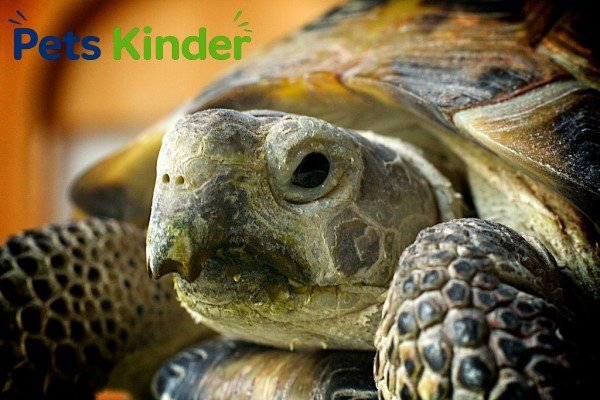
Walk into any reputable reptile store, and there’s a good chance you’ll spot a small, stocky tortoise bulldozing its way through a pile of leafy greens with surprising determination. That’s almost certainly a Russian tortoise and if you stop to watch for even a few minutes, you’ll understand immediately why this species has become one of the most popular pet tortoises in the world. They’re personable, hardy, endlessly entertaining, and just the right size for most households. But they also come with real responsibilities, and understanding this animal fully before bringing one home makes all the difference.
What Is a Russian Tortoise?
The Russian tortoise (Agrionemys horsfieldii), also commonly called the Horsfield’s tortoise or the Central Asian tortoise, originates from the arid steppes, rocky hillsides, and semi-desert regions of Central Asia. Its native range stretches across parts of Russia, Kazakhstan, Afghanistan, Iran, Pakistan, and northwestern China. These are extreme environments scorching summers, bitterly cold winters, and very little water. The fact that this tortoise evolved in such harsh conditions explains a great deal about its personality and care requirements.
In the wild, Russian tortoises spend a significant portion of their lives underground. They dig deep burrows to escape temperature extremes and enter both hibernation (during winter) and estivation (during intense summer heat). This burrowing instinct is deeply hardwired and doesn’t disappear in captivity. Give a Russian tortoise soft substrate and enough space, and it will dig with impressive speed and commitment.
Tortoise vs Turtle: Understanding the Difference
Before going further, it’s worth addressing a question that comes up constantly among new reptile owners: tortoise vs turtle what’s actually the difference? The short answer is that all tortoises are turtles, but not all turtles are tortoises. “Turtle” is the broad umbrella term for all members of the order Testudines, while “tortoise” specifically refers to land-dwelling members of the family Testudinidae.
The practical differences are significant. Tortoises have thick, elephantine legs built for walking on land, dome-shaped shells, and no webbing between their toes. Turtles and terrapins, by contrast, tend to have flatter shells, webbed feet or flippers, and spend much of their time in or near water. Russian tortoises are firmly in the tortoise camp they’re land animals through and through and should never be placed in deep water. A shallow dish for soaking is appropriate; anything more is dangerous.
Key Physical Characteristics
Size, Shell, and Appearance
The Russian tortoise is a compact species, which is one of the reasons it suits captive life well. Adults typically reach 6 to 10 inches in shell length, with females running noticeably larger than males. Males tend to have longer tails and slightly concave plastrons (the flat underside of the shell), while females are rounder and broader overall.
The shell, or carapace, is usually tan to olive-brown with dark brown or black markings on each scute. The pattern varies between individuals, giving each tortoise a subtly unique appearance. The skin is rough and yellowish-brown, and the toes four on each foot, which is actually a distinguishing feature compared to many other tortoise species end in thick, blunt claws ideal for digging.
Personality and Behavior
One of the most endearing qualities of the Russian tortoise is its bold, curious personality. Unlike some reptiles that spend most of their time hiding, Russian tortoises are active and interactive. They recognize their owners over time, approach feeding hands with enthusiasm, and explore their enclosures with genuine curiosity. They push against walls, climb over obstacles, and investigate anything new introduced into their space.
That said, they’re also easily stressed by overhandling. Short, calm interaction sessions are preferable to long holding periods. Respect the animal’s signals if it retreats into its shell or hisses, it’s asking to be left alone.
Diet and Nutrition
What to Feed a Russian Tortoise
Diet is one of the most critical components of Russian tortoise care, and it’s also one of the most commonly misunderstood. These tortoises are strict herbivores, and their natural diet consists almost entirely of tough, fibrous vegetation grasses, weeds, and wild plants with low moisture content and high fiber. This background shapes everything about their nutritional needs in captivity.
The foundation of a healthy captive diet should be leafy greens and edible weeds. Dandelion greens, endive, escarole, collard greens, mustard greens, and various grasses are excellent staples. Rotating through a wide variety ensures a broader nutritional profile and prevents dietary boredom. Timothy hay or orchard grass can supplement the diet and helps maintain healthy gut motility.
Foods to Avoid
Fruits should be offered only rarely, if at all. Russian tortoises in the wild rarely encounter fruit, and their digestive systems aren’t designed to process high-sugar foods regularly. Spinach, kale, and beet greens contain oxalates that can interfere with calcium absorption and should only be offered occasionally. Protein-rich foods meat, insects, dog food are entirely inappropriate for this species and can cause serious kidney damage over time. Always provide a calcium supplement, typically in the form of cuttlebone or powdered calcium dusted onto food several times per week.
Health, Care, and Common Issues
Enclosure and Environment
Russian tortoises need more space than most first-time owners expect. Outdoors is ideal in climates with warm summers a secure tortoise table or garden pen with a minimum of 4 by 8 feet gives a single tortoise room to roam, thermoregulate, and express natural behaviors. Indoors, a large wooden tortoise table or a modified stock tank works well. Glass aquariums trap humidity and restrict ventilation, making them a poor choice for this arid-adapted species.
Temperature gradients matter enormously. A basking spot of 90–95°F paired with a cooler end of 70–75°F allows the tortoise to self-regulate. UVB lighting is non-negotiable for indoor enclosures without it, Russian tortoises cannot synthesize vitamin D3, which leads directly to metabolic bone disease. A 10–12 hour light cycle mimicking natural daylight keeps the animal’s rhythms healthy.
Common Health Problems
Respiratory Infections — Kept in overly humid or poorly ventilated conditions, Russian tortoises are prone to respiratory infections. Symptoms include wheezing, open-mouth breathing, nasal discharge, and lethargy. A reptile-experienced vet should evaluate any tortoise showing these signs promptly, as infections can escalate quickly.
Metabolic Bone Disease (MBD) — Inadequate UVB exposure or calcium deficiency leads to soft, deformed shells and weak bones. MBD is entirely preventable with proper lighting and supplementation, but it’s unfortunately common in poorly kept tortoises. Early intervention significantly improves outcomes.
Parasites — Wild-caught Russian tortoises, which unfortunately still appear in the trade, almost always carry internal parasites. Even captive-bred animals can develop parasitic infections. Annual fecal exams by a qualified reptile vet are a sound preventive practice and catch problems before they become serious.
Shell Rot — Damp substrate combined with minor shell injuries creates ideal conditions for bacterial or fungal shell rot. Keeping the enclosure appropriately dry and inspecting the shell regularly helps catch this issue early, when it’s most treatable.
Hibernation Considerations
Russian tortoises naturally hibernate, and replicating this cycle in captivity for healthy, well-established animals supports long-term health and natural hormonal rhythms. However, hibernating a sick, underweight, or recently acquired tortoise is dangerous. New owners should work closely with a reptile vet to assess their animal’s readiness before attempting hibernation. For tortoises kept at stable temperatures year-round indoors, many keepers choose to skip hibernation entirely, which is generally safe for most captive specimens.
Lifespan and Long-Term Considerations
How Long Do Russian Tortoises Live?
Here’s the part of the conversation that deserves serious attention before anyone buys or adopts a Russian tortoise: these animals live a very long time. In captivity, Russian tortoises routinely reach 40 to 50 years, and some individuals have been documented living past 80 years with proper care. This isn’t a pet you’re choosing for a few years for many owners, this is a lifelong commitment, and potentially a decision that outlives you.
Responsible ownership means planning for the long term. Many tortoise owners include their animals in their estate plans, arranging for their care with trusted friends, family members, or reptile sanctuaries. This level of forethought might sound extreme, but it’s genuinely appropriate for an animal with this kind of lifespan.
Rewarding Every Step of the Way
Despite the commitment involved, Russian tortoise ownership is deeply rewarding. These animals develop recognizable personalities, respond to their caregivers, and thrive visibly when their needs are met. Watching a well-kept Russian tortoise graze confidently in an outdoor enclosure on a warm afternoon, or seeing it emerge enthusiastically at feeding time, delivers a quiet but genuine satisfaction. The investment of time, knowledge, and care pays off in a companion that’s unlike anything else in the reptile world.