Tiny But Mighty: The Ultimate Guide to Choosing Small Aquarium Fish for Your Tank

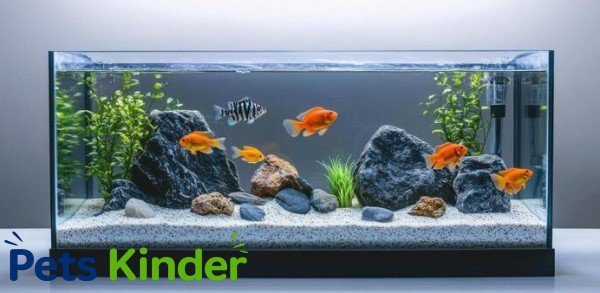
Whether you’re setting up your very first tank or you’ve been in the hobby for years, small aquarium fish hold a special kind of appeal. They’re colorful, active, relatively easy to care for, and perhaps most importantly they don’t demand a 200-gallon setup to thrive. A well-chosen community of small fish can turn even a modest 10-gallon tank into a living, breathing work of art.
But not all small fish are created equal. Some are peaceful community dwellers; others are surprisingly aggressive. Some are hardy enough for beginners; others demand near-perfect water parameters. So before you fall in love with whatever catches your eye at the pet store, let’s break down everything you actually need to know about keeping small aquarium fish the right way.
Why Small Aquarium Fish Are So Popular
It’s no mystery why the most popular small aquarium fish dominate the hobby. They’re accessible. You don’t need a massive budget or a dedicated fish room to keep them happy. A small fish species typically stays under three inches in length, which means a 5- to 20-gallon tank can comfortably house a thriving community.
Beyond practicality, small fish are simply stunning. Species like the neon tetra flash electric blue and red under aquarium lighting. The betta fish fans out its silk-like fins in shades that no painter could replicate. Even humble guppies come in an almost endless variety of tail shapes and color patterns. When you understand which types of small aquarium fish suit your goals and your tank setup, the hobby becomes genuinely rewarding rather than frustrating.
Types of Small Aquarium Fish Worth Knowing
There are dozens of types of small aquarium fish available in the hobby today, ranging from timid schooling species to bold centerpiece fish. Here’s a breakdown of the most notable categories and species within each.
Tetras — The Schooling Superstars
Tetras are among the best small aquarium fish for community tanks, and for good reason. They’re peaceful, hardy, and visually striking in groups of six or more. The neon tetra (Paracheirodon innesi) is perhaps the most iconic, growing to about 1.5 inches and thriving in soft, slightly acidic water around 72–78°F. The ember tetra is an even smaller option, topping out at just three-quarters of an inch perfect for nano tanks.
Cardinal tetras offer a similar look to neons but with more vibrant red extending the length of the body. Black skirt tetras are slightly larger and add dramatic contrast to a planted tank. Most tetras accept high-quality flake food, micro pellets, and occasional live or frozen foods like daphnia or bloodworms. They’re omnivores, so a varied diet keeps them in peak condition.
Common Health Issues in Tetras
Tetras are prone to neon tetra disease, a parasitic condition caused by Pleistophora hyphessobryconis that has no known cure. Prevention is key always quarantine new fish and avoid buying tetras that look pale or swim erratically. Ich (white spot disease) is another frequent problem, treatable with aquarium salt or over-the-counter medications if caught early. Tetras generally live two to five years under proper care.
Livebearers — Hardy and Beginner-Friendly
Guppies, platies, mollies, and swordtails all belong to the livebearer family, and they consistently rank among the most popular small aquarium fish in the world. Unlike egg-layers, livebearers give birth to free-swimming fry, which makes breeding almost inevitable and endlessly fascinating.
Guppies thrive in a wide range of water conditions, accept virtually any food, and come in hundreds of color morphs. Platies are slightly stockier and equally easygoing. Mollies prefer slightly hard, alkaline water and tolerate a bit of aquarium salt better than most species. All livebearers are omnivores that do well on quality flake food supplemented with vegetable matter like spirulina flakes.
Health Concerns for Livebearers
Livebearers are vulnerable to a condition called “wasting disease,” often caused by internal parasites or mycobacterial infections. Symptoms include a hollow belly despite a good appetite, curved spine, or lethargy. Maintaining clean water with regular partial water changes about 25% weekly dramatically reduces disease risk. Most livebearers live two to four years, though some guppy strains bred for extreme fin length tend to have shorter lifespans due to the genetic pressures of selective breeding.
Bettas — The Showpiece Fish
The betta (Betta splendens) is arguably the most recognizable of all the best small aquarium fish. Males are fiercely territorial toward each other and must be housed alone or with peaceful, non-nippy tank mates. However, a single male betta in a well-planted 5- to 10-gallon tank can be genuinely breathtaking.
Bettas are carnivorous and need a protein-rich diet. High-quality betta pellets form the core of their nutrition, supplemented with freeze-dried or frozen bloodworms, daphnia, and brine shrimp. Avoid overfeeding their stomachs are roughly the size of their eye, and constipation is a surprisingly common problem in this species.
Betta Health and Lifespan
Bettas typically live two to five years, though some reach six or seven with excellent care. They’re susceptible to fin rot, velvet (a parasitic infection that looks like gold dust on the fins), and swim bladder disorders. Clean, warm water between 76–82°F, a gentle filter, and a stress-free environment go a long way toward preventing most of these issues. Bettas sold in cups at pet stores are often already stressed, so a proper quarantine period before introducing them to a display tank is strongly recommended.
Rasboras and Danios — Active Mid-Water Swimmers
Harlequin rasboras, chili rasboras, and galaxy rasboras (also called celestial pearl danios) are among the most visually stunning types of small aquarium fish for planted tanks. The chili rasbora maxes out at less than an inch and looks like a tiny ember drifting through the water column. Celestial pearl danios display polka-dot patterning and vivid orange fins they’re almost unreal in person.
Zebra danios are slightly larger and nearly bulletproof in terms of hardiness. They’re one of the few small fish that can handle a wide temperature range and even tolerate slightly cooler water, making them ideal for unheated tanks in warm climates. All of these species do best in groups of at least six and accept a varied omnivorous diet similar to tetras.
Corydoras — The Underrated Bottom Dwellers
No list of the best small aquarium fish would be complete without corydoras catfish. These armored bottom-dwellers max out between one and three inches depending on the species, and they spend their days sifting through the substrate in search of food. Pygmy corydoras (Corydoras pygmaeus) stay under an inch and often swim in the mid-water column, which is unusually endearing behavior for a “bottom feeder.”
Corydoras are social fish and should always be kept in groups of at least four, ideally six or more. They thrive on sinking pellets, wafers, and frozen foods like bloodworms. Fine-grained substrate sand or smooth gravel is essential to protect their sensitive barbels.
Corydoras Health and Lifespan
Corydoras are generally quite hardy, but they’re sensitive to poor water quality and certain medications, particularly those containing copper. Barbel erosion is a common sign of bacterial infection caused by dirty substrate. With proper care, most corydoras species live five to ten years making them one of the longest-lived small fish in the freshwater hobby.
General Care Tips for Small Aquarium Fish
Regardless of the species you choose, a few fundamentals apply across the board. Stable water parameters matter far more than perfect ones wild swings in temperature or pH stress fish more than slightly suboptimal but consistent conditions. Always cycle your tank before adding fish, use a reliable filter rated for at least double your tank’s volume, and perform regular water changes.
Feed small fish two to three times daily in amounts they can consume within two to three minutes. Overfeeding pollutes the water rapidly in smaller tanks. Variety in diet flakes, pellets, frozen or live foods supports immune health and brings out natural coloration. And always quarantine new fish for two to four weeks in a separate tank before introducing them to your main display. It’s one of the simplest habits you can develop, and it prevents the majority of disease outbreaks before they start.
Final Thoughts
The world of small aquarium fish is vast, vibrant, and endlessly rewarding. Whether you’re drawn to the schooling elegance of tetras, the hardy charm of livebearers, the dramatic beauty of a betta, or the industrious nature of a corydoras, there’s a perfect species or combination of species waiting for your tank. The key is doing your homework before you buy, matching your fish choices to your tank size and water parameters, and committing to consistent care. Do that, and your small aquarium fish will reward you with years of color, movement, and genuine joy.