Discover their personality, care needs, health requirements, and what makes them beloved pets
Understanding Parakeets and Their Unique Appeal
Parakeets are among the most popular pet birds in the world, loved for their bright colors, playful personalities, and ability to form strong bonds with humans. These small parrots are known for their curiosity, social nature, and impressive intelligence. Whether you are a first-time bird owner or an experienced enthusiast, understanding their behavior and needs is essential for creating a happy and healthy environment.
Originally found in parts of Australia and other regions, these birds have adapted well to life as companion animals. Their manageable size, cheerful sounds, and interactive nature make them an excellent choice for many households. However, owning a bird requires commitment, patience, and knowledge about proper care.
Key Features and Characteristics of Parakeets
Appearance, Personality, and Behavior
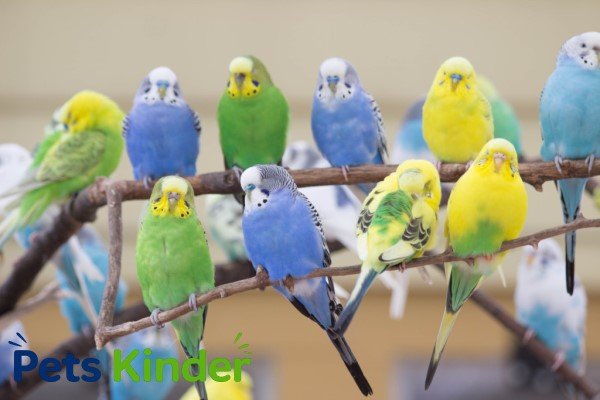
Parakeets are recognized for their slender bodies, long tails, and vibrant feather patterns. They come in a wide range of colors, including green, blue, yellow, white, and combinations of multiple shades. Their appearance is one reason they have become such attractive pets for bird lovers.
One of the most appealing traits of these birds is their personality. Many Parakeets are energetic, friendly, and eager to interact with their owners. With regular handling and positive reinforcement, they can learn simple words, sounds, and tricks. Their intelligence allows them to recognize familiar people and routines, making them engaging companions.
These birds are also highly social. In the wild, they live in flocks, so they naturally seek companionship and stimulation. A bird that receives attention, toys, and mental challenges is more likely to remain active and content.
Diet and Nutrition Requirements
A balanced diet is one of the most important parts of keeping a healthy pet bird. Parakeets require a combination of quality bird food, fresh vegetables, fruits, and occasional treats to support their energy levels and overall health.
A good daily diet often includes specially formulated pellets designed to provide essential vitamins and minerals. Seeds can be included but should not be the only food source because an all-seed diet may lead to nutritional deficiencies. Fresh vegetables such as leafy greens, carrots, and bell peppers can provide important nutrients, while small amounts of safe fruits can add variety.
Clean drinking water should always be available and replaced regularly. Avoid feeding harmful foods such as chocolate, avocado, caffeine, alcohol, and foods high in salt or sugar. Proper nutrition helps support strong feathers, healthy digestion, and a stronger immune system.
Health, Care, and Common Issues
Creating a Safe and Healthy Environment
A comfortable living space plays a major role in the well-being of a pet bird. A spacious cage with appropriate bar spacing, perches of different sizes, toys, and areas for movement helps encourage natural behaviors. Regular cage cleaning is important because poor hygiene can increase the risk of illness.
Parakeets can hide signs of sickness, so owners should pay close attention to changes in behavior. Reduced activity, changes in eating habits, unusual droppings, feather problems, or breathing difficulties may indicate a health concern.
Common Health Problems and Diseases
Common problems in Parakeets may include respiratory infections, nutritional deficiencies, feather-related issues, and parasites. Birds that experience stress, poor diet, or an unclean environment may be more vulnerable to illness.
Regular veterinary checkups with an avian specialist can help detect problems early. Preventive care, proper nutrition, and good hygiene are key factors in maintaining a long and healthy life. Owners should also avoid exposing birds to harmful fumes from cooking, cleaning products, or smoke, as their respiratory systems are sensitive.
Characteristics, Lifespan, and Long-Term Considerations
Pet Parakeets can bring years of companionship when they receive consistent care and attention. Their lifespan often depends on genetics, diet, environment, and overall healthcare. With proper conditions, many can live for several years, and some may reach even longer lifespans.
Before bringing one home, potential owners should consider the long-term responsibility involved. Birds need daily interaction, regular feeding, cage maintenance, and mental stimulation. They are not low-maintenance pets that can be ignored for long periods.
Keeping Parakeets happy also means understanding their emotional needs. They enjoy social interaction and may become lonely or stressed without enough attention. Providing safe toys, training sessions, and opportunities to explore can improve their quality of life.
Building a Strong Bond With Your Bird
Developing trust takes time, especially with a new bird. Gentle handling, calm communication, and consistent routines help create a positive relationship. Avoid forcing interaction, as patience is essential when helping a bird feel comfortable.
Training can also strengthen the connection between owner and pet. Simple activities such as teaching commands, encouraging step-up behavior, or offering rewards for positive actions provide both mental and physical exercise.
Every bird has its own personality. Some may be outgoing and talkative, while others may be quieter and more reserved. Learning to recognize individual preferences helps owners provide better care.
Final Thoughts on Caring for Parakeets
Parakeets are fascinating companion birds that combine beauty, intelligence, and personality in a small package. Their playful behavior and ability to connect with people make them rewarding pets for dedicated owners.
Providing proper nutrition, a clean environment, regular health monitoring, and plenty of interaction can help these birds thrive. With commitment and understanding, a pet bird can become a cherished member of the family and bring joy for many years.