Before You Buy Guinea Hens: The Honest, Complete Guide Every Keeper Needs to Read First

There’s a moment most new guinea hen owners share standing in the yard, coffee in hand, watching these bizarre, spotted birds sprint across the grass in a tight cluster, screaming at absolutely nothing. And somehow, despite the noise and the chaos and the sheer alien weirdness of them, you think: “I love these things.” Guinea hens have been winning over farmers, homesteaders, and backyard poultry keepers for centuries, and the reasons go well beyond novelty. They’re excellent pest controllers, surprisingly effective alarm systems, and genuinely fascinating to observe. But they’re also loud, stubborn, and wildly different from chickens in ways that catch a lot of first-time keepers completely off guard. This guide covers everything the good, the challenging, and the genuinely unexpected.
What Are Guinea Hens and Where Do They Come From?
Origins and Domestication
Guinea hens the females of the guinea fowl species are native to the open savannas and grasslands of West Africa. The Helmeted Guinea Fowl (Numida meleagris) is by far the most commonly domesticated variety and the one you’ll encounter on most farms and homesteads across North America. Humans have kept these birds for thousands of years, and they spread across Europe through trade routes long before becoming a staple of American rural life. Today, they occupy a unique space in the poultry world domesticated enough to raise in a managed setting, yet wild enough at heart that they never quite lose their instinct to roam, forage, and make their opinions loudly known.
Physical Characteristics
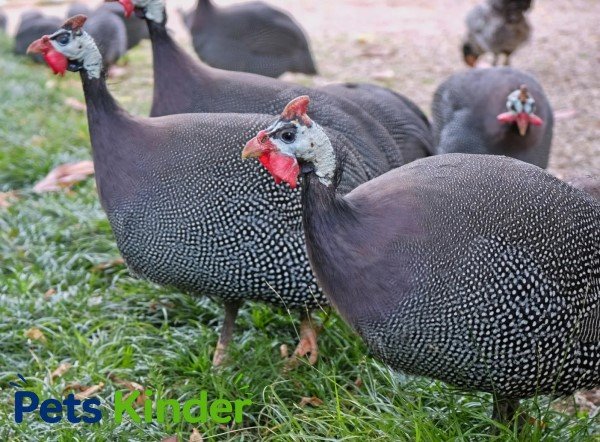
Guinea hens are immediately recognizable once you’ve seen a few. They have round, plump bodies covered in slate-gray feathers dotted with white spots a pattern that’s both beautiful and surprisingly effective as camouflage in tall grass. Their heads are small, bare-skinned, and helmet-topped with a hard bony casque, giving them an almost prehistoric appearance that some people find endearing and others find deeply unsettling. Males and females look nearly identical, which trips up a lot of beginners. The most reliable way to tell them apart is by sound more on that shortly and by the slightly larger wattles on mature males.
Key Features and Characteristics
The Natural Pest Controllers of the Poultry World
One of the primary reasons people bring guinea hens onto their property is tick control, and the birds genuinely deliver on this front. Studies have shown that guinea fowl consume enormous quantities of ticks, including deer ticks that carry Lyme disease. Beyond ticks, they go after grasshoppers, beetles, flies, small snakes, and a wide variety of garden pests all while doing significantly less scratching damage to garden beds than chickens. Their foraging style involves pecking precisely at insects on the surface rather than digging, which makes them surprisingly garden-friendly when managed properly.
Behavior and Flock Dynamics
Guinea hens are intensely social animals that operate best in groups. Keeping a single guinea fowl is generally considered unkind they’re flock creatures to their core, and an isolated bird becomes stressed, vocal, and miserable. A group of six or more tends to function much more cohesively, establishing a loose hierarchy and moving through the landscape as a coordinated unit. They’re also remarkably alert. Their eyesight is exceptional, and they respond to anything unusual a hawk overhead, an unfamiliar dog at the fence line, a plastic bag blowing in from the neighbor’s yard with immediate, vocal alarm. This makes them outstanding living security systems, though it does mean they’re not exactly compatible with noise-sensitive neighbors.
Guinea Hen Sound: Understanding Their Vocal Language
The Call That Defines the Species
No honest guide to guinea hens can avoid addressing the sound situation head-on. The guinea hen sound is loud, repetitive, and carries an impressive distance often up to a quarter mile or more under the right conditions. The signature alarm call is a two-syllable cry that many keepers describe as sounding like “buck-wheat, buck-wheat” repeated insistently until whatever triggered the alarm is gone or until the bird simply gets bored, whichever comes first. This call is produced exclusively by females, which is actually the most reliable way to distinguish hens from males. Males produce a one-syllable “chi-chi-chi” sound instead.
Reading the Sounds
Beyond the famous alarm call, guinea hens produce a surprisingly varied repertoire of sounds depending on mood and circumstance. Soft, rolling churrs indicate contentment while foraging. Sharp, staccato calls signal genuine danger predator presence, an intruder, or flock separation. If you spend enough time with a group of guinea hens, you’ll start to distinguish between “mildly concerned” calls and “something is actually wrong” calls, and that skill becomes genuinely useful for monitoring flock safety without constant visual checks.
Guinea Hen Chicks: Raising Keets From the Start
What Makes Keets Different
Baby guinea fowl are called keets, and raising guinea hen chicks successfully requires understanding one critical fact upfront: keets are far more fragile than baby chickens. They’re sensitive to cold, prone to drowning in even shallow water dishes, and prone to piling on top of each other and suffocating when stressed or chilled. Despite these vulnerabilities, they grow at an impressive rate and develop their adult feathering and characteristic spotted pattern within the first few months of life.
Brooder Setup and Early Care
Guinea hen chicks need a brooder temperature of around 95°F for the first week, dropping by approximately 5°F each subsequent week until they’re fully feathered typically around six to eight weeks old. Use shallow waterers with marbles or pebbles in the base to prevent drowning accidents, which are heartbreakingly common in keets. Feed them a high-protein gamebird starter (28–30% protein) rather than standard chick starter, as their nutritional needs are higher than chickens during early development. Keeping them indoors until fully feathered and then transitioning them gradually to outdoor life dramatically improves survival rates.
Imprinting and Bonding
One of the most important things you can do with guinea hen chicks is handle them frequently from the earliest days. Guinea fowl that don’t receive regular human contact during their first weeks of life tend to become wild and difficult to manage as adults. Imprinted keets that associate humans with safety and food are infinitely easier to herd, catch when needed, and keep within a manageable range of the property. This window of opportunity is short, so consistent early handling pays dividends for years.
Guinea Hen Egg: Production, Taste, and What to Expect
Laying Habits and Seasonality
The guinea hen egg is a somewhat different proposition than the chicken egg most people are used to. Guinea hens are seasonal layers, producing eggs primarily from spring through early fall in alignment with increasing daylight hours. Unlike chickens that have been selectively bred for year-round production, guinea fowl retain much of their natural reproductive cycle. A productive guinea hen typically lays between 80 and 160 eggs per season, and they strongly prefer to lay in hidden, ground-level nests often communal ones that multiple hens contribute to, tucked away in tall grass or brush.
Taste, Size, and Culinary Use
The guinea hen egg is noticeably smaller than a standard chicken egg, roughly two-thirds the size, with a thicker, harder shell that requires a bit more force to crack. Inside, the yolk is proportionally larger and richer in color, and the flavor is often described as richer and slightly more intense than a chicken egg closer in character to a duck egg but milder. Chefs and food enthusiasts prize them for baking and for applications where a richer yolk makes a visible difference. Nutritionally, guinea fowl eggs offer a solid protein profile and higher yolk-to-white ratio than chicken eggs.
Diet and Nutrition
Natural Foraging and Supplemental Feed
In a free-range setting, guinea hens are remarkably self-sufficient foragers. They cover significant ground each day, consuming insects, seeds, greens, and small invertebrates with impressive efficiency. However, free-range foraging alone rarely meets all their nutritional needs, particularly during winter when insect populations drop. Supplementing with a quality poultry feed containing 16–18% protein keeps adult birds in good condition. During molt typically in late fall temporarily bumping protein content to 20% or above supports feather regrowth. Always provide fresh, clean water; guinea hens drink frequently and can decline quickly without reliable access to it.
Grit, Greens, and Calcium
Like all poultry, guinea hens need access to grit to properly digest the seeds and harder food items they consume. Offer insoluble grit (granite grit) free-choice alongside their feed. Laying hens specifically benefit from supplemental calcium, either through oyster shell offered separately or through a layer-formulated feed. Fresh greens — kale, lettuce, grass clippings — make excellent supplemental treats that support overall health without disrupting the balance of their primary diet.
Health, Care, and Common Issues
Routine Health Management
Guinea hens are genuinely hardy birds compared to many other poultry species. They tolerate heat well and handle cold reasonably, though they need a dry, draft-free shelter to retreat to in wet or freezing conditions. Their minimal housing requirements a simple coop with roost bars positioned higher than you’d use for chickens, since guinea fowl naturally roost high make them relatively low-cost to accommodate. Regular checks for external parasites (mites and lice), respiratory symptoms, and weight changes catch most health problems before they escalate.
Common Health Problems
Respiratory illness represents one of the more common health challenges in guinea fowl flocks, often triggered by wet conditions, poor ventilation, or introduction of new birds without quarantine. Mycoplasma infections cause chronic respiratory symptoms rattling breathing, nasal discharge, lethargy and spread quickly through a flock. Blackhead disease, caused by the protozoan parasite Histomonas meleagridis, is a serious concern for guinea hens kept alongside turkeys, as turkeys act as a reservoir. Internal parasites including roundworms and cecal worms warrant periodic fecal monitoring and, when indicated, targeted deworming. Predation, however, remains the leading cause of guinea hen mortality foxes, hawks, raccoons, and dogs all pose real threats, particularly to birds that range freely.
Predator Management and Coop Safety
Because guinea hens’ instinct is to roam widely and roost in trees if given the choice, managing their safety requires deliberate strategy. Training them to return to a secure coop at night ideally starting when they’re young keets that imprint on the coop as “home” is the single most effective way to reduce predator losses. Electric poultry fencing around pasture areas adds a meaningful layer of protection during the day. Consistent evening routines, combined with a secure coop with hardware cloth rather than standard chicken wire, protect the flock through the highest-risk overnight hours.
Lifespan and Long-Term Considerations
How Long Do Guinea Hens Live?
Under good management conditions, guinea hens typically live between 10 and 15 years a lifespan that significantly exceeds most chicken breeds and surprises many first-time keepers. This longevity is worth factoring into your decision to raise them. A guinea hen you acquire as a keet may still be producing eggs and patrolling your pasture a decade later. Older hens gradually reduce egg production but continue to contribute meaningfully to flock dynamics, pest control, and predator alerting well into their senior years.
Planning for the Long Haul
Committing to guinea hens means committing to ongoing management securing them nightly, providing winter shelter and supplemental feed, monitoring flock health, and replacing birds lost to predation or age over time. Their social nature means you should always maintain a flock size of at least four to six birds to prevent stress from isolation. Flock dynamics shift as birds age and die, so planning occasional additions to maintain group cohesion is part of responsible long-term guinea fowl keeping.
Guinea hens aren’t the easiest birds to keep, and they’ll never pretend to be. But for the right property and the right keeper, they offer a genuinely remarkable combination of utility, entertainment, and character that few other animals can match. Whether it’s the spotted beauty of a free-ranging flock, the rich flavor of a guinea hen egg on your breakfast plate, the hilarious chaos of guinea hen chicks racing around a brooder, or the unmistakable guinea hen sound announcing dawn from across the pasture these birds have a way of getting under your skin in the best possible way.