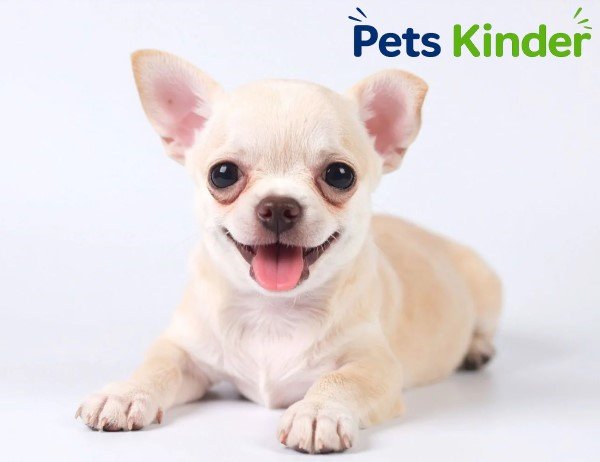
There’s something almost unfair about a Chihuahua puppy. One glance at those oversized ears, those bright button eyes, and that impossibly small frame, and most people are done for. The decision is made before logic even gets a chance to weigh in. And honestly? That’s not always a bad thing as long as you go in knowing what you’re actually signing up for. A Chihuahua puppy is not just a cute accessory or a lap warmer. It’s a full-fledged dog with real needs, real emotions, and a personality that will absolutely catch you off guard.
This guide covers everything from what makes these tiny dogs tick to how to keep one healthy, happy, and thriving for the long haul.
What Defines a Chihuahua Puppy
Personality and Temperament from Day One
Don’t let the size fool you. A Chihuahua puppy comes wired with the confidence of a much larger dog, and it shows from an early age. These puppies are sharp, observant, and deeply loyal sometimes to a fault. They tend to bond intensely with one person and can be a little suspicious of strangers until they’ve had time to warm up. That’s not aggression; it’s discernment. They’re selective with their trust, and once you’ve earned it, you’ve earned it completely.
They’re also surprisingly vocal. Chihuahua puppies learn quickly that barking gets attention, so setting boundaries early matters more than most new owners realize. Socialization in the first few months shapes their entire adult personality, so exposing your puppy to different sounds, faces, environments, and animals early on is one of the best investments you can make.
Key Physical Characteristics
Apple Head vs. Deer Head
Chihuahuas generally fall into two head shape categories the apple head, with its domed, rounded skull and shorter snout, and the deer head, which features a longer nose and a more angular face. The apple head is the official breed standard for show dogs, but both types are equally lovable as pets. Physically, Chihuahua puppies are the smallest recognized dog breed in the world, with most adults weighing between 2 and 6 pounds at maturity.
Coat Types and Coloring
You’ll find Chihuahua puppies in either smooth (short) or long coat varieties. Short-coated puppies have a sleek, close-lying coat that’s a breeze to maintain. Long-coated puppies have soft, feathered fur around the ears, chest, and tail that gives them a slightly more dramatic look. Both are equally affectionate and energetic. Coat colors range widely from fawn, cream, black, and chocolate to merle, brindle, and parti-color combinations.
Diet and Nutrition for a Chihuahua Puppy
Feeding Schedule and Frequency
A Chihuahua puppy has a metabolism that runs hot and fast, and a stomach that holds very little. Because of this, young puppies need to eat three to four small meals throughout the day rather than one or two large ones. This isn’t just about appetite it’s about preventing hypoglycemia, or dangerously low blood sugar, which is a serious and common risk in toy breeds. Skipping meals or going too long between feedings can lead to lethargy, shaking, and in severe cases, seizures.
Choosing the Right Food
Always choose a high-quality puppy formula designed specifically for small or toy breeds. These foods are calorie-dense in a way that matches a growing Chihuahua’s energy demands without requiring large portion sizes. A named protein chicken, salmon, turkey, or beef should appear as the first ingredient. Steer clear of foods that lead with corn, wheat, or vague terms like “meat meal.” Because dental disease is such a common issue in this breed, dry kibble can help reduce plaque, though it should work alongside regular brushing rather than replace it. Always keep fresh water available, and be mindful of treats even small amounts can tip the scale toward obesity in such a tiny dog.
Health, Care, and Common Issues
Staying Proactive About Your Puppy’s Health
Chihuahua puppies are resilient in many ways, but they carry a few breed-specific vulnerabilities that owners should take seriously. Understanding these conditions doesn’t mean preparing for disaster it means being the kind of informed owner who catches problems early and responds quickly.
Hypoglycemia
As noted above, low blood sugar is the most immediate health concern for young Chihuahua puppies. Keeping a small jar of honey or corn syrup nearby for emergencies is smart, but a vet visit is non-negotiable if your puppy shows symptoms. Regular, timed meals are the most effective prevention strategy available.
Dental Disease
Chihuahuas have tiny mouths packed with a full set of teeth, and that crowding creates the perfect environment for tartar, plaque, and gum disease. Dental problems in this breed often progress faster than in larger dogs. Start brushing your puppy’s teeth as early as possible daily brushing with dog-safe toothpaste is the gold standard. Plan on professional cleanings as your dog ages. Left untreated, dental disease doesn’t just affect the mouth; it can eventually damage the heart and kidneys.
Patellar Luxation
This condition, where the kneecap slips out of alignment, is extremely common in small breeds. Mild cases may only produce occasional lameness or a hopping stride. More severe cases require surgical correction. Reputable breeders screen their dogs for this condition, so always ask about orthopedic health clearances when selecting a puppy.
Heart Conditions and Tracheal Collapse
Chihuahuas are prone to heart murmurs and mitral valve disease, particularly in their later years. Annual vet visits that include cardiac monitoring are essential. Additionally, tracheal collapse a condition where the windpipe weakens and narrows can cause a chronic honking cough. Switching from a collar to a harness is a simple and effective preventive measure that every Chihuahua owner should make immediately.
The Molera
Many Chihuahua puppies are born with a soft spot on the top of their skull, known as a molera. It’s similar to the fontanel in human newborns and often closes as the puppy matures. In some dogs, it remains open for life. Either way, extra care during handling especially with young children is absolutely necessary to avoid head injuries.
Daily Care Routine
Short-coated Chihuahuas need little more than a weekly brush and an occasional bath. Long-coated varieties benefit from brushing every few days to prevent mats around the ears and neck. Both types need nail trims every two to three weeks, regular ear checks, and eye wiping to keep discharge from accumulating in the corners. Despite their small size, Chihuahua puppies benefit from daily physical activity short walks and indoor play sessions keep them physically fit and mentally stimulated.
Celebrity Connections: Hollywood’s Favorite Tiny Dog
The Chihuahua puppy has long enjoyed a special place in the spotlight, partly because so many celebrities have chosen this breed as their companion of choice. Paris Hilton famously carried her Chihuahua, Tinkerbell, everywhere she went in the early 2000s, arguably turning the breed into a cultural phenomenon. Reese Witherspoon, Demi Moore, and Marilyn Monroe have all been devoted Chihuahua owners throughout the years. Marilyn Monroe’s Chihuahua, Josefa, was a constant companion during some of the actress’s most iconic years in Hollywood. More recently, celebrities like Hilary Duff and Jennifer Lopez have been spotted with their beloved Chihuahuas, keeping the breed firmly rooted in popular culture. This star-studded history hasn’t just made the Chihuahua a fashion statement it’s driven genuine interest in the breed and introduced millions of people to what is genuinely one of the most devoted and charismatic dogs on the planet.
Lifespan and Long-Term Considerations
A Dog That Grows With You
One of the most compelling things about bringing home a Chihuahua puppy is the sheer length of the journey ahead. Chihuahuas are among the longest-lived dog breeds, with most healthy individuals reaching 14 to 17 years of age. Some make it well past that. What that means in practical terms is that adopting a Chihuahua puppy today is a commitment that extends deep into the next chapter of your life and possibly the one after that.
Aging Gracefully
As your Chihuahua moves into senior years typically around age 10 you’ll notice a gradual slowdown in energy, possible changes in hearing or vision, and increasing importance of dental and cardiac care. Joint stiffness may emerge, particularly in dogs with a history of patellar issues. Transitioning to a senior-appropriate diet, keeping vet appointments consistent, and adjusting exercise intensity all contribute meaningfully to quality of life in those later years. Despite these changes, senior Chihuahuas often remain alert, affectionate, and deeply engaged with their families.
Training for the Long Game
Because these dogs live so long and are so emotionally intelligent, investing in training early pays dividends for years. Chihuahua puppies respond beautifully to positive reinforcement short, fun sessions with clear rewards work far better than repetitive drills. Teaching boundaries, social skills, and basic commands in puppyhood prevents a long list of behavioral problems from developing as they age.
Is a Chihuahua Puppy the Right Fit for You?
A Chihuahua puppy is one of the most rewarding companions you can bring into your home if you go in ready. They need consistent care, early socialization, thoughtful nutrition, and regular veterinary attention. In return, they offer fierce loyalty, endless personality, and a bond that’s genuinely hard to replicate with any other breed. They’re not just small dogs. They’re big experiences in a very small package, and for the right owner, there is truly nothing quite like them.