Bearded Goat: A Complete Guide to Its Origin, Care, Characteristics, and Farming Value

Understanding the Bearded Goat and Its Unique Appeal
The bearded goat is a fascinating animal admired for its distinctive appearance, strong personality, and important role in farming communities. With its noticeable beard, sturdy body, and adaptable nature, this goat has gained attention among livestock owners and animal enthusiasts. Many people appreciate goats because they are intelligent, hardy, and capable of thriving in different environments when provided with proper care.
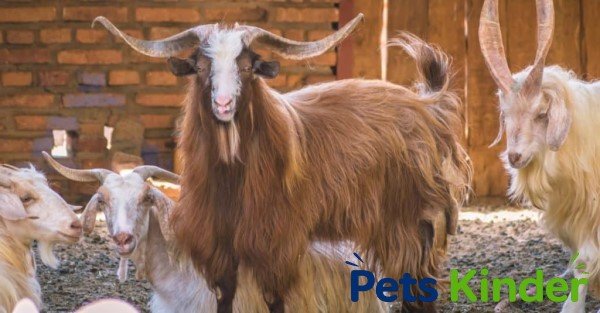
The appearance of the bearded goat often makes it stand out among other goat varieties. Its facial hair, expressive eyes, and confident posture give it a unique charm that attracts farmers and hobby keepers alike. Beyond its appearance, this animal offers practical benefits, including milk production, breeding opportunities, and land management through grazing.
History and Bearded Goat Origin
Understanding the bearded goat origin helps explain why this animal developed such strong survival abilities. Many traditional goat varieties with prominent beards come from regions where goats adapted to challenging climates, limited resources, and rough landscapes. Over generations, selective breeding helped maintain traits such as resilience, independence, and efficient feeding habits.
The exact background can vary depending on the specific variety being discussed because several goat breeds are known for having impressive beards. However, the common connection among these animals is their long history alongside humans. Farmers have valued goats for centuries because they require less space than larger livestock while still providing useful agricultural benefits.
The bearded goat breed is often recognized for its combination of beauty and usefulness. Some varieties are raised mainly for milk, some for meat production, and others for breeding or ornamental purposes. Their versatility has helped them remain popular in both small farms and larger agricultural operations.
Physical Features and Characteristics of the Bearded Goat
One of the most noticeable traits of the bearded goat is, of course, its beard. Male goats usually develop more prominent facial hair, although some females may also show smaller beards depending on genetics. This feature gives them a mature appearance and contributes to their popularity among people who enjoy keeping unique livestock animals.
The body structure of this goat usually reflects strength and adaptability. Many bearded goats have strong legs, a balanced frame, and a thick coat that helps them handle different weather conditions. Their size can differ based on genetics, breed type, and nutrition, but most are active animals that enjoy exploring their surroundings.
Another important characteristic is their intelligence. Goats are naturally curious and can learn routines quickly. The bearded goat often displays playful behavior and may form strong connections with its caretakers. Because of this, owners should provide both physical space and mental stimulation to keep the animal healthy and comfortable.
Diet and Nutrition Requirements
A healthy diet is essential for maintaining the growth, energy, and overall condition of a bearded goat. Like other goats, it mainly depends on grasses, leaves, hay, and other plant materials. A balanced feeding plan helps support proper digestion and prevents nutritional deficiencies that can affect growth and productivity.
Fresh forage should make up a major part of their diet whenever possible. Additionally, owners may provide mineral supplements, especially in areas where soil lacks certain nutrients. Clean drinking water should always be available because hydration plays a major role in maintaining good health.
Although goats are often considered easy livestock animals, they still require careful feeding management. Overfeeding grain or providing poor-quality food can lead to digestive problems. Therefore, understanding the nutritional needs of the specific goat variety is important for long-term success.
Care, Health, and Common Problems
Proper care helps a bearded goat live a healthier and more productive life. These animals need a clean shelter, secure fencing, and enough space to move freely. Since goats are naturally active, keeping them in small or uncomfortable areas can increase stress and negatively affect their behavior.
Routine health care includes hoof trimming, parasite control, vaccinations, and regular observation. Common health concerns may include internal parasites, respiratory infections, digestive issues, and hoof-related problems. Early detection is important because small changes in behavior or appetite can indicate underlying health concerns.
Grooming also plays a role in maintaining their condition. Regular brushing helps remove dirt and loose hair, especially in goats with longer coats. Additionally, checking the beard area, skin, and hooves allows owners to identify possible problems before they become serious.
Lifespan and Long-Term Considerations
A well-cared-for bearded goat can live many years, often reaching around 10 to 15 years depending on genetics, environment, and overall management. Providing proper nutrition, veterinary care, and a stress-free living space greatly improves their quality of life.
Before bringing one home, potential owners should understand that goats are social animals. They often do better when they have companionship because isolation can lead to boredom and stress. Responsible ownership includes planning for daily care, feeding needs, and future health requirements.
The bearded goat is not only a farm animal but also a commitment. While they can be rewarding to raise, they require consistent attention and proper management. Their playful nature and unique appearance make them enjoyable animals for those prepared to meet their needs.
Buying Considerations and Bearded Goat Price
Many people research bearded goat price before deciding to purchase one. The cost can vary depending on breed quality, age, location, health condition, and purpose. A goat raised for breeding may have a different value compared with one kept as a companion or general farm animal.
When searching for a bearded goat for sale, buyers should focus on health and responsible breeding practices rather than choosing only based on price. A healthy animal should have a good body condition, clear eyes, normal movement, and a history of proper care.
It is also important to consider additional expenses beyond the purchase price. Feed, shelter improvements, medical care, and maintenance costs contribute to the total investment. Planning ahead helps owners provide better care and avoid unexpected challenges.
Famous Appreciation for Animals and Livestock
Many well-known personalities have encouraged people to respect animals and understand their importance. For example, Temple Grandin, a famous animal behavior expert, has spent much of her career improving animal welfare practices and helping people understand livestock behavior. Her work has influenced how farmers and animal caretakers approach responsible animal management.
Her message reflects a broader idea that understanding animals leads to better care. Whether raising goats, caring for pets, or managing farms, knowledge and compassion are essential parts of responsible ownership.
Final Thoughts on Raising a Bearded Goat
The bearded goat represents a combination of beauty, usefulness, and adaptability. Its unique appearance, intelligent behavior, and ability to adjust to different environments make it a valuable animal for many owners. However, successful care requires proper planning, nutrition, health monitoring, and commitment.
For anyone interested in livestock, learning about this goat’s needs is the first step toward responsible ownership. With the right environment and attention, a bearded goat can become a healthy, productive, and enjoyable part of a farm or homestead.