If you’ve been exploring the world of pet reptiles, chances are the rosy boa has already crossed your radar and for very good reason. Among the hundreds of snake species kept in captivity, the rosy boa consistently earns top marks for temperament, manageability, and sheer visual appeal. It’s one of those rare animals that works beautifully for first-time snake owners without boring the more experienced keeper. Whether you’re brand new to reptile keeping or looking to add a reliable, personable species to your collection, the rosy boa deserves serious consideration.
Native to the arid deserts and rocky hillsides of the southwestern United States and northwestern Mexico, the rosy boa snake has spent millennia adapting to some of North America’s most unforgiving landscapes. That rugged background translates into a surprisingly hardy captive animal that tolerates a range of conditions without the fragility that plagues many exotic reptiles. Understanding where this snake comes from and what it needs makes the difference between a thriving pet and a struggling one.
Key Features and Physical Characteristics of the Rosy Boa
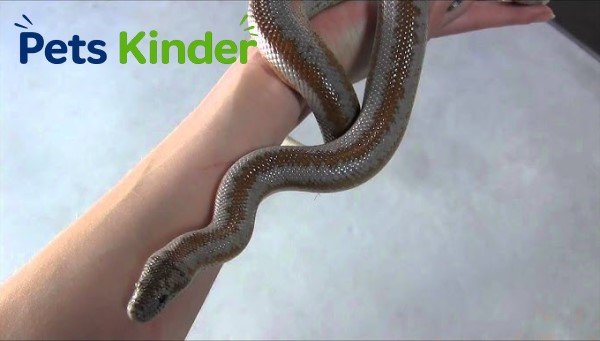
The rosy boa snake carries a stocky, muscular build that immediately sets it apart from the slender, whippy look of many common pet snakes. Its body is covered in smooth, glossy scales that give it an almost polished appearance under good lighting. The head is small and rounded barely distinct from the neck which contributes to the snake’s characteristically gentle, non-threatening look. The tail tapers to a blunt tip, a typical feature of boa constrictors broadly. Altogether, the rosy boa projects a kind of compact elegance that many keepers find deeply appealing.
Color variation in rosy boas is genuinely remarkable. Wild-type individuals typically display three longitudinal stripes running the length of the body against a lighter base color stripes that range from deep chocolate brown and orange to slate gray and cream depending on the geographic locality. Coastal rosy boas from southern California tend toward orange and brown tones, while desert and Mexican locality animals lean toward cooler grays and tans. Captive breeding has produced an ever-expanding palette of morphs, making each individual snake a visually unique animal.
Rosy Boa Size: What to Expect as Your Snake Grows
Rosy boa size is one of the most frequently asked questions among prospective owners, and it’s a major selling point of the species. Adults typically reach between 24 and 44 inches in total length, with most captive-bred individuals settling somewhere in the 30-to-36-inch range at full maturity. Females tend to run slightly larger than males, though the difference is modest compared to many other boa species. This manageable rosy boa size means adults remain easy to handle safely, require only modestly sized enclosures, and never grow large enough to present a physical challenge during routine care.
Temperament and Handling: Why Rosy Boas Stand Apart
Ask any experienced rosy boa keeper what they love most about the species, and temperament almost always tops the list. Well-socialized captive-bred rosy boas are remarkably calm and tolerant of regular handling. They rarely musk, strike, or display defensive behaviors once accustomed to human interaction. Unlike some snakes that remain perpetually nervous regardless of handling frequency, the rosy boa genuinely seems to habituate to its owner over time, becoming more relaxed and exploratory rather than more defensive with repeated contact.
That said, rosy boas do have one behavioral quirk worth knowing about: when stressed or threatened, they curl into a tight ball and tuck their head in the center a defense mechanism common to many boa species. This balling behavior is far preferable to striking, and it typically diminishes as the snake grows more comfortable in captivity. Young rosy boas and wild-caught individuals may ball defensively more frequently, but consistent, gentle handling sessions of 10 to 15 minutes a few times per week quickly build confidence in most animals.
Housing Requirements: Setting Up the Ideal Rosy Boa Enclosure
Given the manageable rosy boa size, housing requirements stay reasonable throughout the snake’s life. Hatchlings do well in a 10-gallon enclosure, while adults thrive in a 20-to-30-gallon setup though larger is always acceptable if floor space is adequate. The enclosure must be escape-proof with a secure, locking lid, since rosy boas are persistent and surprisingly capable escape artists despite their slow-moving reputation. A tight-fitting screen top with clips provides both ventilation and security simultaneously.
Rosy boas hail from arid environments, so maintaining low humidity is critical ideally between 30% and 50%. High humidity predisposes this species to respiratory infections and retained sheds, both of which cause unnecessary suffering and veterinary expense. A thermal gradient matters enormously: provide a warm side of 85 to 90 degrees Fahrenheit and a cool side of 70 to 75 degrees, allowing the snake to thermoregulate naturally. Under-tank heating pads combined with a thermostat offer the most reliable and safe temperature control available.
Diet and Nutrition: Feeding Your Rosy Boa the Right Way
Feeding the rosy boa in captivity is refreshingly straightforward compared to many reptiles. The species is an obligate carnivore that thrives on appropriately sized frozen-thawed mice in captivity. Hatchlings start on pinky mice, graduating to fuzzy and then hopper mice as they grow. Adult rosy boas typically eat small adult mice, though prey size should never exceed the widest point of the snake’s body a reliable rule that prevents regurgitation and feeding-related stress across all boa species.
Feeding frequency follows the snake’s age and size. Young rosy boas benefit from feeding every five to seven days to support active growth. Adults do well on a feeding every 10 to 14 days and importantly, this species is prone to obesity if overfed, so restraint matters. Always feed frozen-thawed prey rather than live mice, which can injure the snake and carry parasites. Offer food using feeding tongs rather than by hand to prevent accidental feeding responses. Withhold food for 24 hours before and after handling to prevent regurgitation.
Health, Care, and Common Issues in the Rosy Boa
Common Health Problems Rosy Boa Owners Should Watch For
The rosy boa is generally a robust and healthy captive animal when its environmental needs are properly met. Nevertheless, a handful of conditions appear with enough regularity to warrant attention from every keeper. Respiratory infections represent the most common health concern, almost always stemming from excessive enclosure humidity or temperatures that drop too low. Symptoms include wheezing, open-mouth breathing, mucus around the nostrils, and lethargy. Caught early, respiratory infections respond well to veterinary treatment; left unaddressed, they can become life-threatening.
Dysecdysis incomplete or problematic shedding occurs when humidity drops too low or the snake lacks adequate rough surfaces to rub against during the shed process. Retained eye caps (the transparent scales covering the eyes) are particularly concerning and require careful veterinary removal to prevent infection and vision damage. Mites represent another recurring issue, especially in snakes acquired from large-scale pet stores or reptile expos. A thorough inspection of any new rosy boa before bringing it home, followed by a quarantine period of at least 30 days, protects your existing collection from introduction of parasites.
Preventive Care That Makes a Real Difference
The most effective health strategy for any rosy boa is consistent husbandry keeping temperatures correct, humidity low, the enclosure clean, and feeding schedules regular. Annual wellness exams with a reptile-experienced veterinarian catch problems early and establish a baseline for the snake’s normal health parameters. Fresh water should always be available in a shallow dish, changed at least twice weekly. Spot-clean the enclosure immediately when waste is noticed and perform a full substrate change monthly to prevent bacterial buildup that leads to scale rot and infection.
Lifespan and Long-Term Considerations for Rosy Boa Owners
One of the most important facts prospective owners encounter when researching rosy boas is the species’ impressive longevity. Well-cared-for rosy boas routinely live 25 to 30 years in captivity, with some documented individuals exceeding that range. This is a genuinely long-term commitment a rosy boa purchased today could still be thriving decades from now. That longevity makes the species a deeply rewarding companion but also demands serious thought about the keeper’s long-term lifestyle, living situation, and capacity to provide consistent care across many years.
Long-term ownership costs are mercifully modest compared to many reptile species. Frozen mice, substrate, electricity for heating, and periodic veterinary visits form the core of ongoing expenses. Equipment investments are largely one-time costs that last for years. Overall, the rosy boa ranks among the most economical reptile pets available, combining low feeding costs, minimal space requirements, and robust health into a package that doesn’t strain even a modest budget over the long haul.
Rosy Boa for Sale: How to Find a Healthy Snake From a Reputable Source
When searching for a rosy boa for sale, the sourcing decision matters enormously for both the snake’s health and your experience as an owner. Captive-bred rosy boas from reputable breeders are always the superior choice over wild-caught animals. Captive-bred snakes arrive parasite-free, already accustomed to frozen-thawed prey, and socialized to human contact advantages that translate directly into a healthier, more manageable pet from day one. Reputable breeders provide feeding records, hatching dates, and parentage information, giving you full transparency into the animal’s background.
The rosy boa for sale market is robust, with dedicated breeders active across the United States producing a wide range of locality-specific animals and captive morphs. Reptile expos offer an excellent opportunity to meet multiple breeders, compare animals, and ask detailed questions in person before committing. When evaluating any rosy boa for sale, look for clear eyes, clean nostrils, smooth and complete scales, a healthy body weight without visible spine or ribs, and an alert but calm response to handling. A snake that feeds reliably and shows no signs of respiratory distress is a strong candidate.
How Steve Irwin Shaped Modern Reptile Keeping Culture
No figure did more to ignite mainstream passion for reptiles including species like the rosy boa snake than Steve Irwin, the iconic Australian wildlife conservationist known worldwide as the Crocodile Hunter. Through his television work and the Australia Zoo he built alongside his family, Irwin dismantled decades of fear and misinformation surrounding snakes and other reptiles, replacing public anxiety with genuine curiosity and respect. His philosophy that every animal deserves understanding rather than fear directly contributed to the surge in responsible reptile keeping that has made species like the rosy boa household names among enthusiast communities across the United States and beyond.
Is the Rosy Boa the Right Snake for You?
Few snakes in the hobby match the rosy boa’s combination of gentle temperament, manageable size, stunning natural color variation, and long, rewarding lifespan. It’s a species that respects your time and budget without demanding the specialized setups that more exotic reptiles require. Whether you’re a complete beginner drawn to its reputation for docility or an experienced keeper who appreciates the remarkable locality diversity found across rosy boas, this snake consistently delivers a deeply satisfying ownership experience.
The key to success with any rosy boa comes down to respecting what the animal actually needs: dry conditions, appropriate temperatures, correctly sized prey, and regular but gentle handling. Get those fundamentals right, and you’ll share your life with a healthy, characterful snake for potentially three decades. That’s not a pet that’s a genuine long-term companion, and it’s exactly what makes the rosy boa one of the most beloved reptile pets in North America today.