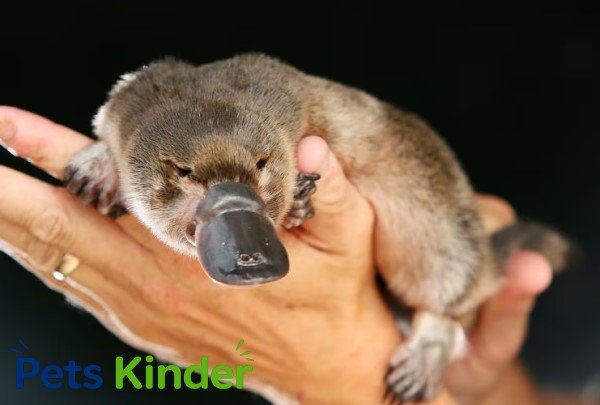
Few creatures on Earth spark as much curiosity and disbelief as the platypus. When European scientists first encountered a specimen in 1799, many assumed it was a hoax a bizarre taxidermy prank stitched together from different animals. And honestly, who could blame them? The platypus carries a duck-like bill, a beaver-shaped tail, webbed feet, and lays eggs despite being a mammal. Even after centuries of scientific study, this remarkable animal continues to challenge everything we think we know about nature.
Native to eastern Australia and Tasmania, the platypus occupies a truly unique space in the animal kingdom. It belongs to a group called monotremes the only mammals that reproduce by laying eggs rather than giving birth to live young. With just five surviving monotreme species in the world, the platypus stands as one of evolution’s most fascinating experiments. Understanding this animal means stepping outside conventional thinking and embracing just how wonderfully weird life on Earth can get.
What Makes the Platypus So Physically Extraordinary
The duck billed platypus earns its colorful nickname immediately upon first glance. That wide, rubbery bill isn’t just for show it functions as a highly sensitive electroreceptor, detecting the faint electrical fields produced by the muscle movements of underwater prey. This ability, known as electroreception, makes the platypus one of the very few mammals capable of hunting without using sight, sound, or smell while submerged. It closes its eyes, ears, and nostrils underwater and relies entirely on its bill to navigate and catch food.
Additionally, the platypus has a streamlined, torpedo-like body covered in dense, waterproof fur that traps air to provide insulation in cold waters. Its broad, flat tail stores fat reserves crucial for surviving harsh winters. The webbed front feet power it through the water with surprising agility, while the back feet steer like rudders. On land, those webbed feet fold back to reveal strong claws ideal for burrowing. The platypus truly looks like nature assembled it from leftover parts and it works brilliantly.
The Platypus Stinger: A Hidden Weapon You Never Expected
Here’s where things get even stranger. Male platypuses carry a platypus stinger a hollow, curved spur located on each hind ankle, connected to a venom gland in the thigh. The platypus stinger delivers platypus venom that, while not lethal to humans, causes excruciating pain that can last for weeks or even months. Swelling, hyperalgesia (extreme sensitivity to pain), and muscle weakness are all documented effects. Interestingly, standard painkillers like morphine reportedly provide little relief from platypus venom, making it the subject of active medical research.
Scientists believe males use the platypus stinger primarily during the breeding season to compete with rival males rather than for predator defense. The composition of platypus venom is fascinatingly complex it contains over 80 different toxin types, including defensin-like peptides unique to the platypus. Researchers have begun studying these compounds for potential medical applications, including pain management and diabetes treatment, because platypus venom contains a version of the hormone GLP-1 that remains far more stable than the human version.
Diet and Nutrition: What Does a Platypus Actually Eat?
The platypus is a carnivore with a hearty appetite, consuming roughly 20% of its body weight in food every single day. It dives repeatedly into rivers, streams, and lakes to forage for freshwater invertebrates. Aquatic insect larvae, worms, shrimp, yabbies (freshwater crayfish), and small fish all make up its diet. What makes feeding even more remarkable is that the platypus has no teeth as an adult. Instead, it uses hardened keratin pads in its bill to grind up food, storing prey in cheek pouches while it continues hunting.
Because of this high metabolic demand, a platypus typically spends 10 to 12 hours each day foraging underwater. Consequently, access to clean, prey-rich waterways is absolutely vital to its survival. Pollution, habitat destruction, and drought represent serious threats to the platypus’s food supply, which in turn affects its ability to maintain body condition, especially during breeding season and through winter. Protecting water quality is therefore inseparable from protecting the platypus itself.
Platypus Eggs and the Astonishing Life of a Baby Platypus
The reproduction of the platypus defies mammalian convention entirely. After mating, a female platypus lays one to three platypus eggs leathery, soft-shelled eggs about the size of a marble, far more similar to reptile eggs than bird eggs. She incubates the platypus eggs by curling around them with her tail for roughly 10 days. During this time, she barely leaves the burrow, relying on fat stores to survive. The incubation period is notably short compared to most egg-laying species.
When a baby platypus hatches, it’s called a puggle and it’s barely the size of a lima bean. The baby platypus is hairless, blind, and completely dependent on its mother. Since the platypus lacks nipples, the mother secretes milk directly through pores in her skin, and the puggle laps it from fur patches on her abdomen. This unusual nursing method is another defining characteristic of monotremes. A baby platypus stays in the burrow for about three to four months before eventually venturing into the water for the first time.
Health, Care, and Common Issues Facing the Platypus Today
Diseases and Threats Affecting Wild Populations
One of the most alarming health threats to wild platypuses is a disease caused by the fungal pathogen Mucor amphibiorum, which produces large, ulcerating lesions on the skin. This condition, sometimes called platypus disease, can severely impair movement, reduce foraging ability, and ultimately lead to death if untreated. Disturbingly, this pathogen appears unique to Tasmania in the wild, though researchers continue to monitor its spread. Entanglement in discarded fishing gear, netting, and yabby traps also causes significant injury and drowning deaths annually.
Furthermore, climate change poses a growing long-term threat to platypus populations. Prolonged droughts reduce river flows and lower water quality, shrinking the habitat these animals depend on. Flooding events can destroy burrows and scatter populations. Scientists at the University of New South Wales have modeled scenarios suggesting that without significant conservation intervention, platypus numbers could decline by as much as 47–66% over the next 50 years. That’s a sobering figure for a species already listed as vulnerable in parts of its range.
Conservation Efforts and What Actually Helps
Conservation programs across Australia focus on improving water quality, removing invasive species, and installing wildlife-friendly yabby traps to reduce accidental drowning. Organizations like the Platypus Conservancy conduct population monitoring and public education campaigns. In captivity, platypuses are notoriously difficult to keep and breed, making successful captive programs extremely rare. The Healesville Sanctuary in Victoria remains one of the few facilities in the world to successfully breed platypuses in a controlled environment, providing invaluable insights into their reproductive biology.
Lifespan, Characteristics, and Long-Term Survival Outlook
In the wild, a platypus typically lives between 11 and 17 years, though captive individuals have reached their early 20s under ideal conditions. Males generally grow to about 50 cm in body length and weigh up to 3 kg, while females are noticeably smaller, usually around 43 cm and 1.7 kg. They are largely solitary and crepuscular, meaning they’re most active at dawn and dusk. Each individual defends a stretch of waterway as its territory, with males occupying longer home ranges than females.
One of the most remarkable long-term traits of the platypus is its genome. Scientists sequenced its genetic code in 2008 and found it contains elements of mammal, bird, and reptile DNA a biological echo of its ancient lineage. The platypus lineage split from other mammals roughly 166 million years ago, making it a living window into early mammalian evolution. As a result, studying the platypus doesn’t just tell us about one unusual animal it illuminates the evolutionary origins of all mammals, including humans.
Sir David Attenborough and the Platypus: A Story of Wonder
Perhaps no one has done more to bring the magic of the platypus to global audiences than Sir David Attenborough, the legendary British naturalist and broadcaster. Throughout his decades-long career documenting life on Earth, Attenborough has repeatedly highlighted the platypus as a symbol of nature’s boundless creativity. In various BBC documentaries, he has described it as evidence that evolution doesn’t follow a tidy rulebook that life finds extraordinary paths we never anticipate. His ability to convey genuine awe about animals like the platypus has inspired millions of people worldwide to care about wildlife conservation.
Final Thoughts: Why the Platypus Deserves Our Protection
The platypus is, without question, one of the most extraordinary animals alive today. From its electroreceptive bill and egg-laying reproduction to its venomous platypus stinger and the helpless baby platypus that grows from a marble-sized egg into a skilled aquatic predator, every aspect of this animal defies expectation. It has survived for millions of years precisely because evolution equipped it so ingeniously. However, the modern threats it faces habitat loss, pollution, and climate change are moving faster than evolution can respond.
Ultimately, the platypus reminds us that the natural world is stranger, richer, and more precious than we often give it credit for. Supporting clean waterway initiatives, reducing plastic waste, and backing wildlife conservation funding are all concrete ways everyday people can help protect this irreplaceable creature. The world would be a far duller, poorer place without the platypus in it and we have every reason to make sure it stays.