There are few reptiles on Earth that command attention quite like the frilled lizard. The moment it fans out that dramatic neck frill and stands its ground, it looks less like a modern animal and more like something that wandered out of a prehistoric landscape. That theatrical display is exactly why this lizard has captured the imagination of wildlife lovers, reptile keepers, and casual nature fans alike for generations.
What Is a Frilled Lizard?
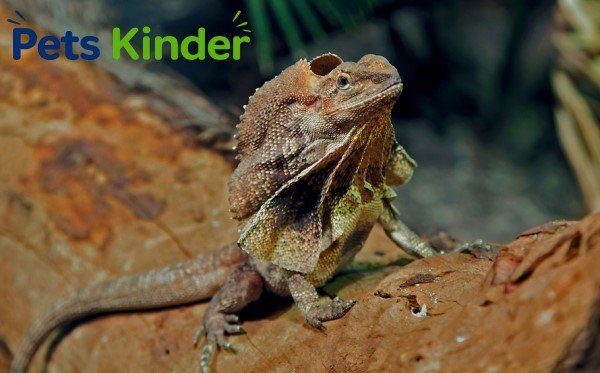
The frilled lizard (Chlamydosaurus kingii) is a large arboreal reptile native to the tropical and warm temperate forests of northern Australia and southern New Guinea. It belongs to the family Agamidae and holds the distinction of being one of the most visually dramatic lizards in the world. Locals in Australia sometimes call it the frillneck lizard or frilly, and it has earned iconic status as one of Australia’s most recognizable wildlife symbols it even appeared on the Australian two-cent coin until 1991.
What makes this lizard genuinely fascinating is not just its appearance. Its behavioral repertoire, hunting strategy, and remarkable physical adaptations make it one of the most interesting reptiles a person can study or keep.
Frilled Lizard Habitat: Where These Animals Truly Belong
Natural Environment and Geographic Range
The frilled lizard habitat centers on warm, seasonally dry forests and woodlands. They thrive in areas with a distinct wet and dry season, particularly the tropical savanna regions of Queensland and the Northern Territory in Australia. They also inhabit parts of Papua New Guinea, where similar forest and woodland conditions exist.
These lizards spend the overwhelming majority of their time in trees. They are genuinely arboreal animals, clinging to trunks and branches with their strong claws, and they descend to the ground mainly to feed, chase rivals, or move between trees. The forest canopy provides both temperature regulation and protection from ground-based predators. Understanding their natural habitat is essential for anyone considering a frilled lizard pet setup, because replicating those conditions in captivity directly affects the animal’s health and behavior.
Seasonal Behavior Patterns
During the wet season, frilled lizards are highly active feeding aggressively, breeding, and establishing territory. As the dry season sets in, they become considerably less active and spend more time resting in the tree canopy. This natural rhythm influences their appetite and energy levels in captivity as well, so keepers should expect and accommodate those seasonal shifts.
Frilled Lizard Size: Bigger Than Most People Expect
Adult Dimensions
When it comes to frilled lizard size, many people are surprised by how substantial these animals actually are. Adult males are considerably larger than females, typically reaching total lengths of 85 to 95 centimeters roughly three feet including the tail. The tail itself makes up about two-thirds of that total length. Males can weigh anywhere from 500 grams to over 800 grams, while females are noticeably smaller and lighter.
The Frill Itself
The frill is the animal’s defining feature, and it deserves special mention. Supported by elongated cartilaginous rods connected to the jaw bones, the frill can extend dramatically outward when the lizard feels threatened or is asserting dominance. In large adult males, the open frill can measure up to 30 centimeters across nearly a foot wide. The frill displays vivid coloration in shades of orange, red, yellow, and black, depending on the individual and geographic origin.
The Frilled Lizard Dinosaur Connection
It is absolutely understandable why people associate the frilled lizard with dinosaurs. The frilled lizard dinosaur comparison is not just popular imagination running wild there is genuine visual logic behind it. Its upright bipedal running posture, scaly skin, dramatic frill display, and overall body shape echo the classic imagery of small theropod dinosaurs. In fact, the frilled lizard gained massive global attention after its appearance in the 1993 film Jurassic Park, where the Dilophosaurus was depicted with a similar neck frill, though that detail was fictional.
Paleontologist and science communicator Jack Horner, who served as a technical advisor on Jurassic Park, has spoken extensively about the evolutionary connections between modern reptiles and dinosaurs, noting that birds and lizards like the frillneck give us living windows into prehistoric body plans and behaviors. The frilled lizard, in its posture and defensive theatrics, feels genuinely ancient in all the right ways.
Frilled Lizard Running: The Bipedal Sprint
One of the most visually spectacular things a frilled lizard does is run. Frilled lizard running is bipedal — the animal rises onto its two hind legs and sprints at impressive speed, holding its forelimbs up and using its long tail for balance. This upright running gait can reach speeds of around 30 kilometers per hour over short distances, making it one of the faster lizards relative to its body size.
This running style serves a clear purpose. When a threat approaches and the frill display fails to intimidate, the lizard turns, drops to the ground, and bolts toward the nearest tree with that distinctive two-legged sprint. It then races up the trunk headfirst and resumes its watchful perch. The whole sequence frill out, hiss, sprint, climb is one of the most choreographed escape routines in the reptile world.
Diet and Nutrition
What Frilled Lizards Eat in the Wild
Frilled lizards are primarily insectivorous, with a strong preference for cicadas, beetles, ants, termites, and smaller lizards. They are active hunters rather than ambush predators, often descending from trees to forage across the forest floor during peak insect activity periods. Occasionally they take small mammals or bird eggs when the opportunity arises, making their diet broadly carnivorous rather than strictly limited to insects.
Feeding in Captivity
Captive frilled lizards thrive on a varied diet of live insects. Crickets, dubia roaches, mealworms, and waxworms form the nutritional backbone of most keeper diets. Larger adults can handle occasional pinky mice, which provide valuable protein and fat. All feeder insects should be gut-loaded with nutritious food before being offered to the lizard, and calcium and vitamin D3 supplementation is essential to prevent metabolic bone disease one of the most common nutritional deficiencies in captive reptiles.
Frilled Lizard Pet: Is This the Right Reptile for You?
Temperament and Handling
The frilled lizard pet experience is genuinely rewarding for experienced reptile keepers, but it demands serious commitment. These lizards are not naturally docile. Young animals especially tend to be defensive, flaring their frills and hissing when approached. With consistent, patient handling from an early age, many individuals do tame down considerably and tolerate regular interaction without stress displays.
They are highly alert and intelligent for reptiles, responding noticeably to their environment and their keeper’s presence. Their enclosures need to be tall rather than wide, reflecting their arboreal nature, with sturdy climbing branches, a thermal gradient ranging from 75°F on the cool end to 115°F at the basking spot, and UVB lighting to support vitamin D synthesis.
Frilled Lizard for Sale: What Buyers Should Know
Finding Reputable Sources
Anyone searching for a frilled lizard for sale should prioritize captive-bred animals from established, reputable breeders. Wild-caught frilled lizards carry significantly higher parasite loads, suffer greater stress in captivity, and rarely tame down as effectively as animals raised in captivity from hatching. Prices for captive-bred frilled lizards typically range from $150 to $300 depending on age, sex, and locality.
Before purchasing, verify that owning a frilled lizard is legal in your state or territory. Some U.S. states and Australian states have regulations governing reptile ownership, and responsible buyers always confirm compliance before acquiring any exotic animal.
Health, Care, and Common Issues
Common Health Problems
Frilled lizards are generally hardy when kept correctly, but several health issues arise with improper husbandry. Metabolic bone disease from insufficient calcium or UVB exposure causes soft, deformed bones and is unfortunately common in poorly maintained setups. Respiratory infections develop in animals kept too cold or in conditions that are too damp. Parasitic infections both internal and external are common in wild-caught specimens and require veterinary treatment.
Mouth rot, technically called infectious stomatitis, can develop from minor oral injuries and progress rapidly without treatment. Any keeper noticing swollen gums, unusual discharge, or a lizard refusing food for extended periods should consult a reptile-experienced veterinarian promptly.
Lifespan and Long-Term Commitment
With proper care, frilled lizards live 10 to 20 years in captivity. That lifespan makes them a serious long-term commitment, not an impulse purchase. Their enclosures, lighting equipment, heating systems, and feeding supplies require ongoing investment and daily attention. Keepers who understand and embrace that responsibility, however, are rewarded with one of the most visually spectacular and behaviorally fascinating reptiles available in the hobby.
Final Thoughts
The frilled lizard is genuinely one of nature’s most extraordinary designs part ancient drama, part modern survivor. Whether you are drawn to it as a wildlife subject, a captive companion, or simply a reminder that the age of dinosaurs never truly ended, this remarkable reptile earns every bit of the fascination it inspires.