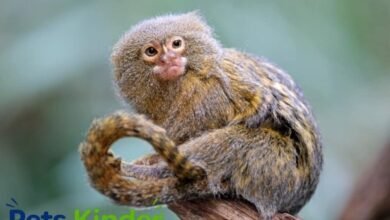
Squirrel monkeys are among the most captivating primates on the planet. Small in size but enormous in personality, these vivid little creatures have fascinated scientists, wildlife enthusiasts, and animal lovers for decades. Whether you’ve spotted one at a zoo or stumbled across them in a nature documentary, there’s no denying that squirrel monkeys leave a lasting impression. But beyond their undeniable cuteness lies a rich, complex world worth exploring.
What Exactly Is a Squirrel Monkey?
The squirrel monkey belongs to the genus Saimiri and is part of the New World monkey family Cebidae. Native to the tropical forests of Central and South America, they thrive in countries like Brazil, Peru, Colombia, Bolivia, and Costa Rica. Their name comes from their nimble, quick-footed movements through the forest canopy movements that closely resemble the darting agility of a squirrel.
There are several recognized species of squirrel monkey, including the common squirrel monkey (Saimiri sciureus), the black-capped squirrel monkey (Saimiri boliviensis), and the Central American squirrel monkey (Saimiri oerstedii), which is actually listed as vulnerable due to habitat loss. Each species has subtle differences in coloration and geographic range, but they all share the core characteristics that make them so distinctive.
Physical Characteristics
Squirrel monkeys are small but sturdy. Adults typically weigh between 500 grams and 1.1 kilograms, with males being noticeably larger than females. Their bodies measure roughly 25 to 35 centimeters in length, not counting their long, non-prehensile tail, which can add another 35 to 42 centimeters. Unlike some other primates, they cannot use their tail to grip branches it serves primarily as a balancing tool.
Their coat is short and dense, usually a vibrant mix of olive-green or gray on the back with bright yellow-orange fur on the limbs. Their faces are perhaps their most striking feature: a white mask surrounding large, expressive eyes, with a contrasting dark muzzle that gives them an almost theatrical appearance. Their brain-to-body ratio is one of the highest among all primates, which speaks to their remarkable intelligence.
A Highly Social Animal
One of the most defining traits of squirrel monkeys is their intensely social nature. They live in large groups troops that can range from 25 to over 500 individuals in the wild. Within these groups, females and their young form tight-knit subgroups, while males tend to remain on the periphery except during the mating season.
Communication within the troop is sophisticated and constant. Squirrel monkeys use a wide range of vocalizations researchers have identified up to 26 distinct calls along with facial expressions and body postures to convey everything from alarm signals to social bonding cues. Their calls can carry through dense jungle, keeping the troop coordinated during foraging.
Diet and Nutrition
What Squirrel Monkeys Eat in the Wild
Squirrel monkeys are omnivores with a strong preference for insects and fruit. In the wild, insects make up a significant portion of their diet, particularly during the dry season when fruit is less abundant. They hunt for grasshoppers, beetles, caterpillars, and spiders with impressive precision, often foraging alone or in small splinter groups before rejoining the main troop.
Fruit, nectar, seeds, leaves, and small vertebrates like lizards and tree frogs round out their nutritional intake. Their digestive systems are adapted for high-energy foods, which fuel their fast metabolism and near-constant activity. They spend the majority of their waking hours foraging, covering large distances through the canopy every single day.
Nutrition for Captive Squirrel Monkeys
For squirrel monkeys kept in zoos or as exotic pets (where legally permitted), nutrition requires careful management. A balanced diet should include fresh fruits like papaya, mango, and berries, alongside high-quality commercial primate pellets and live insects such as mealworms or crickets. Vitamin D3 supplementation is often necessary since these animals naturally synthesize it through sun exposure in tropical environments. Poor nutrition is one of the leading causes of health problems in captive squirrel monkeys, so dietary balance is non-negotiable.
Health, Care, and Common Diseases
Health Challenges in the Wild
In their natural habitat, squirrel monkeys face threats from parasites, respiratory infections, and injuries from predators which include birds of prey, snakes, and wild cats. Their survival strategy largely depends on safety in numbers, and their large troop size is directly tied to predator defense.
Common Health Issues in Captivity
Captive squirrel monkeys are prone to a range of health concerns that owners and caretakers must take seriously.
Metabolic Bone Disease
Without adequate vitamin D3 and calcium, squirrel monkeys develop metabolic bone disease a painful and debilitating condition causing weakened bones, fractures, and skeletal deformities. This is entirely preventable with proper diet and UVB lighting.
Obesity and Diabetes
Captive environments often lead to reduced physical activity and calorie-dense diets. Squirrel monkeys can become obese quickly, which dramatically increases their risk of developing type 2 diabetes. Interestingly, researchers have actually used squirrel monkeys as animal models for studying human diabetes due to their biological susceptibility to the disease.
Herpes Simplex Virus
One of the most alarming health risks for captive squirrel monkeys is herpes simplex virus (HSV-1), the common cold sore virus in humans. While this virus is typically mild in people, it can be fatal to squirrel monkeys. Anyone interacting with these animals must be extremely cautious, as even asymptomatic human carriers can transmit the virus.
Respiratory Infections
Upper respiratory infections are common in captive populations, particularly when animals are kept in improper temperature ranges. Squirrel monkeys require warm, humid environments that closely mimic their tropical origins.
Mental and Emotional Wellbeing
Squirrel monkeys are intensely social animals, and isolation causes severe psychological distress. In captivity, keeping them alone is widely considered inhumane. They need regular interaction ideally with members of their own species to prevent depression, anxiety, and stereotypic behaviors like repetitive pacing or self-directed aggression.
Lifespan and Long-Term Considerations
How Long Do Squirrel Monkeys Live?
In the wild, squirrel monkeys typically live between 15 and 20 years. However, in captivity with proper veterinary care, nutrition, and environmental enrichment they can live well into their mid-20s. The oldest recorded captive squirrel monkey reportedly reached 27 years of age.
Long-Term Commitment
For those considering squirrel monkeys as exotic pets, the long-term commitment is enormous. They require specialized veterinary care, legal permits in many jurisdictions, extensive social interaction, and enrichment activities to keep their highly intelligent minds stimulated. They are not domesticated animals and retain strong wild instincts throughout their lives. Many countries and US states have banned private ownership entirely, recognizing both the welfare concerns for the animals and the practical difficulties owners face over a two-decade-plus commitment.
Conservation Status and Future Outlook
Several squirrel monkey species face increasing pressure from deforestation and habitat fragmentation. The Central American squirrel monkey is the most at-risk, with its range limited to small pockets of Costa Rica and Panama. Conservation organizations are actively working on habitat restoration and captive breeding programs to safeguard their future.
Why Squirrel Monkeys Matter
Beyond their charm and intelligence, squirrel monkeys play a meaningful role in their ecosystems. As seed dispersers and insect consumers, they contribute directly to forest health and balance. Their behavioral complexity makes them important subjects for research into primate cognition, social structures, and even human medicine.
Understanding the squirrel monkey its needs, its challenges, and its remarkable adaptations is ultimately about appreciating the intricate web of life that sustains these animals and the ecosystems they call home. Whether encountered in the wild canopy of the Amazon or observed through conservation research, the squirrel monkey reminds us just how extraordinary the natural world truly is.