Tiny, Fierce, and Absolutely Adorable: Everything You Need to Know About the Baby Red Panda

Red pandas are already one of the most captivating animals on the planet, but there is something truly extraordinary about a baby red panda. From the moment they enter the world, these tiny creatures carry a kind of magic that seems almost unreal. Whether you stumbled across a video online or you are researching these animals seriously, one thing is certain once you learn about them, you cannot stop thinking about them. This article covers everything worth knowing, from their earliest days to their long-term care needs.
What Is a Baby Red Panda Called?
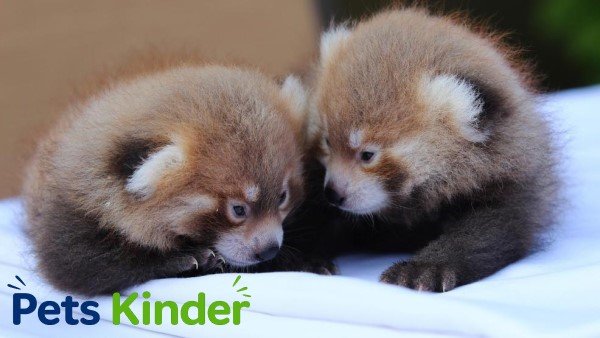
Before diving into the details, let’s answer one of the most commonly searched questions: what is a baby red panda called? A baby red panda is called a cub. Red pandas typically give birth to litters of one to four cubs, though two cubs per litter is the most common outcome. The mother raises her cubs largely on her own, as the father plays little to no role in direct cub rearing.
The term “cub” fits perfectly these little animals are born helpless and small, relying entirely on their mother for warmth, nutrition, and protection during the early weeks of life.
The First Days: What a Newborn Baby Red Panda Looks Like
Tiny and Fragile at Birth
A newborn baby red panda arrives in the world remarkably underdeveloped. At birth, cubs weigh only about 3 to 4 ounces roughly the same as a small apple. They are born with their eyes closed, and they remain that way for the first 18 to 21 days of life. Their fur is a soft grayish-brown at birth, not the vivid russet and white that adults are famous for. That striking coloring gradually emerges over several weeks.
What makes a newborn baby red panda especially fascinating is how dependent it is on its environment. Cubs cannot regulate their own body temperature initially, so the mother spends enormous amounts of time curled around them inside the nest. She builds her nest in tree hollows or dense vegetation, lining it with leaves, moss, and grass to create a warm, insulated space.
The Nest Is Everything
The nesting site is not just a cozy corner it is a survival tool. The mother may move her cubs between multiple nests to reduce the risk of predators finding them. She carries each cub gently in her mouth, one at a time, relocating the whole litter as needed. This instinctive behavior is a direct response to the vulnerability of her young during the first critical weeks.
Growth and Development of the Cute Baby Red Panda
Eyes Open, World Begins
Around three weeks of age, a cute baby red panda begins opening its eyes and experiencing the world. At this stage, the cubs are still confined to the nest, but they grow more aware and curious by the day. Their fur begins shifting toward the reddish-brown, black, and white markings that define adult red pandas. The distinctive facial tear marks white lines that run from the eyes down toward the jaw become visible during this period.
Learning to Move
By around 90 days, the cubs start venturing out of the nest. Their legs are wobbly at first, and they tumble around with the kind of clumsiness that makes every tiny baby red panda an internet sensation. They begin climbing, which is essential since red pandas spend a significant portion of their lives in the tree canopy. The mother closely supervises these early explorations, and the cubs often follow her single file along branches.
Weaning and Solid Food
Cubs nurse for approximately 13 weeks, after which the mother begins introducing them to solid food. Bamboo becomes the primary dietary staple, just as it is for adults. By around 6 to 8 months, cubs are largely eating independently, though they may remain with their mother until the next breeding season arrives.
Diet and Nutrition of Baby Red Pandas
From Milk to Bamboo
The dietary journey of a baby red panda mirrors the challenges these animals face throughout their lives. Bamboo is notoriously low in nutritional value, so red pandas must consume large quantities to meet their energy needs. Adults eat 20 to 30 percent of their body weight in bamboo daily. Cubs transition to this diet gradually, starting with bamboo shoots, leaves, and the occasional berry, egg, or small insect.
Nutritional Challenges in Captivity
In zoo environments, nutritional management is taken very seriously. Cubs in captivity receive specially formulated milk replacers if they are orphaned or rejected by their mothers. Keepers monitor weight gain closely, as failure to thrive in the early weeks can signal serious health problems. Once weaned, captive red pandas receive bamboo supplemented with fruits, leafy greens, and specially designed biscuits that ensure complete nutritional coverage.
Health, Care, and Common Issues
Vulnerability in the Wild
The survival rate for baby red pandas in the wild is unfortunately low. Predators such as snow leopards, martens, and birds of prey pose a constant threat. Disease, habitat loss, and harsh weather conditions further reduce the odds of survival. Studies suggest that a significant proportion of cubs do not make it through their first year in the wild.
Health Concerns in Captivity
Even in well-managed captive settings, baby red pandas face specific health risks. Some of the most commonly observed issues include:
Neonatal hypothermia is a serious concern, especially if the mother is inexperienced or rejects the cubs. Without adequate warmth, newborn cubs deteriorate quickly. Zoos often use incubators and heating pads to stabilize at-risk cubs.
Gastrointestinal problems can emerge as cubs transition to solid food. Their digestive systems are sensitive, and rapid dietary changes can cause diarrhea, bloating, or nutrient malabsorption.
Respiratory infections are relatively common in young red pandas, particularly in damp or cold conditions. Veterinary teams monitor cubs closely for labored breathing, nasal discharge, or lethargy.
Parasitic infestations, including roundworms and coccidia, can affect cubs. Routine fecal screenings and deworming protocols are standard practice in responsible zoological institutions.
The Role of the Mother
A healthy, attentive mother is the single most important factor in cub survival. Experienced mothers nurse consistently, groom their cubs frequently which stimulates digestion and maintain clean nesting environments. First-time mothers occasionally abandon or neglect cubs, which is why many zoos implement supplemental care programs and sometimes hand-raise rejected cubs.
Lifespan and Long-Term Considerations
How Long Do Red Pandas Live?
Red pandas in the wild typically live between 8 and 10 years, though survival to that age is far from guaranteed. In captivity, where threats are controlled and veterinary care is available, red pandas routinely live 12 to 15 years, with some individuals surpassing that range.
Conservation Status
The red panda is currently listed as Endangered on the IUCN Red List. Estimates suggest that fewer than 10,000 mature individuals remain in the wild, with that number continuing to decline due to deforestation, poaching, and climate change affecting bamboo availability. The survival of every single cub whether born in the Himalayas or a zoo in Colorado genuinely matters for the species as a whole.
Captive Breeding Programs
Zoos around the world participate in coordinated breeding programs, such as the Species Survival Plan in North America and similar initiatives globally. These programs track genetics carefully, pair animals to maintain genetic diversity, and share research on cub survival rates. The birth of even one healthy baby red panda is celebrated as a conservation win.
Why the Baby Red Panda Captures Hearts Worldwide
There is no scientific explanation needed for why a tiny baby red panda sends the internet into collective adoration. The fluffy face, the oversized paws, the wide curious eyes it all adds up to something that feels almost designed to be loved. But beyond the undeniable cuteness, these animals represent something more serious: a species fighting for survival in a rapidly changing world.
Understanding what a newborn baby red panda needs, how it grows, and what threatens it transforms casual admiration into informed advocacy. Every person who learns about red pandas and supports conservation efforts contributes however indirectly to the survival of a species that has roamed Asian forests for millions of years.
The cute baby red panda rolling around in a zoo enclosure and the wild cub tucked inside a mossy tree hollow share the same fragile, remarkable story. It is one well worth telling.