Some rabbit breeds fade in and out of popularity. The Dutch rabbit is not one of them. For nearly two centuries, this compact, strikingly marked breed has remained one of the most recognized and beloved rabbits in the world. Whether you’re a first-time owner or a seasoned rabbit keeper, the Dutch rabbit brings a rare combination of beauty, personality, and manageability to the table. Before you bring one home or simply to satisfy your curiosity here’s everything worth knowing about this remarkable little animal.
Dutch Rabbit Origin: Where It All Began
A Breed With Surprising Roots
Despite the name, the Dutch rabbit origin story doesn’t start entirely in the Netherlands. The breed actually developed in England during the early 1800s, believed to descend from the Petite Brabançon, a rabbit imported from the Brabant region of Belgium. English breeders selectively developed the distinctive two-toned markings that define the breed today, and by the 1860s, the Dutch rabbit was firmly established as one of the most popular breeds in England.
The Netherlands played a role in the rabbit’s trade history Dutch merchants frequently transported rabbits across Europe for the meat and fur trade which likely contributed to the name sticking. The breed eventually spread worldwide and became one of the first standardized rabbit breeds recognized by major rabbit associations, including the American Rabbit Breeders Association (ARBA). That kind of longevity doesn’t happen by accident. It reflects a breed that genuinely works well in human company.
Dutch Rabbit Characteristics: What Makes This Breed Stand Out
The Iconic Two-Toned Pattern
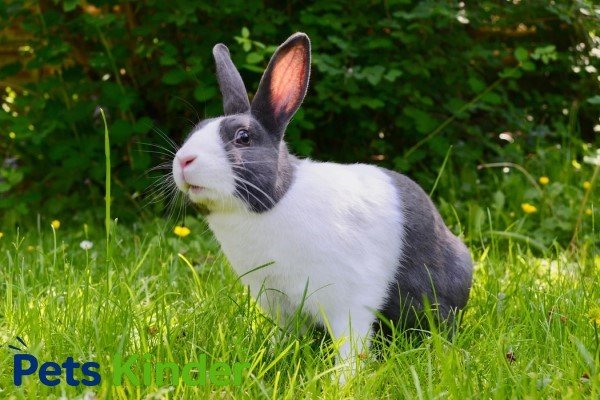
The most immediately recognizable feature of the Dutch rabbit is its striking coat pattern. No other breed carries quite the same look: a white blaze running up the nose, a white saddle wrapping around the front shoulders and chest, white feet on the hind legs, and a solid colored patch covering the rest of the body including the cheeks, ears, and hindquarters. This clean, almost geometric pattern appears consistent across all color varieties and gives the breed an appearance that looks almost painted on.
Beyond the markings, Dutch rabbit characteristics include a well-rounded, compact body type. The head is broad and bold, sitting close to the shoulders with minimal neck visible. The ears are short, well-furred, and stand upright. The overall body shape is stocky and muscular without being heavy balanced and proportionate from every angle.
Temperament and Personality
Dutch rabbits are widely considered one of the most good-natured breeds available. They’re calm, curious, and genuinely enjoy interaction with their owners. Unlike some rabbit breeds that tolerate handling rather than welcome it, a well-socialized Dutch rabbit will often seek out attention, nudge your hand for pets, and explore new environments with confidence rather than anxiety.
They’re also highly intelligent, which means they respond well to training. Many Dutch rabbit owners successfully litter-train their pets and even teach basic commands. That intelligence, however, also means they need mental stimulation. A bored Dutch rabbit can become destructive or withdrawn, so enrichment matters just as much as physical space.
Dutch Rabbit Size and Colors
How Big Do Dutch Rabbits Get?
Dutch rabbit size falls firmly in the small-to-medium category. Most adults weigh between 3.5 and 5.5 pounds, with the ideal show weight sitting around 4.5 pounds. Their compact build makes them look slightly larger than they actually are, especially when they’re in an alert, upright posture. This size makes them manageable for most households, including those with older children who can handle a rabbit responsibly.
Their small stature also means they don’t require enormous enclosures, but they still need plenty of room to move, stretch, and binky the enthusiastic jumping and twisting leap that signals a happy rabbit. A cage or hutch that’s at least four times the size of the rabbit is the bare minimum; more space is always better.
Dutch Rabbit Colors: The Full Spectrum
Dutch rabbit colors are one of the breed’s most delightful features. The ARBA recognizes six standard colors: black, blue, chocolate, gray, steel, and tortoise. Each color appears in combination with the classic white pattern described earlier.
- Black is the most traditional and perhaps most dramatic variety, with deep jet-black markings contrasting sharply against white.
- Blue is a soft, slate-gray tone that gives the rabbit a gentle, muted elegance.
- Chocolate offers rich, warm brown markings that appeal to many pet owners.
- Gray features a medium agouti-ticked gray that reads as classic and understated.
- Steel is a dark, greenish-black variety with a slightly shimmery quality.
- Tortoise blends orange and brown in a warm, earthy pattern that many find especially charming.
Beyond the standard ARBA colors, breeders sometimes produce Dutch rabbits in additional shades including chinchilla, pale gray, and tricolor variations, though these may not qualify for show competition.
Dutch Rabbit Lifespan and Long-Term Considerations
How Long Do Dutch Rabbits Live?
The Dutch rabbit lifespan typically ranges from 5 to 8 years, though well-cared-for individuals frequently reach 10 years or beyond. Several factors directly influence how long a Dutch rabbit lives: diet quality, veterinary care, housing conditions, spay/neuter status, and daily enrichment all play meaningful roles. This isn’t a short-term commitment bringing home a Dutch rabbit means planning for nearly a decade of care.
Spaying and neutering significantly extends lifespan, particularly in females. Unspayed female rabbits face an alarmingly high risk of uterine cancer as they age, with some studies suggesting rates above 80% in rabbits over four years old. Spaying eliminates that risk entirely and also tends to mellow temperament in both sexes.
Health, Care, and Common Issues
Dutch rabbits are generally a robust, healthy breed without the extreme physical traits that create chronic health problems in some other breeds. That said, they share common health concerns with most domestic rabbit species.
Dental disease is among the most prevalent issues in pet rabbits. A rabbit’s teeth grow continuously throughout its life, and without adequate hay consumption to wear them down naturally, they can become overgrown or misaligned — a condition called malocclusion. Severe dental disease causes pain, difficulty eating, and can become life-threatening if left untreated. Annual dental checks with a rabbit-savvy veterinarian are essential.
GI stasis is another serious concern. This condition occurs when the digestive system slows or stops moving, allowing gas to build up painfully. It can develop rapidly and become fatal within 24 to 48 hours without treatment. Signs include a loss of appetite, no fecal pellets, a hunched posture, and lethargy. Any rabbit showing these symptoms needs emergency veterinary care immediately.
Ear mites and respiratory infections occur occasionally, especially in rabbits housed outdoors or in environments with poor ventilation. Sore hocks raw, ulcerated patches on the bottom of the feet can develop in rabbits kept on wire flooring. Providing solid flooring or mats significantly reduces this risk.
Diet and Nutrition: Feeding Your Dutch Rabbit Right
What to Feed for a Long, Healthy Life
Nutrition is one of the most important factors in a Dutch rabbit’s overall health and longevity. The foundation of every rabbit’s diet should be unlimited grass hay specifically timothy hay for adults, and orchard grass or oat hay as alternatives. Hay provides the fiber necessary to keep the digestive system moving and the teeth properly worn. It should make up roughly 80% of the rabbit’s daily intake.
Fresh leafy greens come next. Romaine lettuce, cilantro, parsley, arugula, and bok choy are all excellent choices. Introduce new greens gradually to avoid digestive upset. Avoid iceberg lettuce, which has almost no nutritional value and high water content that can cause loose stools.
Pellets play a supporting role rather than a starring one. High-quality, timothy-based pellets in measured amounts — roughly a quarter cup per five pounds of body weight per day round out the diet. Overfeeding pellets leads to obesity and reduces the hay consumption the rabbit needs to stay healthy.
Treats should be occasional and small. Fresh fruit like a small slice of apple or a few blueberries works well. Avoid sugary commercial treats, crackers, yogurt drops, and anything with artificial ingredients.
Fresh water must be available at all times, either in a heavy ceramic bowl or a well-functioning bottle. Bowls are generally preferable because they allow a more natural drinking posture.
Is the Dutch Rabbit Right for You?
The Dutch rabbit earns its enduring reputation honestly. It’s personable without being demanding, beautiful without being fragile, and manageable without being boring. Families, singles, seniors, and experienced rabbit keepers all tend to do well with this breed, as long as they understand that rabbits require genuine daily care not just a food refill every few days.
If you go in with realistic expectations, invest in proper housing and nutrition, and build a relationship with a good rabbit-savvy vet, a Dutch rabbit can be one of the most rewarding small pets you’ll ever own. Two hundred years of devoted fans can’t be wrong.