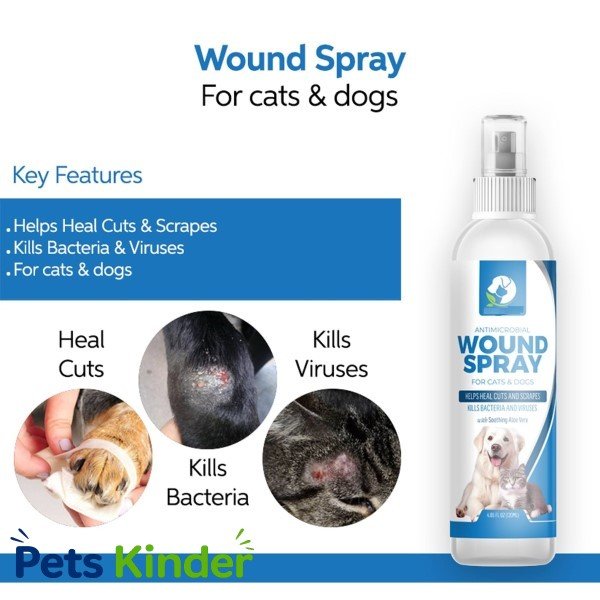
Why Wound Spray Belongs in Every Pet First Aid Kit
Accidents happen fast. One moment your dog is happily running through the backyard, and the next you’re staring at a scraped paw or a small cut that needs immediate attention. That’s exactly where a quality wound spray comes in. It’s one of the most practical, versatile first-aid tools a pet owner can keep on hand yet it’s often overlooked until an emergency makes it obvious how necessary it really is. Whether you’re dealing with a minor scratch, a post-surgical incision, or a hot spot that won’t stop irritating your pet, the right wound spray can make a meaningful difference in how quickly and cleanly your animal heals.
A wound spray isn’t just a convenient alternative to rinsing with water or dabbing on ointment. Modern formulations are specifically designed to clean, disinfect, soothe, and in many cases accelerate the healing process all without causing the stinging sensation that makes wound treatment so stressful for animals and their owners alike. Understanding how to choose and use one correctly puts you in a much stronger position to manage minor injuries at home and reduce unnecessary vet visits for small wounds.
What Is Wound Spray and How Does It Work?
The Basic Science Behind Wound Spray
At its core, wound spray is an antiseptic or antimicrobial solution delivered in a spray format for easy, no-touch application. Most quality formulas contain active ingredients like chlorhexidine, hypochlorous acid, benzalkonium chloride, or colloidal silver each chosen for its ability to kill or inhibit bacteria, fungi, and other pathogens that could infect an open wound. Some products also include soothing agents like aloe vera, lidocaine, or tea tree oil derivatives to calm inflammation and reduce the urge to lick or scratch the affected area.
The spray format itself is a deliberate design choice. Applying treatment without physically touching the wound reduces contamination risk and minimizes pain during the process. For pets that are already stressed or sensitive around injuries, the gentle misting action of a wound spray for pets is far less traumatic than wiping with a cloth or applying a thick cream. That matters, because a calm animal is easier to treat and heals with less self-induced damage from scratching or chewing at the site.
Key Ingredients to Look For
Not all wound sprays are created equal, and the ingredient list tells you a lot about how effective a product will actually be. Chlorhexidine is one of the most clinically trusted antiseptics used in veterinary medicine. It disrupts bacterial cell membranes and provides residual antimicrobial activity even after the initial application. Hypochlorous acid found in many newer-generation sprays is a naturally occurring compound that the immune system itself produces to fight infection. It’s gentle enough for use around eyes and mucous membranes, yet effective against a broad spectrum of pathogens.
Some wound sprays also include hydrocortisone or other anti-inflammatory agents to reduce swelling and itching around the wound site. While these can be useful for hot spots and allergic skin reactions, they’re not ideal for deep or infected wounds where steroid activity might slow the healing response. Always read the label carefully and, when in doubt, check with your vet before applying any product to a serious or worsening injury.
Wound Spray for Dogs: What You Need to Know
Common Injuries Where Wound Spray for Dogs Helps Most
Dogs are naturally active and curious, which means they tend to accumulate minor injuries with impressive regularity. Wound spray for dogs is particularly useful for treating paw pad abrasions from rough terrain, minor lacerations from fences or sharp debris, hot spots caused by excessive licking or bacterial dermatitis, post-grooming skin irritation, insect bites, and small puncture wounds from thorns or splinters. In each of these cases, a prompt application of wound spray helps clean the site, reduce bacterial load, and create a better environment for natural healing.
Hot spots those red, moist, rapidly expanding patches of inflamed skin deserve special mention. They’re one of the most frustrating conditions for dog owners to manage, and wound spray is often a front-line tool for getting them under control. A spray formulated with antimicrobial and anti-itch properties can interrupt the itch-scratch-lick cycle that makes hot spots so persistent. Applied two to three times daily, it keeps the area clean while the skin works to recover.
How to Properly Apply Wound Spray to a Dog
Proper application matters more than many owners realize. Start by gently cleaning away any visible debris from the wound using clean water or saline. Trim the fur around the area if possible this improves contact between the spray and the skin and prevents moisture from getting trapped around the wound. Hold the spray nozzle about two to four inches from the affected area and apply an even, light coat. Don’t rub it in. Let it air dry naturally. For active dogs that won’t stop licking treated areas, a recovery collar may be necessary to give the wound spray time to work without interference.
Wound Spray for Cats: Special Considerations
Why Cats Require a Different Approach
Using wound spray for cats requires a bit more thoughtfulness than treating dogs. Cats have significantly thinner, more sensitive skin, and their grooming behavior means they will almost certainly lick any product applied to their coat or skin. This makes ingredient safety critically important. Many wound sprays that are safe for dogs contain compounds like tea tree oil or certain essential oils that are toxic to cats even in small amounts. Always verify that any wound spray for cats is explicitly labeled as feline-safe before using it.
Hypochlorous acid-based sprays are generally among the safest options for cats because the active compound is non-toxic if ingested in small quantities during normal grooming. Chlorhexidine solutions at low concentrations (0.05% to 0.2%) are also widely used in feline veterinary care without significant safety concerns. What you want to avoid are alcohol-heavy formulations that cause stinging and excessive drying of the delicate skin around wounds, which can slow healing and increase your cat’s distress during treatment.
Feline Wound Care: Common Scenarios
Cats most commonly need wound spray after bite wounds from other cats a situation that arises frequently in multi-cat households or outdoor cats that encounter territorial disputes. Bite wounds in cats are deceptively dangerous; the puncture site often closes quickly on the surface while bacteria flourish underneath, making abscess formation a genuine risk. Cleaning the area promptly with wound spray for cats and monitoring for swelling, heat, or discharge over the following days can help you catch an developing abscess before it becomes a serious problem requiring surgical drainage.
Other common feline wound situations include scratches from rough play, minor surgical incision care after spaying or neutering, and skin irritation from collar friction. In each case, gentle, species-appropriate wound spray applied consistently delivers the best outcomes.
Health, Long-Term Care, and When to See a Vet
What Wound Spray Can and Cannot Do
Wound spray is a powerful first-aid tool, but it has real limitations. It works best on superficial wounds cuts, scrapes, minor burns, and skin irritations that don’t penetrate deep tissue. It is not a substitute for professional veterinary care in cases involving deep lacerations that may need sutures, wounds showing signs of serious infection (pus, spreading redness, foul odor, fever), injuries near the eyes or joints, bites from unknown animals due to rabies risk, or wounds that fail to improve after 48 to 72 hours of home treatment. Recognizing these limits and acting accordingly protects your pet from complications that home care simply cannot address.
Building a Long-Term Wound Care Routine
Consistent wound care has a direct impact on outcomes. Pets that receive prompt, appropriate treatment for skin injuries are less likely to develop chronic skin conditions, recurrent infections, or scarring that can cause long-term discomfort. For pets prone to hot spots, allergies, or frequent outdoor injuries, keeping a reliable wound spray for pets on hand and refreshing it before the expiration date should be a standard part of your overall pet health routine.
Equally important is addressing the underlying cause of recurring wounds. A dog that repeatedly gets hot spots likely has an underlying allergy or nutritional gap worth investigating. A cat that’s getting into frequent fights may need a lifestyle adjustment. Wound spray manages the symptom preventing infection and supporting healing but the long-term goal is always to reduce the frequency of injuries in the first place.
Storing and Maintaining Your Wound Spray
Store wound spray in a cool, dry place away from direct sunlight. Many formulations especially hypochlorous acid-based products have a relatively short shelf life once opened, typically three to six months. Check the label for specific storage instructions and expiration dates. An expired wound spray may lose potency or, in some cases, become contaminated with bacteria, which is the opposite of what you need during a wound care emergency. Rotate your pet first-aid supplies regularly, just as you would for your own household medicine cabinet.
Investing in a good wound spray for pets is one of the simplest, most impactful things you can do as a responsible pet owner. It won’t replace your veterinarian, but it gives you a reliable, immediate option when your dog or cat needs care and a vet appointment isn’t immediately available.