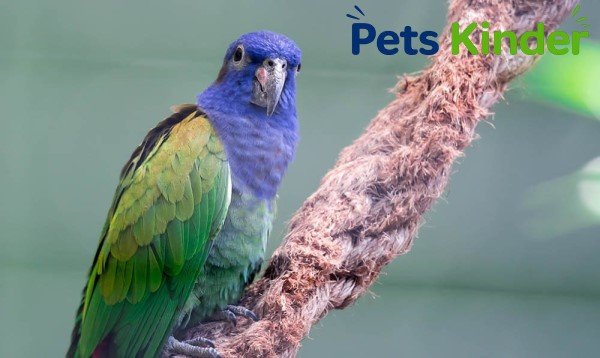
If you’ve spent any time in the parrot world, you’ve probably heard of African Greys, Amazon parrots, and Macaws. But there’s one bird that consistently flies under the radar and honestly, that’s a shame. The Pionus parrot is a medium-sized, gentle, and deeply rewarding companion that deserves far more attention than it gets. Whether you’re a first-time bird owner or a seasoned aviculturist looking for a calmer companion, the Pionus might just be exactly what you didn’t know you needed.
What Exactly Is a Pionus Parrot?
The Pionus (pronounced “pie-OH-nus”) belongs to the genus Pionus within the family Psittacidae. These birds are native to Central and South America, ranging from Mexico down through the Amazon basin. There are eight recognized species in the genus of Pionus parrot, each with its own distinct coloring and personality quirks. However, they all share a characteristic that sets them apart from many other parrots a notably calm and even-tempered disposition.
The Most Popular Pionus Species
Among the various species, a few have become especially popular in aviculture:
Blue-headed Pionus (Pionus menstruus) — Arguably the most common in captivity, this bird sports a vivid cobalt-blue head that transitions into green body feathers. It’s visually stunning and relatively sociable.
Bronze-winged Pionus (Pionus chalcopterus) — A darker, more mysterious-looking bird with iridescent bronze wing patches and a deep purple chest. Many owners consider it one of the most strikingly beautiful Pionus species.
Maximilian’s Pionus (Pionus maximiliani) — Also called the Scaly-headed Parrot, this species is a bit more subdued in color but makes up for it with a calm, laid-back temperament that’s hard to beat.
Dusky Pionus (Pionus fuscus) — Less common in captivity, but those who keep them often rave about their gentle nature and quiet personality.
All Pionus parrots share a small, distinctive patch of red feathers under their tails a subtle but reliable identifying feature across the genus.
Key Features and Characteristics
One of the most frequently cited reasons people fall in love with Pionus parrots is their temperament. Unlike Amazons or Cockatoos, which can swing between affectionate and hormonal depending on the season, Pionus parrots tend to stay relatively consistent in mood. They’re not typically screamers. They’re not overly demanding. And while they do bond closely with their owners, they generally handle alone time better than many other parrot species.
Size and Physical Traits
Pionus parrots are medium-sized birds, typically measuring between 10 and 12 inches in length and weighing around 200 to 280 grams, depending on the species. Their build is stocky and compact, with a shorter tail than many parrots of similar size. One thing owners often notice is the slightly moist appearance around their nostrils this is completely normal for the genus and not a sign of illness.
Talking and Vocalization
Pionus parrots can learn to talk, though they’re not known for being prolific mimics. Their voices tend to be softer and slightly raspier than, say, an Amazon’s. Some individuals develop decent vocabularies and enjoy repeating phrases, while others stay mostly quiet. If you live in an apartment or have noise-sensitive neighbors, this is actually a major point in the Pionus’s favor. They’re one of the quieter medium-sized parrots available.
Personality and Social Behavior
Pionus parrots can be slightly shy at first, especially with strangers. Give them time, though, and they open up into warm, curious, and genuinely affectionate companions. They tend to be less aggressive than many parrot species, making them a solid choice for families with respectful children or households with multiple pets. That said, every bird is an individual some Pionus parrots are bold from day one, while others take weeks to fully settle in.
Diet and Nutrition
Feeding a Pionus parrot well is one of the most important things you can do for its long-term health. These birds are unfortunately susceptible to a condition called visceral gout if fed a diet that’s too high in protein, so getting the nutrition right really matters.
What to Feed Your Pionus
A high-quality pelleted diet should form the foundation of their meals ideally making up about 60 to 70 percent of their daily intake. Pellets provide balanced nutrition and reduce the risk of the selective eating habits that often come with seed-only diets. Seeds, while enjoyable for birds, are calorie-dense and lacking in several key nutrients, so they should be offered as a treat rather than a staple.
Fresh fruits and vegetables round out the diet beautifully. Dark leafy greens like kale, Swiss chard, and dandelion greens are excellent choices. Carrots, bell peppers, squash, and berries are also well-received. Avoid avocado, onion, and anything in the allium family, as these are toxic to parrots.
Because Pionus parrots are particularly prone to vitamin A deficiency, incorporating orange and yellow vegetables rich in beta-carotene is especially important. Sweet potato is a fantastic addition to their diet for this reason.
Fresh, clean water should always be available and changed daily.
Health, Care, and Common Issues
General Care Requirements
Pionus parrots thrive when they have plenty of mental stimulation. Foraging toys, puzzle feeders, and a rotating variety of enrichment activities go a long way toward keeping them mentally healthy. Boredom can lead to feather-plucking and other stress behaviors, even in generally calm birds.
Cage size matters, too. At minimum, a cage should be 24 x 24 x 36 inches for one bird, though bigger is always better. Horizontal bars on at least two sides of the cage allow for climbing, which Pionus parrots enjoy. Out-of-cage time every day ideally two to four hours is essential for their physical and emotional wellbeing.
Regular bathing or misting helps maintain feather condition and is usually enjoyed by most Pionus individuals. Nail trims and occasional beak checks round out routine grooming.
Common Health Issues
Visceral Gout — As mentioned earlier, this metabolic condition is more prevalent in Pionus parrots than in many other species. It’s linked to excessive dietary protein and can cause severe kidney damage. Keeping protein levels in check and ensuring a balanced diet is the primary prevention strategy.
Aspergillosis — A fungal respiratory infection caused by Aspergillus species, this condition appears more frequently in Pionus parrots than in some other parrot families. Good ventilation, clean living conditions, and avoiding damp or moldy environments are key preventive measures.
Vitamin A Deficiency — Signs include dull feathers, nasal discharge, and increased susceptibility to infection. A diet rich in beta-carotene foods largely prevents this.
Psittacosis — Also called Parrot Fever, this bacterial infection can affect any parrot species. New birds should be tested, and annual vet checkups are important for early detection.
Finding an avian veterinarian not just a general vet is strongly recommended for Pionus owners. Annual wellness exams help catch issues before they become serious.
Lifespan and Long-Term Considerations
Pionus parrots are a long-term commitment, and potential owners should understand that fully before bringing one home. With proper care, these birds typically live between 25 and 40 years. Some well-cared-for individuals have been known to reach their late 30s or even beyond. This means adopting a Pionus parrot is, in many cases, a decades-long relationship.
Planning for the Long Haul
Because of their extended lifespan, responsible Pionus owners often include provisions for their birds in their wills or estate plans. Connecting with avian rescue organizations or trusted bird owners who could serve as caregivers is also worth thinking about.
Additionally, as Pionus parrots age, their health needs may change. Senior birds can develop arthritis, cataracts, and hormonal changes that require adjusted care and veterinary attention. Building a relationship with a reliable avian vet early makes navigating these later years much smoother.
Is a Pionus Parrot Right for You?
Ultimately, the Pionus parrot is a fantastic choice for someone who wants a genuine companion bird without some of the more dramatic behavioral challenges associated with louder, more high-strung species. They’re intelligent, affectionate, relatively quiet, and deeply loyal to the people they bond with. Yes, they need daily interaction, a thoughtful diet, and regular veterinary care but any quality pet relationship requires that kind of commitment.
If you’re willing to put in the time and attention, a Pionus parrot will reward you with a friendship that can genuinely last a lifetime.