Discover the care, nutrition, health needs, and daily habits that support a happy and healthy guinea pig
Understanding Guinea Pigs and Their Life Expectancy
Guinea pigs are gentle, social, and charming small pets known for their friendly personalities and adorable sounds. Many families choose them as companions because they are affectionate, easy to bond with, and enjoyable to watch. However, understanding the guinea pig lifespan is an important part of responsible ownership because these animals require consistent care throughout their lives.
Unlike some small pets with shorter lifespans, guinea pigs can become long-term companions when provided with the right environment, diet, and healthcare. Their longevity depends on many factors, including genetics, nutrition, exercise, stress levels, and regular veterinary attention.
Learning about their needs helps owners create a lifestyle that supports better health and improves the overall quality of life for their furry friends.
Key Features and Characteristics of Guinea Pigs
Appearance and Physical Traits
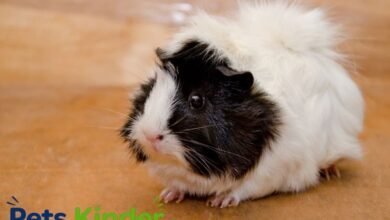
Guinea pigs are small rodents with compact bodies, short legs, rounded faces, and expressive eyes. They come in many breeds, colors, and coat types, including short-haired, long-haired, and textured varieties.
Their appearance can vary widely, but all guinea pigs share similar basic care needs. Their teeth grow continuously, which means they require proper chewing materials and a diet rich in fiber to maintain healthy dental development.
One reason people love these pets is their unique communication style. Guinea pigs use different sounds, including squeaks, chirps, and purring-like noises, to express excitement, hunger, curiosity, or comfort.
Personality and Social Behavior
Guinea pigs are naturally social animals. In the wild, they live in groups, and many pet guinea pigs enjoy companionship and regular interaction with humans or other compatible guinea pigs.
They are usually gentle and calm, but they can be cautious when introduced to new environments. Building trust takes patience, especially during the first few weeks after bringing one home.
A healthy guinea pig often shows curiosity by exploring its surroundings, responding to familiar sounds, and interacting with its owner. These behaviors are signs of comfort and emotional well-being.
Diet and Nutrition Requirements
A proper diet is one of the biggest influences on the guinea pig lifespan. These animals require a high-fiber diet that supports digestion, dental health, and overall wellness.
The foundation of their diet should be high-quality hay, which helps keep their digestive system working properly and provides necessary fiber. Fresh vegetables, especially vitamin C-rich options such as bell peppers and leafy greens, are also important because guinea pigs cannot produce vitamin C naturally.
Specially formulated guinea pig pellets can provide additional nutrients, but they should be offered in appropriate amounts. Too many pellets or sugary treats may contribute to weight problems and other health concerns.
Fresh water should always be available and replaced regularly. Owners should avoid feeding foods that are unsafe for guinea pigs, including chocolate, onions, garlic, and foods high in sugar or unhealthy fats.
Health, Care, and Common Issues
Creating a Comfortable Living Environment
A safe and clean habitat plays a major role in maintaining a healthy pet. Guinea pigs need enough space to move, explore, and exercise comfortably. Their enclosure should include soft bedding, hiding areas, food dishes, and enrichment items.
Regular cleaning is essential because dirty environments can contribute to infections and discomfort. Bedding should be changed frequently, and food areas should be kept clean.
Exercise and stimulation are also important. Guinea pigs benefit from supervised playtime outside their enclosure, along with toys and activities that encourage natural behaviors.
Common Health Problems
Understanding common health concerns can help owners protect their pets. Some issues guinea pigs may experience include dental problems, digestive disorders, respiratory infections, parasites, and vitamin C deficiency.
Because guinea pigs can hide signs of illness, small changes in behavior should be taken seriously. Reduced appetite, unusual tiredness, weight loss, difficulty breathing, or changes in droppings may indicate a health problem.
Regular veterinary checkups can help detect issues early. Preventive care, proper nutrition, and a clean living environment are essential parts of supporting a longer and healthier life.
Characteristics, Lifespan, and Long-Term Considerations
The guinea pig lifespan is often influenced by daily care and overall health management. Many guinea pigs live several years, and some reach longer ages when they receive excellent nutrition, proper housing, and consistent medical care.
Owners should understand that guinea pigs are a long-term responsibility. They need daily feeding, regular cleaning, social interaction, and attention to changes in behavior.
The guinea pig lifespan can also be affected by stress. Loud environments, poor handling, loneliness, or sudden changes may negatively impact their health. Providing a calm and predictable routine helps them feel safe.
As guinea pigs age, their needs may change. Older pets may require easier access to food, closer health monitoring, and adjustments to their living environment. Supporting them through every life stage helps maintain comfort and happiness.
Building a Strong Bond With Your Guinea Pig
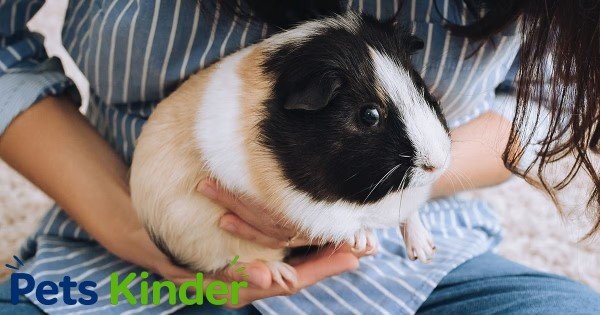
Creating trust with a guinea pig requires patience and consistency. Gentle handling, calm voices, and regular interaction help them become more comfortable around people.
Many guinea pigs recognize their owners and learn daily routines. They may become excited when they hear food preparation or familiar sounds.
Spending time with your pet is not only enjoyable but also beneficial for their emotional health. Social interaction can reduce boredom and encourage natural behaviors.
Improving Your Guinea Pig’s Quality of Life
A healthy lifestyle goes beyond meeting basic needs. Providing enrichment, offering safe exploration opportunities, and maintaining a balanced routine all contribute to a happier pet.
Owners can support a longer guinea pig lifespan by focusing on prevention rather than waiting for problems to appear. Regular observation helps identify changes early and allows for faster action when needed.
Keeping records of weight, eating habits, and behavior can also be helpful. These details make it easier to notice gradual changes that may otherwise go unnoticed.
Final Thoughts on Guinea Pig Lifespan and Care
The guinea pig lifespan depends on many connected factors, including genetics, diet, environment, and the quality of care provided by owners. These small pets may be gentle and easygoing, but they still require commitment and attention.
By offering nutritious food, a safe habitat, regular health care, and plenty of companionship, owners can help their guinea pigs enjoy a healthier and more comfortable life.
Understanding their needs allows these lovable animals to become rewarding companions that bring happiness to families for many years.