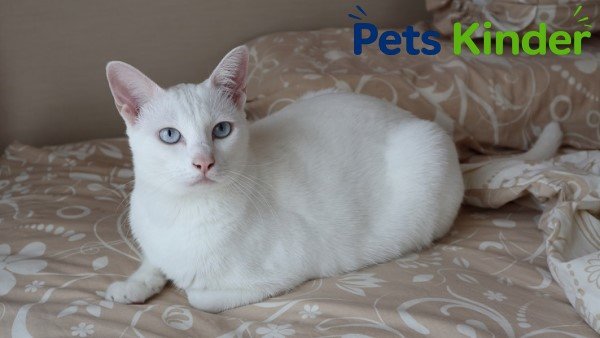
If you’ve ever spotted a cat with striking blue eyes, a sleek body, and a coat as pale as fresh snow, there’s a good chance you were looking at a white Siamese one of the most visually captivating and misunderstood cats in the feline world. These cats are rare, regal, and surprisingly complex behind that beautiful exterior. Whether you’re thinking about bringing one home or simply curious about what makes them so special, this guide covers everything worth knowing.
What Is a White Siamese Cat?
Most people are familiar with the traditional Siamese those cream-colored cats with dark “points” on their ears, face, paws, and tail. But a white Siamese is a bit different. These cats carry a gene that suppresses the typical point coloration, resulting in an almost entirely white or very pale coat. In some cases, they’re referred to as “Foreign White” cats, a recognized variant that was selectively bred to achieve that pure white appearance while maintaining the classic Siamese body type and personality.
The Genetics Behind the White Coat
The white coat in Siamese cats comes from the dominant white gene, which essentially masks other color genes. This is distinct from albinism, though the two are sometimes confused. A true albino cat lacks pigment entirely and usually has pinkish or very pale eyes. A white Siamese, on the other hand, almost always has those signature deep blue eyes the result of the Siamese genetic background working alongside the masking white gene. It’s a fascinating combination that produces a look unlike any other breed.
Recognized Varieties and Names
Depending on where you live, white Siamese cats may go by different names. “Foreign White” is the term most commonly used in the United Kingdom and recognized by some cat registries. In the United States, the cat fancy community uses slightly different classification standards. Regardless of the label, the core characteristics the long, angular body, almond-shaped blue eyes, and wedge-shaped head remain consistent across the board.
Key Physical Features and Characteristics
The white Siamese is unmistakably elegant. Their build is lean and muscular, never bulky, with long legs and a tapering tail. Their coat is short, fine, and lies close to the body, which makes grooming relatively easy compared to long-haired breeds. The most defining feature, of course, is those vivid blue eyes. They’re deep-set and slanted, giving the cat a slightly exotic and always-alert expression.
Coat and Color Variations
While the primary coat color is white, some individuals may show faint ghost markings especially in kittens, which can fade as they mature. Temperature also plays a role in coat development for Siamese genetics; cooler body parts tend to develop more pigment. In a white Siamese, this effect is largely suppressed, but slight shading around the ears or face isn’t uncommon and doesn’t disqualify the cat from being considered a white Siamese.
Size and Build
White Siamese cats are medium-sized, typically weighing between 8 to 14 pounds depending on sex and individual genetics. Males tend to run larger. Their slim, long bodies can sometimes make them look lighter than they actually are, but don’t let that fool you — these cats are solidly built, athletic, and agile. They’re natural climbers and love to jump, so vertical space in your home matters a great deal to them.
Personality and Temperament
Here’s where things get really interesting. The white Siamese isn’t just a pretty face these cats are extraordinarily social, vocal, and intelligent. They bond deeply with their human families, often selecting a favorite person and following them from room to room. If you want a laid-back, independent cat that ignores you most of the day, the white Siamese is probably not the right fit.
Vocal and Opinionated
Siamese cats in general are known for being loud, and the white variety is no exception. They “talk” constantly — meowing, chirping, and sometimes even yowling to express hunger, boredom, affection, or disapproval. Some owners love this; others find it overwhelming. Either way, living with a white Siamese means accepting that they have opinions and they will share them.
Intelligence and Playfulness
These cats are genuinely smart. They learn quickly, solve puzzles, and can even pick up tricks with consistent training. Interactive toys, feather wands, and puzzle feeders keep them mentally engaged. Without adequate stimulation, they can become destructive or develop anxiety-related behaviors. Therefore, investing in enrichment for this breed isn’t optional it’s essential.
Diet and Nutrition
Like all cats, white Siamese cats are obligate carnivores. Their diet should be built around high-quality animal protein. Wet food is often recommended as the primary diet because it supports hydration and kidney health, both of which are important for this breed. Dry food can be included but should complement rather than replace wet food entirely.
Feeding Guidelines
Adult white Siamese cats generally do well on two measured meals per day rather than free-feeding, which can lead to weight gain. Because of their lean build, it’s easy to underestimate their caloric needs. Look for foods with named protein sources (chicken, turkey, salmon) listed as the first ingredients and minimal fillers like corn syrup or artificial preservatives. Fresh water should always be available a cat water fountain often encourages better hydration.
Treats and Supplements
Treats should make up no more than 10% of daily caloric intake. Some white Siamese cats benefit from omega-3 fatty acid supplements for coat health and joint support, particularly as they age. Always consult a veterinarian before adding supplements to your cat’s routine.
Health and Care
The white Siamese is a hardy breed in many respects, but there are specific health considerations that every owner should understand. Being proactive about veterinary care goes a long way in catching issues early.
Common Health Issues
Hereditary Deafness
This is the most significant health concern unique to white Siamese cats, particularly those with two copies of the dominant white gene. Deafness in white cats is linked to a degeneration of the inner ear structures caused by the same gene responsible for the white coat. Not every white Siamese will be deaf, but the risk is notably higher than in other cat breeds. Before adopting, ask the breeder about the parents’ hearing status and whether the kitten has been tested.
Respiratory and Dental Issues
Siamese cats in general are prone to respiratory infections, particularly upper respiratory conditions. Their facial structure, while not as extreme as flat-faced breeds, can sometimes predispose them to mild breathing sensitivities. Dental disease is also common these cats benefit from regular teeth brushing and professional dental cleanings as part of their care routine.
Heart Conditions
Some Siamese lines carry a predisposition to hypertrophic cardiomyopathy (HCM), a thickening of the heart muscle. Regular cardiac screenings, especially in older cats, are advisable. Annual veterinary checkups that include a thorough physical exam are important for catching this early.
Routine Care and Grooming
The short coat of a white Siamese requires minimal grooming a weekly brush is usually enough to remove loose hair and keep the coat looking clean. However, because the white coat shows dirt and staining more easily than darker coats, occasional baths may be helpful, especially around the face. Regular nail trims, ear cleaning, and dental care complete the basic care routine.
Lifespan and Long-Term Considerations
White Siamese cats are known for living relatively long lives. With proper care, a healthy individual can live anywhere from 12 to 20 years. Some well-cared-for Siamese cats have even exceeded that range. This longevity means that adopting a white Siamese is truly a long-term commitment one that requires consistent veterinary care, a stable environment, and plenty of companionship throughout their life.
As they age, white Siamese cats may develop arthritis, vision changes, or kidney disease all common in senior cats generally. Transitioning to a senior-appropriate diet, providing easier access to food, water, and litter boxes, and scheduling more frequent vet visits (twice yearly after age 10) will help your cat stay comfortable and healthy well into old age.
Is a White Siamese Right for You?
The white Siamese is not a low-maintenance pet, and it wouldn’t be fair to pretend otherwise. They need daily interaction, mental stimulation, and a home environment where they won’t be left alone for long stretches regularly. They thrive in households where someone is often home, and they generally do well with other cats or even cat-friendly dogs for companionship.
That said, for the right owner, a white Siamese is one of the most rewarding cats you’ll ever share your life with. Their loyalty, intelligence, and sheer beauty make them unlike any other breed. They don’t just live in your home they become a deeply woven part of it.