Introduction to the Uromastyx Reptile
The uromastyx reptile is one of the most fascinating and underrated lizards in the reptile world. Known for its vibrant colors, calm temperament, and unique desert adaptations, this species has steadily gained popularity among reptile enthusiasts. Unlike many high-maintenance reptiles, the uromastyx offers a rewarding experience for keepers who understand its specific needs.
Native to arid regions across North Africa, the Middle East, and parts of Asia, the uromastyx thrives in extreme heat and dry conditions. Because of this, it brings a piece of the desert ecosystem right into your home. Whether you’re a beginner or an experienced reptile keeper, understanding this species fully is essential before bringing one into your life.
Key Features and Characteristics of the Uromastyx Reptile
Physical Appearance
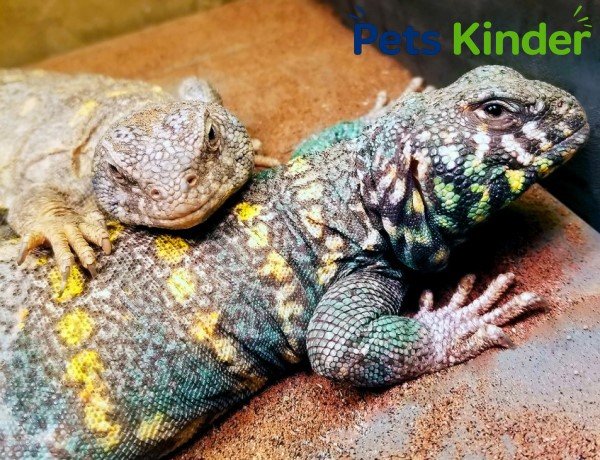
The uromastyx reptile stands out immediately due to its stout body, short snout, and spiny tail. In fact, its name literally translates to “spiny tail,” which it uses as a defense mechanism against predators. Most species grow between 10 to 18 inches in length, though size varies depending on the specific type.
Their coloration is another highlight. While juveniles often appear dull, adults develop stunning hues ranging from bright yellows and oranges to deep blues and greens. These colors often intensify under proper lighting and diet, making them visually striking pets.
Behavior and Temperament
Unlike many reptiles that can be skittish or aggressive, the uromastyx reptile is generally calm and docile. Over time, it can even become quite interactive with its owner. However, patience is key. Initially, these lizards may be shy, especially in new environments.
They are diurnal creatures, meaning they are active during the day. As a result, you’ll often see them basking under heat lamps or exploring their enclosure during daylight hours. This makes them more engaging compared to nocturnal reptiles.
Natural Habitat Adaptations
The uromastyx reptile has evolved to survive harsh desert climates. It tolerates extremely high temperatures and minimal water availability. Instead of drinking water regularly, it absorbs moisture from its food. Consequently, its care requirements differ significantly from tropical reptiles.
Diet and Nutrition for a Healthy Uromastyx
Herbivorous Lifestyle
One of the most defining traits of the uromastyx reptile is its strictly herbivorous diet. Unlike many lizards that require insects or meat, uromastyx thrive on plant-based foods. This makes feeding them simpler, but it also requires careful planning to ensure balanced nutrition.
Leafy greens should form the foundation of their diet. Collard greens, dandelion greens, and mustard greens are excellent staples. Additionally, vegetables like squash, bell peppers, and carrots can be offered regularly.
Seeds and Occasional Treats
In the wild, uromastyx often consume seeds, which provide essential nutrients and fats. You can replicate this by offering lentils, millet, or birdseed mixes occasionally. However, moderation is crucial since seeds are calorie-dense.
Fruits should be given sparingly. Although they may enjoy the sweetness, too much fruit can disrupt their digestive system due to high sugar content.
Supplements and Hydration
Even with a well-balanced diet, supplementation is important. Calcium powder should be dusted on food several times a week to support bone health. Vitamin D3 may also be necessary, especially if UVB lighting is insufficient.
Interestingly, the uromastyx reptile rarely drinks from water bowls. Instead, it relies on moisture from its food. Therefore, always provide fresh vegetables and avoid overly dry diets.
Habitat Setup and Daily Care
Enclosure Requirements
Creating the right environment is essential for the uromastyx reptile’s well-being. A spacious enclosure, typically at least 40 gallons for a single adult, allows for proper movement and temperature gradients.
The enclosure should mimic a desert habitat. Use substrates like sand or a sand-soil mix, and include rocks and hides for enrichment. However, avoid loose substrates for younger lizards, as they may accidentally ingest them.
Temperature and Lighting
Heat is critical for this species. The basking area should reach temperatures between 110°F and 120°F, while the cooler side can range from 80°F to 90°F. Without proper heat, digestion and overall health will suffer.
Equally important is UVB lighting. It enables the uromastyx reptile to synthesize vitamin D3, which is vital for calcium absorption. Replace UVB bulbs regularly to maintain effectiveness.
Cleaning and Maintenance
A clean enclosure prevents many health issues. Spot-clean daily by removing waste and uneaten food. Additionally, perform a deeper cleaning every few weeks to maintain hygiene.
Health and Common Issues
Signs of a Healthy Uromastyx
A healthy uromastyx reptile is active, alert, and has clear eyes. Its skin should be vibrant, and shedding should occur without complications. Regular basking and a strong appetite are also positive indicators.
Common Health Problems
Despite being hardy, uromastyx can develop certain health issues if not cared for properly. Metabolic bone disease is one of the most common problems, usually caused by insufficient calcium or lack of UVB lighting.
Impaction is another concern, particularly when improper substrates are used. This occurs when the reptile ingests indigestible material, leading to digestive blockages.
Dehydration, although less common, can still occur if the diet lacks sufficient moisture. Symptoms include lethargy and wrinkled skin.
Preventative Care
Preventing these issues is much easier than treating them. Maintain proper lighting, provide a balanced diet, and monitor your pet regularly. If you notice unusual behavior, consult a reptile veterinarian promptly.
Lifespan and Long-Term Commitment
How Long Do Uromastyx Live?
The uromastyx reptile is not a short-term pet. With proper care, it can live between 15 to 20 years, and sometimes even longer. This makes it a long-term commitment that requires consistent attention and resources.
Growth and Development
Juveniles grow steadily during their first few years, requiring slightly different care compared to adults. For instance, they may need more frequent feeding and careful monitoring of their environment.
As they mature, their behavior becomes more predictable, and their dietary needs stabilize. However, regular health checks remain important throughout their life.
Is a Uromastyx Right for You?
Before choosing a uromastyx reptile, consider your ability to meet its environmental and dietary needs. While they are relatively low-maintenance compared to some reptiles, they still require specific conditions to thrive.
They are ideal for individuals who prefer a calm, plant-eating reptile that is active during the day. However, they may not suit those looking for a highly interactive or cuddly pet.
Final Thoughts on the Uromastyx Reptile
The uromastyx reptile is truly a unique and rewarding pet for those willing to understand its needs. Its striking appearance, gentle nature, and fascinating desert adaptations make it a standout among reptile species.
By providing proper nutrition, maintaining the right habitat, and staying attentive to its health, you can ensure your uromastyx lives a long and healthy life. In return, you’ll gain a captivating companion that brings a touch of the desert into your home.
If you’re seeking a reptile that combines beauty, resilience, and manageable care requirements, the uromastyx reptile may be exactly what you’re looking for.