Wild at Heart: The Untamed Truth About the Bronco Horse That Most People Never Know

There’s something undeniably electric about watching a bronco horse explode out of a rodeo chute, all coiled muscle and raw fury, twisting mid-air like the animal is trying to shake off the sky itself. But behind the spectacle lies a genuinely fascinating creature one with deep roots in American history, a biology shaped by survival, and care needs that serious horse enthusiasts take very seriously. Whether you’re drawn to the rodeo world, the wild open range, or simply curious about what makes a bronco different from any other horse, this guide covers everything worth knowing.
What Exactly Is a Bronco Horse?
The word “bronco” comes from the Spanish bronco, meaning rough or wild. In practical terms, a bronco horse is any horse usually of mixed or feral lineage that is unbroken, semi-wild, or highly resistant to being ridden. The term doesn’t refer to a specific breed. Instead, it describes a temperament and a status: an untamed horse that bucks, resists human control, and hasn’t been fully domesticated.
The Origins of the American Bronco
The bronco’s story in North America begins with the Spanish conquistadors, who brought domesticated Iberian horses to the continent in the 16th century. Over generations, many of these horses escaped or were released, forming feral herds across the Great Plains and the Southwest. These free-roaming horses, known as mustangs, are the direct ancestors of what cowboys later called broncos. As American ranching culture expanded westward through the 1800s, the roundup and attempted riding of these wild horses became both a practical necessity and a competitive sport. That sporting tradition evolved directly into modern rodeo bronc riding.
Key Characteristics of a Bronco Horse
A bronco horse tends to share several physical and behavioral traits, though there’s natural variation since the term spans many individual horses rather than a single breed.
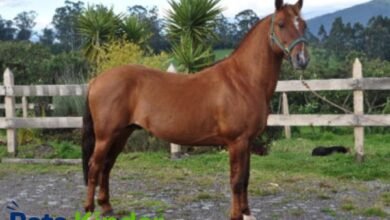
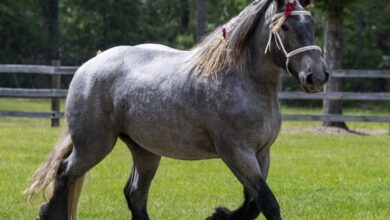
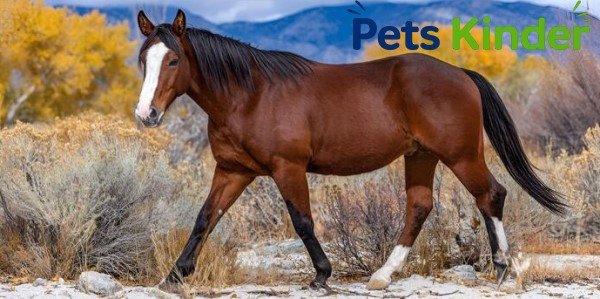
Physically, broncos are typically compact and muscular, standing between 14 and 16 hands high. They carry strong hindquarters precisely the muscle group responsible for those explosive bucking motions. Their builds often reflect the hardy, survival-optimized physique of feral horses shaped by natural selection rather than human breeding programs.
Behaviorally, the defining trait is resistance. A true bronco horse reacts to riders and restraints with explosive bucking, spinning, and bolting. This isn’t stubbornness for its own sake it’s an evolved flight response, deeply wired into the horse’s nervous system. Horses that survived on open ranges did so partly by reacting fast and violently to perceived threats. A saddle on their back triggers those same ancient alarms.
Diet and Nutrition of a Bronco Horse
Whether a bronco horse lives in a wild herd, a managed range, or a rodeo facility, its nutritional needs are fundamentally those of any healthy horse just sometimes harder to meet because of its resistance to human handling.
Natural Grazing Habits
In the wild, feral bronco horses graze almost continuously, spending 16 to 20 hours a day consuming grasses, shrubs, and whatever forage the land offers. Their digestive systems evolved specifically for this low-calorie, high-fiber diet spread across long stretches of time. Consistent forage movement keeps their hindgut healthy and their temperament more stable.
Managed Nutrition for Rodeo Broncos
Rodeo stock contractors who manage bucking horses follow carefully structured feeding programs. High-quality grass hay forms the foundation of the diet, typically supplemented with alfalfa for added protein and energy. Horses that perform regularly may receive grain-based concentrates to support muscle recovery and maintain body condition. Fresh, clean water a minimum of 8 to 10 gallons per day is non-negotiable. Some facilities also incorporate electrolyte supplements, particularly during hot performance seasons when sweat loss becomes significant.
Health and Care Considerations
Caring for a bronco horse demands both horsemanship skill and patience. Their resistance to handling creates unique challenges that domestic horse owners don’t typically face to the same degree.
Hoof Care
Hooves need trimming every six to eight weeks, but getting a wild or semi-wild bronco to stand calmly for a farrier takes time and trust-building. Many handlers use a process called “gentling” a gradual, pressure-and-release approach before attempting routine farrier work. Neglected hooves crack, split, and cause serious lameness, so this isn’t an area that can be skipped simply because the horse is difficult.
Vaccinations and Deworming
Wild-caught and feral broncos often carry significant parasite loads, since they’ve never received deworming treatment. A veterinarian typically performs fecal egg counts before establishing a targeted deworming schedule. Core vaccinations including tetanus, Eastern and Western encephalomyelitis, West Nile virus, and rabies — are essential regardless of how domesticated or wild the horse is. Getting these treatments administered safely often requires a squeeze chute or sedation, especially early in the horse’s management.
Dental Health
Horses need dental floating (filing of sharp points on the teeth) every one to two years. For a bronco horse, this procedure almost always requires sedation from a licensed equine veterinarian. Unaddressed dental problems lead to weight loss, difficulty chewing, and behavioral issues that compound an already challenging temperament.
Common Health Issues in Bronco Horses
Beyond routine care, there are several health concerns that bronco horses face with some regularity, particularly those living in wild or semi-wild conditions.
Laminitis
Laminitis painful inflammation of the sensitive tissues inside the hoof can affect broncos that graze on lush, high-sugar pastures, especially in spring. The condition ranges from mild to career-ending, and in severe cases can lead to founder, a permanent structural change in the hoof. Early signs include heat in the hooves, an unusual stance where the horse rocks weight to its heels, and reluctance to move.
Colic
Colic, a broad term for abdominal pain in horses, is one of the most common and potentially deadly issues any horse can face. Broncos that experience sudden changes in diet, limited water access, or high parasite burdens are at elevated risk. Signs include pawing at the ground, looking at the flank, rolling repeatedly, and refusing feed. Colic requires immediate veterinary attention it’s never a wait-and-see situation.
Injuries from Bucking
Rodeo bucking horses, specifically, sustain musculoskeletal injuries at higher rates than other performance horses. Repetitive high-impact bucking strains tendons, ligaments, and joints over time. Responsible stock contractors monitor their horses closely for lameness, swelling, and changes in bucking behavior, which often signal pain before a visible injury becomes obvious.
Lifespan and Long-Term Considerations
A healthy bronco horse typically lives between 25 and 30 years, roughly in line with other horses of similar size and build. However, the quality of care or lack of it dramatically affects both lifespan and quality of life.
Transition from Wild to Managed Care
Wild broncos captured through government management programs, like the Bureau of Land Management’s mustang adoptions, face a significant transition period. The first year of gentling and basic training is the most physically and psychologically demanding for these animals. Horses that adapt successfully can live long, healthy lives in domestic settings. Those that don’t adapt well may remain permanently anxious, which affects everything from their immune function to their digestive health.
Retirement for Rodeo Broncos
Bucking horses in the rodeo circuit typically have active careers from around age four through their mid-teens. After retirement, many live comfortably on pasture for another decade or more, provided they receive consistent veterinary care, proper nutrition, and social companionship from other horses. Isolation is genuinely harmful to horses they’re herd animals, and the psychological stress of living alone shortens healthy years.
The Bronco Horse in American Culture
It’s hard to separate the bronco horse from the story of the American West. These animals appear on state seals, in rodeo arenas, in Western films, and even on the hood of a certain iconic Ford truck. They represent independence, raw power, and an untamable spirit that American culture has long romanticized sometimes at the expense of understanding the actual animal beneath the mythology. The real bronco horse is complicated, sensitive, and shaped by thousands of years of survival instinct. Respecting that reality is what separates genuine horsemanship from spectacle.