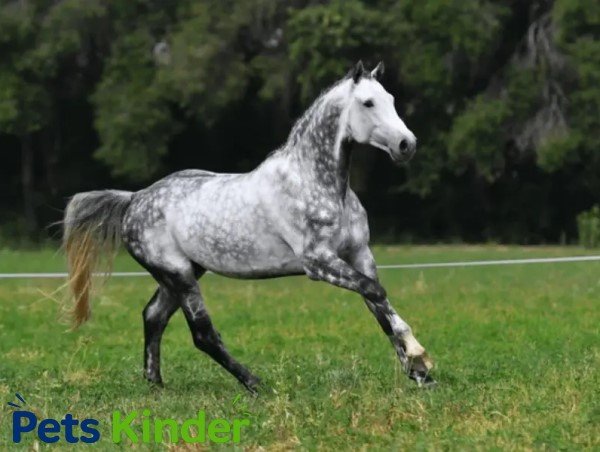
There’s something almost magical about a dapple horse. Those circular, cloud-like patterns rippling across a horse’s coat have stopped people in their tracks for centuries and honestly, it’s not hard to see why. Whether you’ve spotted one at a show ring, on a trail, or grazing in a pasture, a horse with dappling catches the eye in a way that’s difficult to explain but impossible to ignore. But dapples are more than just good looks. Understanding what causes them, how to care for a dappled horse, and what to expect over a lifetime with one makes you a far better owner and a more informed buyer.
What Is a Dapple Horse?
A dapple horse isn’t a breed it’s a coat pattern. Dappling refers to those distinctive, rounded lighter circles that appear against a darker base coat, creating a mottled, almost iridescent effect. The pattern results from uneven pigment distribution in the hair follicles, which creates areas of slightly lighter and darker growth across the body.
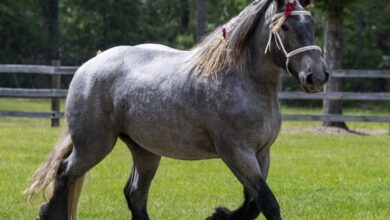
Dappling shows up across many different breeds and base colors. You’ll see it most dramatically on gray horses, where it often appears as a stunning intermediate stage between a dark young coat and the fully white coat that develops with age. However, dappling also appears on bays, chestnuts, buckskins, and blacks often described as dapple gray, dapple bay, or dapple chestnut depending on the underlying coat color.
The Science Behind the Pattern
The exact mechanism behind dappling isn’t entirely pinned down, but most equine researchers point to a combination of genetics, nutrition, and overall health as contributing factors. In gray horses, dappling is largely genetic a predictable phase in the graying process. In other coat colors, dappling tends to be a sign of exceptional health and condition. A horse in peak nutritional shape, with a well-functioning coat, often develops more pronounced dapples than one that’s poorly fed or under stress.
This connection between condition and coat quality is worth remembering. If your horse suddenly loses its dapple pattern, it may be worth taking a closer look at their diet, workload, or underlying health.
Key Characteristics of a Dapple Horse
Since dappling is a coat characteristic rather than a breed trait, dapple horses don’t share a single set of physical features. However, there are some consistent visual qualities worth knowing.
Color Variations and Appearance
The most common type people picture when they hear “dapple horse” is the dapple gray a horse with a gray base coat showing lighter, rounded circles across the hindquarters, barrel, and shoulders. These horses are breathtaking in motion, particularly when the light catches their coat at the right angle.
Dapple bays carry a rich brown-red base coat with the characteristic circular lighter patches, while dapple chestnuts lean toward a warm copper tone with subtle patterning. Dapple blacks, though rarer, show a dark steel-gray coloring with just enough variation in tone to create visible circles. Each variation has its own visual appeal, but all share that same hallmark quality a coat that looks almost three-dimensional.
Temperament and Breed Diversity
Because dappling occurs across so many breeds, temperament varies enormously from horse to horse. You’ll find dapple patterns on everything from Andalusians and Thoroughbreds to Warmbloods, draft horses, and Welsh ponies. As a result, the personality of a dapple horse depends almost entirely on its breed and individual upbringing rather than its color pattern.
Diet and Nutrition for a Dapple Horse
Nutrition plays a more significant role in dapple coat quality than many owners initially realize. A horse that’s nutritionally balanced and well-conditioned will often display more vivid, clearly defined dappling than one on a poor diet especially in non-gray horses where the pattern is closely tied to overall health.
Building a Coat-Supportive Diet
High-quality forage forms the foundation. Good grass hay or pasture should make up the bulk of the diet, supplemented with a balanced concentrate or ration balancer appropriate for the horse’s age, weight, and workload. Omega-3 fatty acids, found naturally in fresh grass and available through flaxseed or fish oil supplements, contribute significantly to coat health and shine. Many owners of particularly dappled horses swear by regular flaxseed supplementation as a way to enhance the coat’s natural luster.
Adequate zinc and copper levels also matter both minerals play a direct role in pigmentation and coat quality. If your horse’s diet is heavy in straight grains or unbalanced hay without a proper mineral supplement, deficiencies in these areas can dull the coat and reduce dapple visibility. Work with your veterinarian or an equine nutritionist to ensure the mineral profile of your horse’s diet is genuinely balanced, not just adequate on paper.
Health and Care
Caring for a dapple horse follows the same principles as caring for any horse, but a few specifics deserve extra attention particularly when it comes to coat maintenance and the management of gray horses as they age.
Grooming and Coat Maintenance
Regular grooming is one of the most effective ways to keep dapples looking their best. Consistent curry combing stimulates circulation in the skin and distributes natural oils throughout the coat, which enhances the depth and clarity of the pattern. Many owners find that a soft finishing brush used after the curry comb brings out a shine that makes dapples genuinely pop.
Bathing should be done with a mild, pH-balanced equine shampoo. Over-bathing strips the coat of its natural oils and can actually reduce the coat’s ability to reflect light, making dapples less visible. A coat conditioner or show sheen product used occasionally can enhance the visual effect, particularly for horses being shown.
Sun Exposure and Gray Horses
Gray horses the most dramatically dappled of all face an additional health consideration: a significantly elevated risk of melanoma. Research shows that a very high percentage of gray horses develop melanomas by middle age, most commonly around the tail, anus, genitalia, and parotid gland area. The good news is that many of these melanomas grow slowly and remain benign for years or even decades. Regular veterinary checks allow early detection and help determine when, if ever, treatment becomes necessary.
Common Issues and Diseases
Beyond melanoma in grays, dapple horses face the same health challenges as any equine. However, a few conditions are worth highlighting.
Skin Conditions and Coat Changes
Conditions like rain rot (dermatophilosis) and ringworm can disrupt coat uniformity and make dappling less visible or cause patchy hair loss. Both are manageable with proper treatment, but they underscore the importance of keeping your horse’s skin clean and dry, particularly during wet seasons.
Cushing’s Disease (PPID)
Older horses, including many aging grays, are susceptible to Pituitary Pars Intermedia Dysfunction commonly called Cushing’s disease or PPID. One of the hallmark signs is a change in coat quality and growth cycle, which can dramatically alter or eliminate a horse’s dapple pattern. Other symptoms include a long, curly coat that fails to shed, increased water consumption, and muscle wasting. Early diagnosis through a simple blood test allows effective management with medication and dietary adjustments.
Laminitis
Heavy-bodied horses or those kept on rich pasture without adequate management are at risk for laminitis a painful, potentially career-ending inflammation of the sensitive laminae inside the hoof. Horses with Cushing’s disease face an even higher laminitis risk. Careful pasture management, regular farrier care, and routine veterinary monitoring are the best preventive measures.
Lifespan and Long-Term Considerations
Most horses live between 25 and 30 years with good care, and dapple horses are no exception. The long-term trajectory of a dapple horse’s coat, however, is worth understanding before you commit to one especially if the visual appeal of that coat is part of the attraction.
Gray horses will continue to lighten throughout their lives. A stunning dapple gray at age 5 or 6 may be nearly white by age 12 or 15, with dapples fading or disappearing entirely as the graying process completes. This isn’t a health issue it’s simply genetics running its course. Many owners find that a fully dipped white gray horse is equally beautiful in its own right.
For non-gray dapple horses, the pattern may come and go depending on season, diet, and health status. Summer coats often show more vivid dappling than thick winter coats, and horses in peak condition during spring and fall frequently display their most striking patterns during those months.
Planning for long-term care means budgeting for regular veterinary visits, dental care, farrier services every six to eight weeks, and appropriate senior feed adjustments as your horse ages past 15 or 16. The investment is considerable, but the reward a healthy, well-cared-for dapple horse in his prime is genuinely hard to put a price on.
Why the Dapple Horse Continues to Captivate
At the end of the day, the appeal of a dapple horse goes beyond aesthetics, though the aesthetics are undeniably part of it. These horses represent something that resonates deeply with anyone who spends time around them: the visible connection between good care and a thriving animal. That coat pattern those perfectly imperfect circles rippling across muscle and movement is, in many ways, a living testament to good husbandry. Take care of your horse, and the horse shows it. Few things in the equine world are quite as satisfying as that.