Baby Ferrets: A Complete Guide to Raising Happy and Healthy Little Companions

Discover their playful personality, care needs, diet, health concerns, and what to expect as they grow
Understanding Baby Ferrets and Their Unique Personality
Baby ferrets are energetic, curious, and playful pets that have captured the hearts of many animal lovers. Known for their silly behavior, intelligence, and affectionate nature, these small mammals can bring plenty of excitement and companionship to the right household.
Young ferrets are especially known for their endless curiosity. They love exploring new spaces, investigating objects, and interacting with their owners. Their playful movements and entertaining personalities often make them feel more like a combination of a cat and a puppy than a traditional small pet.
Before bringing one home, it is important to understand that baby ferrets require attention, proper care, and a safe environment. They are active animals with specific nutritional and social needs, and responsible ownership helps them grow into healthy and well-adjusted companions.
Key Features and Characteristics
Appearance and Physical Traits
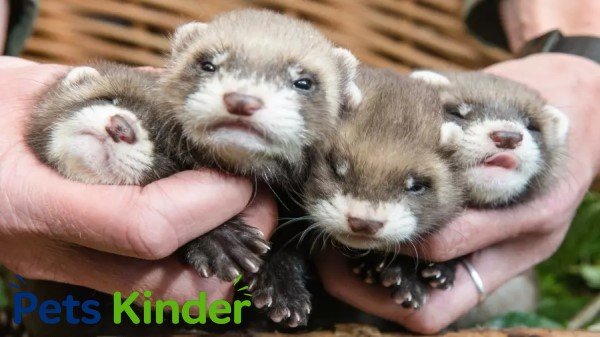
Baby ferrets are small, slender animals with long bodies, short legs, and flexible movements that allow them to squeeze into narrow spaces. Their soft coats come in different colors and patterns, including sable, white, black, and mixed shades.
One of their most recognizable features is their playful body language. They often bounce, run, hide, and explore with excitement. Many owners find their energetic behavior entertaining and enjoyable to watch.
Although they are small in size, baby ferrets have big personalities. They are intelligent animals that can learn routines, respond to their names, and even be trained to use a litter box with patience and consistency.
Behavior and Temperament
Baby ferrets are naturally social and enjoy spending time with people and other ferrets. They form strong bonds with their owners and often seek interaction through play and exploration.
These animals are known for their mischievous nature. They may hide toys, investigate cabinets, or create their own games around the house. Their curiosity makes them fun companions, but it also means owners need to ferret-proof their living spaces.
Because of their intelligence, baby ferrets need mental stimulation. Toys, tunnels, and supervised playtime help prevent boredom and encourage healthy behavior.
Diet and Nutrition Requirements
Proper nutrition is one of the most important parts of caring for baby ferrets. They are obligate carnivores, meaning their bodies require a diet that is high in animal-based protein and fat.
A quality ferret food formulated specifically for their nutritional needs is usually the best choice. These foods provide the necessary balance of protein, fats, vitamins, and minerals required for growth and energy. Some owners also provide carefully selected meat-based foods under proper guidance.
Baby ferrets have fast metabolisms and small stomachs, so they often need frequent access to food. Fresh water should always be available and replaced regularly.
Avoid feeding foods that are high in carbohydrates, sugar, or plant-based ingredients. Items such as sweets, dairy products, and many human foods can cause digestive problems or other health concerns.
A veterinarian familiar with exotic pets can provide guidance on creating a healthy feeding routine as the ferret grows.
Health, Care, and Common Issues
Daily Care and Living Environment
A safe and comfortable environment is essential for baby ferrets. They need a spacious cage or designated area with soft bedding, hiding spaces, toys, and opportunities for movement.
Since they are naturally curious, homes should be carefully prepared before allowing free exploration. Electrical cords, small objects, open windows, and unsafe gaps should be secured because ferrets can easily get into places they should not.
Regular cleaning is also important. Bedding, litter areas, and food dishes should be maintained to reduce odors and support good hygiene.
Baby ferrets also need daily interaction and exercise outside their enclosure. Supervised playtime helps them stay physically active and mentally stimulated.
Common Health Problems
Like other pets, baby ferrets can experience health problems. Some common concerns include digestive issues, dental problems, parasites, ear infections, and respiratory conditions.
Young ferrets may also be vulnerable to illnesses if they do not receive proper veterinary care. Regular checkups, vaccinations recommended by a veterinarian, and parasite prevention are important parts of responsible ownership.
Owners should watch for warning signs such as sudden weight loss, reduced energy, changes in appetite, unusual breathing, or changes in bathroom habits. Early attention can make a significant difference in treatment outcomes.
Characteristics, Lifespan, and Long-Term Considerations
Baby ferrets can become loving companions for many years when they receive proper care. Their lifespan is often around 5 to 10 years, depending on genetics, diet, environment, and healthcare.
Before adopting one, owners should consider the long-term commitment involved. These pets require daily attention, regular cleaning, veterinary care, and plenty of opportunities for play.
As they grow, ferrets maintain their playful personalities but may become calmer and more predictable. Building trust early through gentle handling and positive interactions helps create a stronger relationship.
It is also important to consider that ferrets are not ideal for every household. They may not be the best choice for homes with very young children or other animals that may not interact safely with them. Careful supervision and responsible introductions are necessary.
Training and Socialization Tips
Training baby ferrets can be a rewarding experience. They are intelligent and can learn basic behaviors with patience and consistency.
Litter training, name recognition, and simple routines are possible when owners use positive reinforcement. Treats, praise, and repetition can encourage good habits.
Socialization from an early age helps them become more comfortable around people and new experiences. Gentle handling teaches them that human interaction is safe and enjoyable.
Providing enrichment activities such as tunnels, puzzle toys, and exploration games can keep their active minds engaged and reduce unwanted behaviors.
Final Thoughts on Caring for Baby Ferrets
Baby ferrets are unique pets with playful personalities, impressive intelligence, and a strong ability to bond with their owners. Their curiosity and energy make them entertaining companions, but they also require dedication and proper care.
With a nutritious diet, safe environment, regular health monitoring, and plenty of attention, these small animals can become wonderful members of the family. Understanding their needs from the beginning helps ensure a happy, healthy, and rewarding relationship for years to come.