Everything You Need to Know About Colors, Weight, Size, Price, and Care
If you’ve spent any time researching backyard meat rabbits, you’ve probably come across Tamuk rabbits and wondered what makes them so different from the usual New Zealand White or Californian. Tamuk rabbits aren’t a formally recognized breed in the traditional sense they’re a composite, purpose-built by Texas A&M University-Kingsville to solve one very specific problem: heat. While most rabbit breeds struggle once temperatures climb past 85°F, Tamuk rabbits keep eating, growing, and breeding right through a scorching Texas summer. That single trait has made them a favorite among homesteaders, small-scale meat producers, and hobbyists who live in hot, humid climates where other breeds simply can’t keep up.
In this guide, we’ll walk through everything that makes Tamuk rabbits worth considering, from their origin story to their diet, health needs, and what you can expect to pay if you decide to bring some home.
The Origin Story Behind Tamuk Rabbits
The name itself is a clue to where these animals came from. Developed in the mid-1980s by Dr. Steven Lukefahr at Texas A&M University-Kingsville, Tamuk rabbits were engineered by crossing seven distinct breeds: New Zealand Red, Siamese Satin, Californian, New Zealand White, Dutch, Champagne d’Argent, Harlequin, and Havana. The goal wasn’t fancy show-ring looks. Instead, researchers wanted a hardy, fast-growing meat rabbit that could survive brutal southern heat without losing productivity. As a result, Tamuk rabbits ended up with longer ears and thinner fur coats than most commercial breeds, both of which help them dissipate body heat far more efficiently.
Because they were bred from so many different genetic lines, Tamuk rabbits never developed a single standardized appearance, and the American Rabbit Breeders Association doesn’t officially recognize them. That hasn’t slowed their popularity one bit. Homesteaders across the country now raise Tamuk rabbits specifically because that genetic diversity gives them vigor, disease resistance, and reliable litters that many purebred lines can’t match.
Key Features and Characteristics
Tamuk Rabbits Colors
One of the most eye-catching things about Tamuk rabbits is how varied they look from one litter to the next. Because of their mixed ancestry, Tamuk rabbits colors span an enormous range you’ll find agouti, black, blue, chocolate, lilac, cream, opal, seal, Siamese, chinchilla, Himalayan, albino, steel, and even harlequin patterns like Japanese and magpie, along with solid red. No two rabbitries produce identical-looking stock, which is part of the charm. If you want a uniform look, Tamuk rabbits probably aren’t for you, but if you enjoy the surprise of a colorful, unpredictable litter, this breed delivers every time.
Tamuk Rabbits Size and Build
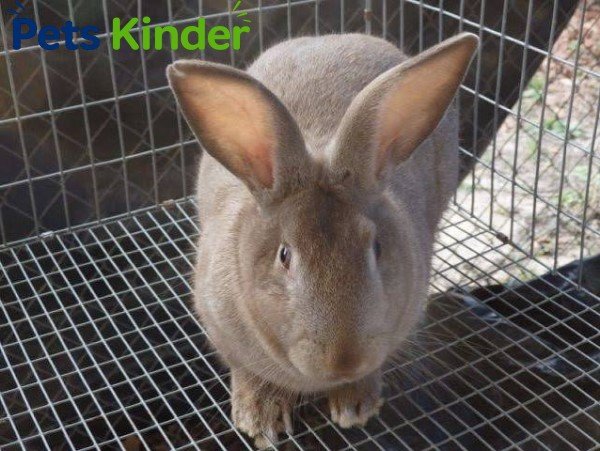
In terms of body type, Tamuk rabbits generally resemble the New Zealand or Californian mold, with a solid, well-muscled frame built for meat production. Tamuk rabbits size falls into the medium-to-large category, with good length and depth through the body and noticeably strong hindquarters. Their large, thin-furred ears aren’t just for show they’re a functional cooling system that sets Tamuk rabbits apart from stockier, heavier-coated breeds.
Tamuk Rabbits Weight: What to Expect
Adult Tamuk rabbits weight typically lands somewhere between 9 and 12 pounds, though breeders often aim for a minimum of 10 pounds in their breeding stock. That places them right in line with popular commercial breeds like the New Zealand White. Growth rate is where Tamuk rabbits genuinely shine: many lines reach the standard 5-pound processing weight by 10 weeks of age, a couple of weeks faster than the 12-week benchmark considered typical for most meat breeds. For anyone raising rabbits primarily for meat, that faster turnaround translates directly into lower feed costs per pound produced.
Diet and Nutrition
Tamuk rabbits don’t require anything exotic in terms of feeding. A quality commercial rabbit pellet, formulated for growth or breeding depending on the animal’s stage, should make up the bulk of the diet. Fresh hay, particularly timothy or orchard grass, supports healthy digestion and helps wear down their continuously growing teeth. Many owners also supplement with leafy greens and garden forage, though new foods should always be introduced gradually to avoid digestive upset. Because Tamuk rabbits grow quickly, breeders and does raising litters need slightly higher protein intake, while adult pets or retired breeding stock do better on a maintenance-level formula. Fresh water should always be available, and in hot weather, a frozen water bottle or ceramic tile placed in the hutch helps keep both hydration and body temperature in check.
Health, Care, and Common Issues
Tamuk rabbits are generally considered a hardy, disease-resistant breed, largely thanks to the genetic diversity baked into their development. That said, they still benefit from the same preventive care every rabbit needs: clean, dry housing, wire or slatted flooring to reduce moisture buildup, and regular monitoring for common rabbit ailments like GI stasis, ear mites, and respiratory infections. Because Tamuk rabbits have thinner fur and larger ears, owners in colder climates should provide extra shelter and bedding during winter months, since the same traits that make them heat-tolerant can work against them in the cold. Routine nail trims, dental checks, and a clean water source go a long way toward keeping any Tamuk healthy year-round. Breeders in particular should watch body condition closely, since does that are too heavy or too thin can experience fertility issues.
Lifespan and Long-Term Considerations
With proper care, Tamuk rabbits typically live between 8 and 10 years, similar to many mid-sized domestic breeds. Commercial breeders usually rotate breeding stock out well before that age to maintain strong litters, but as pets, Tamuk rabbits can comfortably live out a full, healthy lifespan. Prospective owners should think ahead about housing space, veterinary access, and whether they’re prepared for a decade-long commitment, since these animals are just as capable of becoming beloved companions as they are productive homestead livestock.
Tamuk Rabbits Price and Finding Tamuk Rabbits for Sale
Tamuk rabbits price generally runs more affordably than show-quality purebred rabbits, since these animals are valued for hardiness and production rather than pedigree. Expect to pay anywhere from $20 to $60 per rabbit depending on the breeder, region, and whether the animal is intended for breeding or pet purposes. When searching for Tamuk rabbits for sale, it’s worth reaching out to established rabbitries who can trace their lines back to reputable breeding programs, since quality and temperament vary more in composite breeds than in ARBA-recognized ones. Online rabbit forums and regional homesteading groups are often the best places to track down legitimate Tamuk rabbits for sale, and a good breeder will happily answer questions about lineage, temperament, and growth rates before any sale.
Final Thoughts
Tamuk rabbits offer a rare combination of heat tolerance, fast growth, and colorful variety that’s hard to find in a single breed. Whether you’re drawn to them for backyard meat production or simply want a docile, low-maintenance companion animal, Tamuk rabbits reward attentive owners with steady productivity and a surprisingly gentle temperament. For anyone living in a hot climate who’s struggled to keep other breeds thriving, Tamuk rabbits might just be the answer you’ve been looking for.