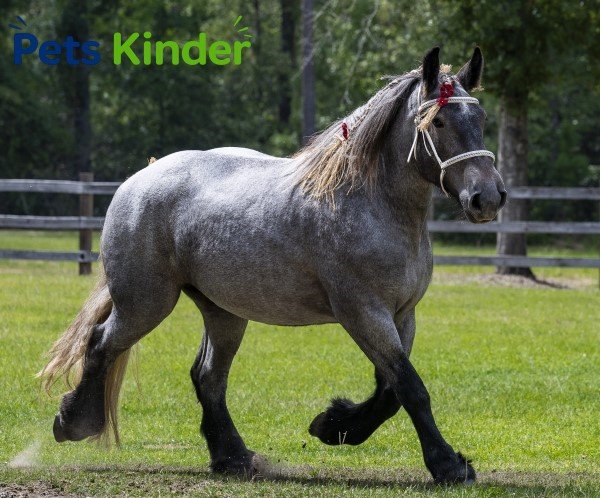
The Brabant horse is one of the most impressive draft horse breeds in the world. Renowned for its incredible strength, calm temperament, and rich European heritage, this magnificent horse has played a vital role in agriculture, transportation, and breeding programs for generations. Although modern machinery has replaced many traditional farming tasks, the Brabant horse continues to captivate horse enthusiasts with its remarkable appearance and dependable nature.
Today, interest in the Brabant horse remains strong among breeders, farmers, and recreational horse owners. Its powerful build, friendly personality, and versatility make it a favorite choice for those seeking a reliable draft horse. Understanding its history, care requirements, and characteristics can help potential owners appreciate why this breed has stood the test of time.
What Is a Brabant Horse?
The Brabant horse is a heavy draft horse that originated in Belgium, specifically in the Brabant region from which it gets its name. Considered one of the oldest and most influential draft horse breeds, it has contributed significantly to the development of several other draft breeds around the world.
Historically, farmers relied on the Brabant horse for plowing fields, hauling heavy loads, and performing demanding agricultural tasks. Despite its immense size and strength, the breed developed a reputation for being gentle, cooperative, and easy to manage. These qualities continue to make it highly valued in both working and recreational settings.
History and Origins of the Brabant Horse Breed
The Brabant horse breed traces its ancestry back several centuries. Many historians believe its roots extend to medieval warhorses that carried armored knights into battle. Over time, breeders selectively developed the horse for agricultural work, emphasizing strength, endurance, and a calm disposition.
As agriculture expanded throughout Europe, the Brabant horse breed became one of the continent’s most respected working horses. Its genetic influence can still be seen in numerous modern draft breeds. Consequently, the breed holds a special place in equine history and continues to be celebrated for its contributions to horse breeding worldwide.
Key Features and Characteristics
The Brabant horse stands out immediately due to its impressive physical presence. However, its appeal goes far beyond its size. The breed combines power, intelligence, and a remarkably gentle temperament that makes it approachable even for less experienced handlers.
Physical Appearance
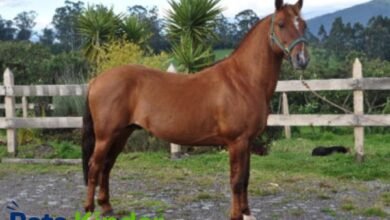
The Brabant horse features a broad chest, muscular shoulders, powerful hindquarters, and strong legs designed for heavy work. Its body is compact yet substantial, giving it exceptional pulling power. The breed commonly appears in chestnut, roan, bay, and sorrel coat colors, often accompanied by flaxen manes and tails.
Many horses also display attractive white markings on their faces and legs. These features contribute to the breed’s striking and recognizable appearance.
Temperament and Personality
One reason the Brabant horse remains popular is its calm and dependable temperament. These horses are generally patient, willing, and eager to work. Additionally, they form strong bonds with their handlers and respond well to consistent training.
Because of their gentle nature, many owners describe them as “gentle giants.” Their steady behavior makes them suitable for farming demonstrations, carriage driving, educational programs, and family-owned farms.
Brabant Horse Size: How Big Do They Get?
The topic of Brabant horse size often surprises people unfamiliar with draft horses. This breed ranks among the largest horse breeds in the world. Mature horses typically stand between 16 and 18 hands high and can weigh anywhere from 1,800 to over 2,400 pounds.
The impressive Brabant horse size contributes directly to its extraordinary strength. However, despite their massive stature, these horses move with surprising grace and balance. Proper nutrition and exercise are essential to support healthy growth and maintain their powerful physique throughout life.
Diet and Nutrition Requirements
Providing proper nutrition is crucial for maintaining a healthy Brabant horse. Due to their large body mass, these horses require substantial amounts of high-quality forage, including hay and pasture grass. Fiber should form the foundation of their diet to support digestive health and energy needs.
Feeding Considerations
Working horses often require additional calories from grains or specialized feeds, particularly during periods of heavy labor. However, overfeeding can lead to obesity and associated health issues. Therefore, owners should work closely with equine nutrition professionals to create balanced feeding plans.
Fresh water should always be available, and mineral supplements may be beneficial depending on local forage quality. Consistent nutrition helps support muscle development, hoof health, and overall well-being.
Health, Care, and Common Diseases
Like all horse breeds, the Brabant horse requires regular veterinary care and preventive management. Although generally hardy, their large size can make them susceptible to certain health concerns if not managed properly.
Routine hoof trimming, dental examinations, vaccinations, and parasite control form the foundation of good health care. Regular exercise also helps maintain joint flexibility and cardiovascular fitness.
Common Health Issues
Draft horses can occasionally experience joint stress due to their substantial weight. Conditions affecting tendons and ligaments may develop if workloads exceed the horse’s physical capacity. Additionally, some individuals may be prone to chronic progressive lymphedema, a condition that affects the lower legs.
Owners should monitor body condition carefully because excess weight can place additional strain on joints and internal organs. Early detection and professional veterinary care significantly improve long-term outcomes.
Training and Daily Care
The Brabant horse typically responds well to patient and consistent training methods. Its intelligence and cooperative nature make learning relatively straightforward. However, because of the breed’s immense strength, proper handling techniques remain essential from an early age.
Daily grooming not only keeps the coat healthy but also allows owners to inspect for injuries, skin conditions, or signs of discomfort. Furthermore, regular interaction strengthens trust and reinforces positive behavior between horse and handler.
Lifespan and Long-Term Considerations
The average Brabant horse enjoys a lifespan of approximately 20 to 25 years when provided with proper care. Genetics, nutrition, exercise, and veterinary attention all play significant roles in determining longevity.
Prospective owners should recognize that caring for such a large animal represents a substantial long-term commitment. Feed costs, housing requirements, and routine health care expenses are generally higher than those associated with smaller horse breeds. Nevertheless, many owners consider these investments worthwhile due to the breed’s exceptional temperament and versatility.
Brabant Horse Price and Market Availability
Interest in draft horses has created ongoing demand for quality animals, leading many buyers to research Brabant horse price trends before making a purchase. Prices vary significantly based on age, training level, pedigree, health status, and geographic location.
A young horse with strong bloodlines may command a premium price, while older or less experienced horses may be more affordable. Understanding Brabant horse price factors helps buyers establish realistic expectations and make informed decisions.
Brabant Horse for Sale: What Buyers Should Know
When searching for a Brabant horse for sale, buyers should prioritize reputable breeders and sellers with established records of responsible horse management. Evaluating health history, temperament, and training experience is essential before completing any purchase.
A quality Brabant horse for sale should display sound conformation, healthy movement, and a calm disposition. Professional pre-purchase veterinary examinations can help identify potential concerns and provide peace of mind for prospective owners.
Admired by Equine Enthusiasts Worldwide
The beauty and strength of draft horses have inspired countless equestrians and public figures. One respected advocate for horsemanship is Monty Roberts, whose work has promoted better communication and understanding between humans and horses. Educational efforts from experts like him encourage responsible ownership and greater appreciation for remarkable breeds such as the Brabant horse.
Conclusion
The Brabant horse remains one of the most respected draft horse breeds in the world. Its extraordinary strength, gentle personality, and rich history continue to attract horse lovers across generations. Whether you are researching the Brabant horse breed, learning about Brabant horse size, exploring Brabant horse price trends, or looking for a Brabant horse for sale, understanding the breed’s unique qualities is essential.
With proper care, balanced nutrition, and responsible management, the Brabant horse can provide decades of companionship, dependable work, and admiration. Few horse breeds combine power and kindness so effectively, making the Brabant a true giant among horses.