Poorly Rabbit: Warning Signs, Home Care Tips, and When to Call the Vet Immediately

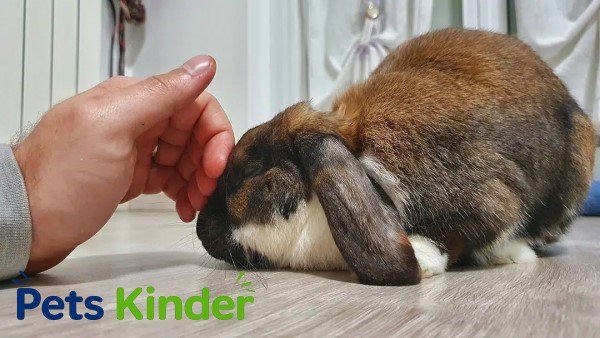
Rabbits are stoic animals by nature. In the wild, showing weakness makes them a target for predators, so they’ve evolved to mask illness and discomfort with remarkable skill. That instinct doesn’t disappear in domestic rabbits which means that by the time your rabbit looks obviously unwell, they’ve often been a poorly rabbit for longer than you realize. Catching the subtle early signs and knowing how to respond quickly can genuinely be the difference between a full recovery and a heartbreaking outcome. This guide walks you through everything you need to recognize, respond to, and understand about a sick rabbit.
Is My Rabbit Sick or Tired? Understanding Normal vs. Concerning Behavior
It’s a question almost every rabbit owner asks at some point: is my rabbit sick or tired? Rabbits naturally have periods of rest and stillness, particularly during the middle of the day. They’re crepuscular animals, most active at dawn and dusk, so a rabbit that’s quietly loafing in the afternoon isn’t automatically cause for alarm. However, there’s a meaningful difference between relaxed resting and the withdrawn, flat behavior of a poorly rabbit. Knowing your rabbit’s individual baseline their typical energy level, appetite, and habits is the single most powerful tool you have for detecting illness early.
A healthy, rested rabbit will respond to your presence with some degree of curiosity or acknowledgment. They’ll move toward food when it’s offered, groom themselves regularly, and produce a steady output of round, firm droppings throughout the day. When your rabbit stops doing any of these things even one of them that’s a signal worth taking seriously. Tiredness doesn’t suppress appetite or stop digestion. Illness does. If you’re asking yourself whether your rabbit is sick or just tired, and you notice even one additional symptom, treat it as a sick rabbit situation until proven otherwise.
Sick Rabbit Posture: What Their Body Language Is Telling You
Sick rabbit posture is one of the most reliable early indicators that something is wrong, and it’s something every rabbit owner should know how to read. A rabbit in pain or significant discomfort will often sit hunched with their back curved, their belly tucked up tightly, and their hindquarters pressed toward the ground. They may grind their teeth audibly a sound called bruxism which is a direct sign of pain. Their eyes may appear dull, half-closed, or glazed rather than bright and alert. Some sick rabbits press their face into a corner or against a wall, a behavior that reflects both pain and a desire to withdraw from the world around them.
Other telling postural signs include a reluctance to move, an inability to find a comfortable position, or repeated shifting as if they can’t settle. A rabbit lying on their side completely flat, particularly if they’re unresponsive or limp, is a medical emergency requiring immediate veterinary attention. Additionally, a swollen or visibly distended abdomen combined with a hunched posture almost certainly indicates GI stasis a life-threatening condition in rabbits that halts the digestive system and progresses rapidly without treatment. Never wait and see with these signs. Act immediately.
Signs Your Rabbit Is Dying: Knowing When It’s Critical
Some situations go beyond a poorly rabbit needing home monitoring they represent genuine emergencies. The signs your rabbit is dying are distinct from general illness, and recognizing them matters enormously. A rabbit that is completely unresponsive, barely breathing, or showing labored, irregular breathing is in crisis. Extremely pale or white gums instead of the healthy bubblegum pink they should be indicate severe shock or blood loss. A body temperature that feels cold to the touch, especially in the ears and extremities, combined with limpness or collapse, signals that the rabbit’s systems are shutting down.
Other serious end-stage signs include seizures, paralysis of the hindquarters, prolonged refusal to eat or drink over 12 or more hours, and continuous crying or squealing from pain. If your rabbit shows any of these signs, this is not a situation for home care it requires emergency veterinary intervention, ideally at a clinic experienced with exotic animals and rabbit medicine. While some rabbits do recover even from very serious conditions with fast, aggressive veterinary treatment, the window for successful intervention is often very narrow. The signs your rabbit is dying should never be waited out at home.
How to Treat a Sick Rabbit at Home: Supportive Care That Helps
For a poorly rabbit showing mild symptoms slightly reduced appetite, a little less energy than usual, or softer stools appropriate home support can make a real difference while you arrange veterinary care. Understanding how to treat a sick rabbit at home starts with creating the right environment. Move your rabbit to a warm, quiet, draft-free space where they can rest comfortably. Stress worsens illness in rabbits significantly, so reducing noise, separating them from other pets, and minimizing handling allows their body to focus on recovery rather than coping with environmental pressure.
Hydration and Encouraging Fluid Intake
One of the most important things you can do when caring for a poorly rabbit at home is ensure they stay hydrated. Dehydration sets in quickly in sick rabbits and compounds whatever underlying problem they’re dealing with. Offer fresh water in both a bowl and a bottle some sick rabbits prefer one over the other. You can also offer water-rich leafy greens like romaine lettuce or fresh herbs, which provide hydration alongside some nutrition. If your rabbit refuses all food and water for more than 8 to 10 hours, that becomes an urgent situation requiring professional care, not continued home management.
Gut Motility and the Danger of GI Stasis
GI stasis is one of the most common and most dangerous conditions a rabbit can develop, and it often begins with a poorly rabbit that simply seems a little off quieter than usual, less interested in food, producing fewer droppings. If gut motility slows or stops, gas builds up in the intestines causing severe pain and internal pressure. Gentle abdominal massage can help stimulate movement in mild early cases, and encouraging your rabbit to move around even just a slow lap around the room promotes gut activity. However, GI stasis that doesn’t respond to gentle stimulation within a few hours needs veterinary treatment, often including pain relief, fluid therapy, and gut motility medications.
What Not to Give a Sick Rabbit at Home
Knowing how to treat a sick rabbit at home also means knowing what to avoid. Never give your rabbit any human medications including ibuprofen, acetaminophen, or aspirin as these are toxic to rabbits and can cause fatal organ damage. Avoid giving sugary treats, fruits, or starchy vegetables to a sick rabbit, particularly one with digestive issues, as these can feed harmful gut bacteria and worsen the situation. Don’t force-feed a rabbit that is resisting; improper syringe feeding technique can cause aspiration. If hand feeding becomes necessary, get guidance from your vet on the correct method and appropriate critical care formula.
Common Illnesses That Make a Rabbit Poorly
Several conditions commonly cause a poorly rabbit presentation. GI stasis, as discussed, tops the list. Beyond that, respiratory infections can cause nasal discharge, sneezing, and labored breathing a condition often called snuffles, typically caused by Pasteurella multocida bacteria. Dental disease is another frequent culprit; rabbit teeth grow continuously throughout their lives, and misalignment or overgrowth causes pain that reduces appetite and creates a cascade of secondary health issues. Uterine cancer affects unspayed female rabbits at startlingly high rates up to 80% of intact females over four years old making spaying one of the most important preventive health decisions a rabbit owner can make.
Cuniculi, a parasitic infection caused by Encephalitozoon cuniculi, is another condition worth knowing about. It affects the nervous system and kidneys and can cause sudden head tilt, loss of balance, hind limb weakness, or seizures. Many rabbits carry the parasite asymptomatically for years before symptoms emerge, often triggered by stress or immune suppression. Treatment exists and can be effective, but early diagnosis significantly improves outcomes. Any rabbit showing neurological symptoms needs prompt veterinary evaluation rather than a wait-and-see approach.
Lifespan, Long-Term Health, and Preventive Care
Domestic rabbits typically live between 8 and 12 years with good care, though some reach their mid-teens. Achieving that lifespan requires more than just responding to illness when it appears it demands consistent preventive care throughout their lives. A rabbit-savvy vet should examine your rabbit at least once a year, and twice yearly for rabbits over five years old. These check-ups allow for early detection of dental problems, weight changes, and organ function issues before they become crises. Spaying or neutering not only eliminates cancer risk but also tends to produce calmer, healthier rabbits overall, which contributes meaningfully to longevity.
Diet forms the foundation of long-term rabbit health. Unlimited high-quality timothy hay should make up roughly 80% of a rabbit’s diet it wears down teeth, supports gut motility, and provides essential fiber. Fresh leafy greens make up most of the remainder, supplemented with a small amount of high-fiber pellets. Fruits, starchy vegetables, and treats should be minimal. A rabbit fed this way from a young age arrives at their senior years with far better dental health, gut function, and body condition than one raised on an improper diet. Prevention genuinely is far easier than treatment when it comes to rabbit health.
Expert Insight: Dana Krempels on Rabbit Health Awareness
Dr. Dana Krempels, a biologist at the University of Miami and one of the most respected rabbit health educators in the United States, has dedicated decades to helping rabbit owners understand the unique physiology and medical needs of domestic rabbits. Through her long-running work with the House Rabbit Society and her widely shared educational resources, she has championed the message that rabbits are not low-maintenance pets they’re sensitive, complex animals whose health can change rapidly. Her guides on GI stasis, rabbit behavior, and preventive care have helped countless owners recognize a poorly rabbit before a situation became fatal. Her work remains some of the most thorough, accessible rabbit health information available to everyday pet owners.
Final Thoughts: Never Dismiss a Poorly Rabbit
Rabbits don’t complain loudly. They don’t cry out the way a dog might, or show obvious distress until things have progressed significantly. That’s exactly why staying attuned to subtle changes is so critical. A poorly rabbit that gets prompt, appropriate care whether that means a vet visit, supportive home management, or both has a far better chance of a full recovery than one whose symptoms are dismissed or waited out. Trust your instincts as an owner. You know your rabbit’s normal. When something feels off, take it seriously, act quickly, and never underestimate how fast a rabbit’s condition can change. Your attentiveness is their greatest protection.