Few horses command attention the way a pinto horse does. That sweeping, patchwork coat splashed with islands of white against rich base colors has captivated riders, artists, and horse lovers for centuries. From the open plains of the American West to competitive show rings and trail rides, the pinto horse carries a presence that’s impossible to overlook. But there’s far more to this horse than its striking appearance, and understanding what truly defines the pinto is where things get genuinely interesting.
What Exactly Is a Pinto Horse?
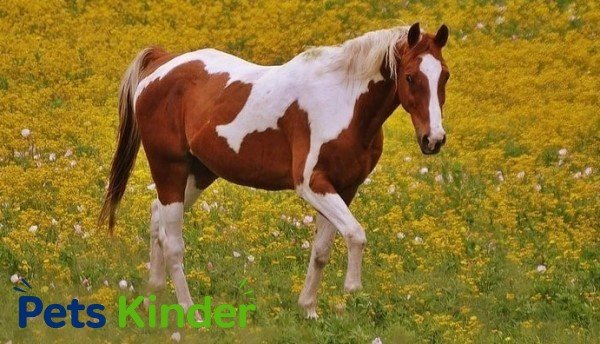
The pinto horse is defined entirely by its coat color pattern rather than by breed. This is one of the most commonly misunderstood aspects of the pinto it is a color type, not a breed. Any horse displaying the characteristic large patches of white combined with another color qualifies as a pinto, regardless of its breed background. Quarter Horses, Thoroughbreds, Arabians, Saddlebreds, and even draft crosses can all carry pinto coloring. The Pinto Horse Association of America, founded in 1956, registers horses based on color pattern across multiple breed types, further cementing pinto as a color classification rather than a single lineage.
That said, the pinto horse carries deep cultural and historical roots that give it an identity far beyond a color registry entry. Native American tribes prized pinto-colored horses for both their camouflage value in certain landscapes and their spiritual significance. Spanish conquistadors brought horses with pinto markings to the Americas, and from there, the color pattern spread through feral herds and selective breeding programs across the continent. Today, the pinto horse represents one of the most recognized and celebrated color patterns in the entire equine world.
Key Physical Characteristics of the Pinto Horse
The Two Primary Pinto Coat Patterns
The pinto horse displays two genetically distinct coat patterns, each with its own visual character. The first is the Tobiano pattern, which is the more common of the two. Tobiano pintos typically show white crossing the topline between the withers and tail, with rounded, smooth-edged patches of color on the neck, chest, and flanks. The legs are often white, and the head usually shows the base color with minimal white facial markings. Tobiano is caused by a dominant gene, meaning a single copy from one parent is enough to produce the pattern in offspring.
The second pattern is the Overo, which presents quite differently. Overo pintos typically show white that does not cross the topline, with irregular, jagged-edged white patches that appear to spread upward from the belly. The face frequently shows extensive white markings, and at least one leg sometimes all four will be dark. Overo is genetically more complex and includes several sub-patterns such as Frame Overo, Splashed White, and Sabino. A combination of Tobiano and Overo genetics produces what the industry calls a Tovero, which blends characteristics of both patterns in a single horse.
Size, Build, and Overall Conformation
Because the pinto horse spans multiple breeds, its physical conformation varies considerably. A pinto Quarter Horse will carry the compact, heavily muscled build typical of that breed, standing between 14.3 and 16 hands. A pinto Arabian will display that breed’s refined, dished face, arched neck, and lighter bone structure. A pinto Saddlebred will show the high-stepping action and elegant carriage characteristic of gaited breeds. What all pinto horses share, regardless of underlying breed, is that instantly recognizable coat the biological anchor of the pinto identity.
Pinto Horse Diet and Nutritional Needs
Core Dietary Requirements for a Healthy Pinto
The dietary needs of a pinto horse follow the same fundamental principles as any light horse breed. High-quality forage forms the nutritional foundation horses require between 1.5 and 2.5 percent of their body weight in forage daily, ideally through pasture grazing, quality grass hay, or a combination of both. For a 1,000-pound pinto horse in moderate work, that translates to roughly 15 to 25 pounds of forage per day. Legume hays like alfalfa provide higher protein and calcium, making them valuable for growing horses, pregnant mares, and horses in heavy athletic conditioning.
Grain and concentrated feeds supplement forage for horses with elevated caloric demands performance horses, hard keepers, and lactating mares all benefit from a well-formulated grain ration. However, many pinto horses with light to moderate workloads maintain excellent body condition on forage alone, supplemented only with a balanced vitamin and mineral supplement. Fresh water must be available at all times, and free-choice loose salt or a salt block helps maintain proper electrolyte balance, particularly during hot weather or periods of heavy sweating.
Special Nutritional Considerations for White-Coated Areas
One nutritional consideration unique to horses with significant white coat areas which many pinto horses carry involves sun sensitivity and skin health. Horses with pink, unpigmented skin beneath white markings are more susceptible to photosensitivity reactions, particularly when consuming certain plants or receiving specific medications. Ensuring a pinto horse has access to shade during peak sun hours and avoiding known photosensitizing plants in pastures protects those vulnerable skin areas. Additionally, some owners supplement with antioxidants like Vitamin E to support skin integrity and immune health in horses with extensive white markings.
Pinto Horse Health, Care, and Common Issues
Overo Lethal White Syndrome: A Critical Genetic Risk
The most serious health concern specific to the pinto horse involves a genetic condition called Overo Lethal White Syndrome, commonly abbreviated as OLWS. This condition occurs when a foal inherits two copies of the Frame Overo gene one from each parent. Foals born with OLWS appear predominantly white with blue eyes and are born seemingly healthy, but they carry a fatal defect: an incomplete and non-functional intestinal tract. These foals cannot pass feces, develop severe colic within hours of birth, and do not survive. Responsible breeders DNA-test Frame Overo horses before breeding to prevent two carriers from being paired.
Why DNA Testing Is Non-Negotiable for Overo Breeders
A simple DNA test, available through several equine genetic laboratories, identifies whether a horse carries one copy of the Frame Overo gene. Horses that test positive as carriers can still be safely bred but only to a non-carrier mate. The risk exists exclusively when two carriers are paired. Because Frame Overo coloring is visually appealing and highly sought after in show pinto horses, breeders face real commercial pressure to produce these patterns, making genetic testing not just responsible practice but an ethical obligation for anyone producing pinto foals.
General Health Concerns and Routine Care
Beyond OLWS, the pinto horse faces the same general health challenges as its underlying breed. Routine care includes regular farriery every six to eight weeks, annual or semi-annual dental floating, core vaccinations against diseases such as Eastern and Western Equine Encephalomyelitis, West Nile Virus, Tetanus, and Rabies, and a strategic deworming program based on fecal egg counts. Additionally, horses with large areas of pink skin require diligent monitoring for sunburn, squamous cell carcinoma, and skin infections in moist or dirty coat areas around white markings.
Pinto Horse Lifespan and Long-Term Ownership Considerations
How Long Does a Pinto Horse Live?
A well-cared-for pinto horse typically lives between 25 and 30 years, with some individuals reaching their mid-30s under exceptional management. Lifespan correlates closely with the underlying breed Arabian-based pintos often carry that breed’s well-documented longevity, while heavier draft-type pintos may age somewhat earlier due to greater skeletal and metabolic load. Consistent veterinary care, quality nutrition, regular dental and hoof maintenance, and appropriate workload throughout the horse’s life all contribute meaningfully to longevity and quality of life in the senior years.
Versatility and Long-Term Usefulness Across Disciplines
One of the most compelling long-term advantages of owning a pinto horse is its extraordinary versatility. Because the pinto designation spans multiple breeds and body types, owners can find a pinto suited to virtually any equestrian discipline Western pleasure, reining, trail riding, hunter under saddle, dressage, and even competitive driving. This cross-disciplinary appeal means a pinto horse can grow with its rider across different interests and skill levels without requiring the owner to seek a different mount as their riding goals evolve.
Famous Personalities and the Pinto Horse’s Cultural Legacy
Legendary Western film star Roy Rogers rode one of the most famous pinto horses in entertainment history a Palomino-Tobiano pinto named Trigger, billed as “The Smartest Horse in the Movies.” Trigger performed hundreds of tricks, appeared in over 100 films and television episodes alongside Rogers, and became so iconic that Rogers had him preserved upon his death in 1965. Trigger’s enduring fame did more to embed the pinto horse into American popular culture than perhaps any other single animal in history, cementing the pinto’s image as the ultimate symbol of the classic American West.
Is a Pinto Horse the Right Choice for You?
If you’re drawn to a horse that turns heads wherever it goes, performs reliably across a broad range of disciplines, and carries a coat pattern steeped in centuries of cultural meaning, the pinto horse delivers on every count. The key is looking past the color pattern and evaluating the individual horse’s breed type, temperament, training level, and health history. A pinto horse is ultimately only as good as the horse underneath the paint, so selecting carefully with the guidance of a knowledgeable trainer or equine veterinarian gives you the best chance of a long, successful partnership.
From the trail to the show pen, from children’s programs to competitive arenas, the pinto horse continues to prove that beauty and substance aren’t mutually exclusive. This is a horse that earns its place through ability and heart and happens to look extraordinary doing it. For riders and owners who want both performance and presence, the pinto horse remains one of the most rewarding choices in the equine world today.