The Pallas Cat: Nature’s Most Expressive Wild Feline You’ve Never Truly Known

If you’ve ever scrolled past a photo of a flat-faced, grumpy-looking cat staring into the camera with pure disdain, you’ve probably already met the Pallas cat. This small wild feline has taken the internet by storm, but behind those viral expressions lies one of the most fascinating and elusive predators in the world. Found across the cold, windswept grasslands of Central Asia, the Pallas cat is a masterclass in survival, adaptation, and wild beauty. It deserves far more than a passing glance.
What Is a Pallas Cat?
The Pallas cat, scientifically known as Otocolobus manul, is a small wild cat native to the grasslands, steppes, and rocky terrain of Central Asia. It was first described by the German naturalist Peter Simon Pallas in 1776, which is how it earned its common name. Also called the manul, this species belongs to the family Felidae and represents one of the oldest lineages of small cats on the planet. Fossil evidence suggests that manuls have existed largely unchanged for around 5 to 10 million years, making them a kind of living relic.
Despite its stocky build and somewhat domestic appearance, the Pallas cat is completely wild and does not make a suitable pet. In fact, it’s one of the few cats that actively resists domestication at every level. Its temperament, physiology, and behavioral patterns are firmly rooted in a life of solitude, extreme cold, and high-altitude hunting. Still, that hasn’t stopped people from falling head over heels for this remarkable little predator.
Key Physical Characteristics of the Pallas Cat
Size, Build, and That Unforgettable Face
The Pallas cat typically weighs between 5 and 10 pounds, which is roughly the size of a domestic cat. However, its thick, dense fur makes it look significantly larger and heavier than it actually is. Adults usually measure between 18 and 26 inches in body length, with a thick tail adding another 8 to 12 inches. That luxurious coat isn’t just for looks it’s a vital adaptation for surviving the brutal winters of Mongolia, Russia, and the Tibetan Plateau, where temperatures can plummet well below freezing.
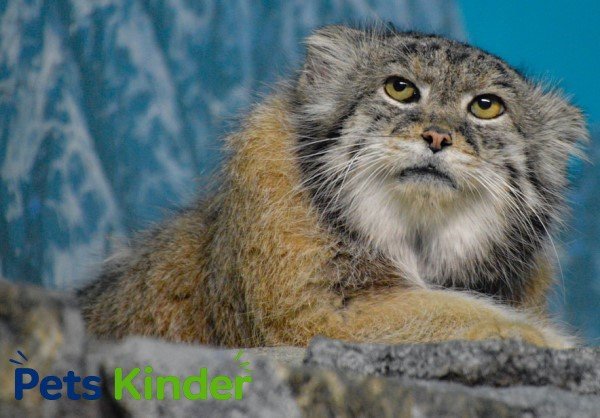
The Pallas cat’s face is what truly sets it apart. Its round pupils, unlike the vertical slits found in most small cats, give it a wide-eyed, almost humanoid expression. Its ears are set low and wide on its flat head, which helps it stay hidden while peering over rocks. Add in the prominent forehead markings, the ruff of fur framing the face, and the perpetually unimpressed expression, and you have one of the most distinctive faces in the animal kingdom.
Coat Color and Seasonal Camouflage
The Pallas cat’s coat varies depending on its geographic range and the season. Generally, its fur ranges from pale gray to rusty ochre, often marked with faint dark stripes or spots on the legs and flanks. During winter, its coat becomes especially thick and pale, helping it blend seamlessly into snow-covered terrain. By summer, the fur becomes shorter and more vibrantly patterned. This seasonal shift in coat texture and tone is a clever evolutionary tool that keeps the Pallas cat one step ahead of both prey and predators alike.
Pallas Cat Diet and Hunting Behavior
What Does the Pallas Cat Eat in the Wild?
The Pallas cat is a strictly carnivorous predator that relies on stealth rather than speed to catch prey. Its primary food sources include small rodents like pikas, voles, and gerbils, which make up the bulk of its diet throughout the year. It also hunts birds, hares, and insects when the opportunity arises. Because it inhabits open terrain with limited cover, the Pallas cat depends on its low-slung body and expert camouflage to stalk prey before delivering a sudden pounce.
Unlike many wild cats that are opportunistic hunters with a wide prey range, the Pallas cat is surprisingly specialized. It demonstrates a strong preference for pikas small, round-eared mammals that share its high-altitude habitat. In regions where pika populations decline, Pallas cat numbers tend to follow. This dependency makes the species particularly vulnerable to shifts in prey availability caused by habitat destruction, overgrazing, and climate change.
Hunting Strategy and Activity Patterns
The Pallas cat is crepuscular and nocturnal by nature, meaning it’s most active at dawn, dusk, and through the night. It uses rocky outcrops, dense shrubs, and shallow burrows as cover while it hunts. Rather than chasing prey over long distances, it prefers to creep low to the ground, using every available piece of terrain as concealment, before launching a short explosive burst toward its target. This energy-efficient strategy is well-suited to the harsh, food-scarce environments the Pallas cat calls home.
Pallas Cat Health, Care, and Common Health Issues
Immune System Vulnerabilities in Captivity
One of the most significant health challenges facing the Pallas cat involves its immune system. Research has revealed that wild Pallas cats have limited exposure to many common pathogens that domestic and captive cats regularly encounter. As a result, when placed in zoos or wildlife facilities, they are highly susceptible to diseases such as toxoplasmosis, a parasitic infection that proves relatively harmless to most domestic cats but can be fatal to manuls. This vulnerability has historically made captive breeding programs extremely difficult to maintain.
Toxoplasmosis: The Primary Captive Threat
Toxoplasmosis is caused by the parasite Toxoplasma gondii and spreads through contaminated food, water, or contact with infected animals. For the Pallas cat, exposure in captive settings particularly in facilities that also house domestic cats can trigger severe neurological and respiratory symptoms that often prove fatal. Modern zoos that successfully house Pallas cats maintain strict quarantine protocols, specialized diets, and carefully controlled environments to minimize this risk. It’s a sobering reminder of how delicate wild animals truly are outside their natural ecosystems.
Other Notable Health Concerns
Beyond toxoplasmosis, captive Pallas cats can suffer from respiratory infections, gastrointestinal disorders, and stress-related conditions. Their need for solitude and wide ranging territory makes captivity inherently stressful. In the wild, they also face threats from mange, internal parasites, and injuries sustained during hunting or territorial disputes. Conservation facilities invest heavily in enrichment programs, temperature-controlled enclosures, and specialized nutrition to address these challenges and improve captive survivorship.
Pallas Cat Lifespan and Long-Term Survival
How Long Do Pallas Cats Live?
In the wild, the Pallas cat typically lives between 3 and 4 years, though some individuals may survive longer depending on prey availability, predator pressure, and environmental conditions. The harsh realities of their native habitat extreme weather, food scarcity, and competition from other predators like eagles and wolves mean that wild Pallas cats rarely reach old age. In well-managed captive settings, however, they can live significantly longer, with some individuals reaching 10 to 12 years under optimal care.
Conservation Status and Ongoing Threats
The Pallas cat is currently listed as Least Concern on the IUCN Red List, but that classification can be misleading. Population trends are declining across much of its range, and several regional subpopulations face serious threats. Hunting for its fur which is prized in parts of Central Asia has historically reduced numbers significantly. Today, habitat loss driven by overgrazing, agricultural expansion, and infrastructure development continues to fragment Pallas cat territory. Additionally, the decline of prey species, particularly pikas, creates cascading food security issues for the species.
Conservation organizations such as the Pallas’s Cat International Conservation Alliance, known as PICA, are actively working to monitor wild populations, support local community education, and facilitate better-managed captive breeding programs. Their efforts have improved survival rates in captivity and generated valuable data on wild behavior and movement patterns through camera trap studies and GPS tracking initiatives in Mongolia, China, and Russia.
Famous Personalities and the Pallas Cat’s Cultural Moment
The Pallas cat’s internet fame reached a remarkable peak when wildlife photographer and BBC documentary contributor Gordon Buchanan featured the species in various wild cat programming, bringing its quirky expressions and remarkable story to mainstream audiences worldwide. Additionally, American talk show host and dedicated animal advocate Ellen DeGeneres shared Pallas cat footage with her millions of social media followers, calling it “the world’s most dramatic cat” and sparking a wave of viral attention that introduced this extraordinary species to a whole new generation of wildlife enthusiasts. That kind of cultural visibility genuinely matters for conservation awareness.
Why the Pallas Cat Matters Beyond the Memes
It’s easy to reduce the Pallas cat to its meme potential, but doing so shortchanges one of nature’s most impressively engineered survivors. This species has endured millions of years of evolutionary pressure, and the traits that make it look comically grumpy to human eyes the flat face, the round pupils, the wide-set ears are each precise adaptations honed by necessity. Furthermore, as a mid-level predator, the Pallas cat plays a meaningful role in regulating small mammal populations across the Central Asian steppe. Its decline would ripple outward in ways ecologists are only beginning to understand.
Protecting the Pallas cat ultimately means protecting vast swaths of fragile grassland and high-altitude ecosystem across some of the most remote terrain on Earth. Every camera trap deployed, every captive breeding success, and every local community that chooses coexistence over persecution represents a step forward. Therefore, next time you smile at a Pallas cat photo, consider supporting the organizations working around the clock to ensure this extraordinary little wild cat keeps staring into cameras for millions of years to come.