Dorper Sheep: The Hardy, High-Yield Breed That’s Winning Over Farmers Worldwide

If you’ve spent any time around serious livestock farmers, you’ve probably heard the name Dorper sheep come up more than once. And for good reason. This breed has earned a reputation that few others can match combining exceptional meat quality, low-maintenance care, and remarkable adaptability into one powerful package. Whether you’re a seasoned rancher or just getting into small-scale farming, understanding what makes the Dorper so special is worth your time.
Dorper Sheep Origin: Where This Breed Comes From
The story of the Dorper sheep begins in South Africa during the 1930s. The South African Department of Agriculture developed the breed by crossing the Blackhead Persian ewe a fat-tailed, hair sheep native to Africa with the Dorset Horn ram, a British breed known for its excellent meat conformation and year-round breeding capability. The result of that deliberate crossbreeding program was a sheep purpose-built for harsh, semi-arid environments where most breeds simply struggle to survive.
The name “Dorper” itself is a direct combination of “Dorset” and “Persian,” which tells you everything about its hybrid origins. The breed was officially recognized in South Africa in 1950 and quickly spread across the African continent before gaining international traction. Today, the Dorper sheep is farmed across Australia, the United States, Canada, the Middle East, and beyond a testament to how well this breed translates across vastly different climates and management systems.
Two Varieties: Dorper and White Dorper
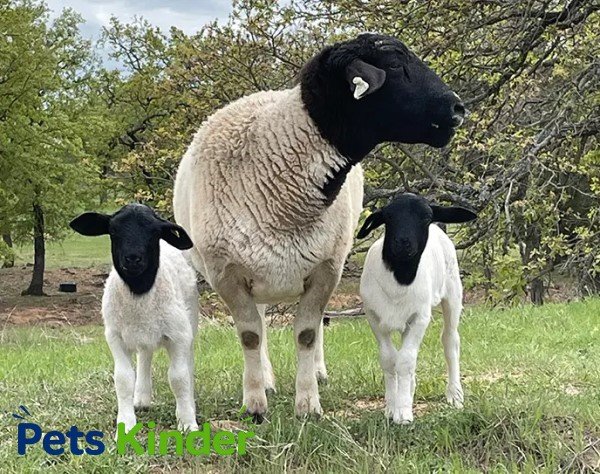
It’s worth noting that there are actually two recognized varieties of this breed. The standard Dorper features a distinctive black head and neck with a white body, while the White Dorper is entirely white from head to tail. Both share the same genetic foundation and performance characteristics the difference is purely cosmetic. Some markets and producers prefer one over the other based on regional aesthetic preferences, but in terms of productivity and hardiness, they are essentially equal.
Key Features and Characteristics
Built for Tough Conditions
What truly sets the Dorper sheep apart from so many other breeds is its extraordinary adaptability. These animals thrive in environments that would stress or kill other sheep intense heat, limited water availability, sparse grazing, and dramatic temperature swings. Their skin is thick and well-pigmented, offering natural protection against harsh UV radiation and extreme weather. Farmers across arid regions consistently report that Dorpers outperform other breeds in terms of survival rates and productivity under minimal management.
Another standout characteristic is their non-woolly coat. Unlike traditional wool-producing breeds, Dorpers have a short, mixed coat of hair and light wool that they shed naturally as seasons change. This means no shearing ever. That single feature alone significantly reduces labor costs and management complexity, which is a massive advantage for both large commercial operations and small hobby farms alike.
Reproductive Efficiency
Dorper sheep are prolific breeders with no fixed seasonal breeding cycle, meaning they can lamb three times in two years under the right management conditions. Ewes are excellent mothers with strong maternal instincts, and they produce enough milk to raise twins without supplemental feeding in most cases. Lambing percentages typically range from 150% to 180% in well-managed flocks, making the Dorper one of the more reproductively efficient meat breeds available today.
Rapid Growth Rate
One of the primary reasons commercial producers love Dorper sheep is their growth speed. Lambs gain weight quickly, often reaching market weight around 70 to 80 pounds within just 3 to 4 months under good nutritional conditions. This fast turnaround translates directly into profitability, especially for producers running high-volume operations.
Dorper Sheep Weight: What to Expect at Every Stage
Understanding dorper sheep weight expectations is essential for anyone managing or purchasing this breed. Newborn Dorper lambs typically weigh between 7 and 11 pounds at birth. By weaning which usually occurs around 3 to 4 months well-fed lambs commonly reach 55 to 70 pounds. Adult ewes generally weigh between 130 and 175 pounds at maturity, while rams are considerably heavier, typically ranging from 200 to 260 pounds, with some exceptional individuals exceeding that range under optimal feeding and management.
These weight ranges can vary based on genetics, nutrition, and management quality. Producers who invest in quality breeding stock and maintain consistent nutritional programs consistently see the upper end of these ranges. Conversely, poor pasture management or overgrazing can significantly suppress growth performance, even in a breed as resilient as the Dorper.
Diet and Nutrition
Grazing and Foraging Behavior
Dorper sheep are highly efficient grazers with a broad dietary tolerance. They consume a wide variety of plant materials grasses, shrubs, forbs, and browse and they actively utilize pasture that other breeds ignore or waste. This foraging versatility makes them especially valuable in rangeland settings where feed resources are unpredictable or limited.
They do not require high-input feeding systems to perform well. In fact, one of the breed’s defining strengths is its ability to maintain body condition and reproductive performance on pasture-based diets that would leave other meat breeds struggling. However, during late pregnancy and early lactation, ewes benefit significantly from supplemental energy and protein hay, grain, or a quality commercial sheep pellet to support both their own condition and healthy lamb development.
Nutritional Considerations for Optimal Performance
For producers aiming at peak growth rates and meat quality, a more structured feeding program makes a meaningful difference. Creep feeding lambs from about 2 to 3 weeks of age with a high-protein grain mix accelerates early weight gain and reduces the time to market. Mineral supplementation particularly selenium, copper, and zinc is critical in areas where soils are deficient, since Dorpers grazing mineral-poor pastures are prone to deficiency-related health issues despite their overall hardiness.
Fresh, clean water availability is non-negotiable. While Dorpers tolerate dry conditions better than most breeds, water restriction during hot weather or late pregnancy causes rapid condition loss and can trigger serious health complications.
Health, Care, and Common Diseases
General Health Resilience
One of the Dorper’s most appealing traits is its relative disease resistance compared to fine-wool breeds. The absence of a heavy fleece eliminates many of the moisture-related skin and fleece conditions like fleece rot and fly strike that plague woolly breeds in humid climates. Their hardy constitution means they generally require less intensive veterinary intervention than many comparable breeds.
That said, no sheep breed is maintenance-free, and Dorpers are no exception to the basic principles of flock health management.
Internal Parasites
Barber pole worm (Haemonchus contortus) is the single most serious health threat to Dorper sheep, particularly in warm, humid climates. This blood-sucking internal parasite causes rapid anemia, bottle jaw, weakness, and death if left untreated. Strategic deworming using targeted selective treatment based on FAMACHA scoring rather than blanket chemical application is the most effective and sustainable approach. Rotating pastures regularly and avoiding overstocking are equally important preventive measures.
Enterotoxemia
Also known as overeating disease, enterotoxemia is caused by Clostridium perfringens bacteria and typically strikes lambs on high-grain diets or lush pasture. Vaccination with a CDT (Clostridium and tetanus) vaccine, administered to ewes before lambing and to lambs at weaning, provides reliable protection and is considered a standard practice in any well-managed Dorper flock.
Foot Rot and Foot Scald
Wet, muddy conditions can lead to foot rot and foot scald bacterial infections that cause painful lameness. Regular hoof trimming, proper drainage in holding areas, and zinc sulfate foot baths are effective preventive tools. Catching foot problems early is critical, since chronic lameness impairs grazing, suppresses weight gain, and compromises overall flock performance significantly.
Respiratory Disease
Pneumonia and other respiratory infections can affect Dorper lambs, particularly in crowded or poorly ventilated housing. Stress from weaning, transport, or sudden dietary changes increases vulnerability. Good husbandry practices adequate space, clean bedding, proper ventilation, and minimizing unnecessary handling stress go a long way toward preventing respiratory outbreaks.
Dorper Sheep for Sale: What Buyers Should Know
If you’re actively searching for dorper sheep for sale, the quality of your initial purchase matters enormously. Registered purebred Dorpers command higher prices often ranging from $300 to over $1,000 per animal depending on age, sex, and pedigree but they offer the most predictable performance outcomes and breeding value. Commercial-grade Dorpers are more affordable and perfectly suitable for meat production operations that don’t require registration papers.
When buying, always inspect animals for soundness of feet and legs, good body condition, bright eyes, clean nasal passages, and a healthy coat. Request health records, vaccination history, and deworming logs from the seller. Buying from reputable breeders who performance-test their animals is the single best way to ensure you’re building your flock on solid genetic ground.
Lifespan and Long-Term Considerations
How Long Do Dorper Sheep Live?
Under good management, Dorper sheep typically live between 10 and 14 years, though most commercial producers cull ewes after 5 to 7 productive years as reproductive efficiency naturally declines with age. Rams used for breeding are often replaced every 3 to 4 years to maintain genetic diversity and prevent inbreeding within a flock.
For small-scale or hobby farm producers, Dorpers kept as long-term breeding animals require consistent hoof care, annual vaccination boosters, regular parasite monitoring, and body condition scoring to maintain health across their productive lifespan. The breed’s inherent hardiness makes this manageable without constant intensive intervention which is, ultimately, what makes the Dorper such an enduring favorite among farmers who want results without unnecessary complexity.
Why the Dorper Continues to Impress
Decades after its development on the dry plains of South Africa, the Dorper sheep remains one of the most sought-after meat breeds in the world. Its combination of adaptability, low maintenance requirements, rapid growth, and consistent meat quality creates a value proposition that very few other breeds can match. For producers looking to build a profitable, sustainable flock whether on 5 acres or 5,000 the Dorper deserves serious consideration.