If you’ve ever imagined a pig that’s gentle, low-maintenance, and actually thrives as a companion animal rather than just livestock, let us introduce you to the KuneKune pig. These round, cheerful little swine have been quietly winning over small farm owners, homesteaders, and hobby farmers across the United States and once you learn what makes them special, it’s easy to understand why.
What Exactly Are KuneKune Pigs?
KuneKune (pronounced “kooney kooney”) is a Maori word meaning “fat and round,” and honestly, that description couldn’t be more fitting. These pigs originated in New Zealand and were kept by the Maori people for generations. They nearly went extinct in the 1970s before a determined conservation effort brought them back from the brink. Today, they’re thriving and their popularity outside New Zealand continues to grow steadily.
Physical Characteristics That Set Them Apart
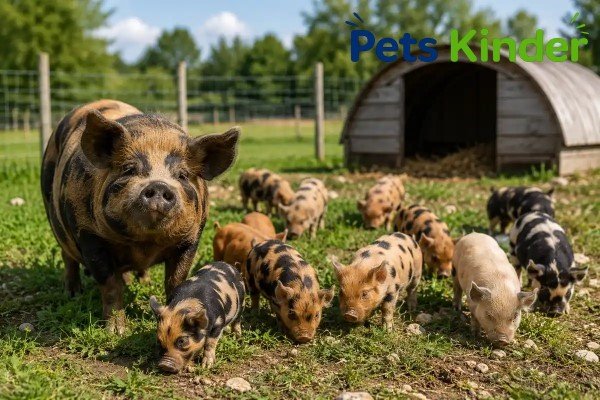
KuneKune pigs are immediately recognizable because of their stocky, barrel-shaped bodies and short, upturned snouts. One of their most distinctive features is the pair of tassels called piri piri that dangle from their lower jaw, similar to a goat’s wattles. Not every KuneKune has them, but many do, and they’re considered a signature trait of the breed.
They come in a wide variety of colors and patterns, including black, brown, ginger, cream, spotted, and tricolor combinations. Their coats can range from smooth to quite shaggy, depending on the individual. Adults typically weigh between 120 and 250 pounds, though some boars can push heavier. They stay considerably smaller than commercial pig breeds, which makes them much more manageable on a small property.
Temperament and Personality
This is where KuneKune pigs truly shine. They’re known for being exceptionally calm, friendly, and people-oriented. Unlike many pig breeds that can be territorial or difficult to handle, KuneKunes tend to actively seek out human interaction. They love being scratched behind the ears, they’ll follow you around the yard, and they’re generally easy to work with even for first-time pig owners.
Because of their docile nature, KuneKune piglets are also notably easy to socialize. When you bring home KuneKune piglets and spend time with them early on, they bond quickly and maintain that friendly disposition well into adulthood. This makes them a popular choice for families, therapy farms, and anyone looking for a pig that doubles as a genuine companion.
Diet and Nutrition
One of the most practical advantages of raising KuneKune pigs is their diet. These pigs are true grazers something that’s quite unusual among domestic pig breeds. They can meet a significant portion of their nutritional needs simply by grazing on pasture grass, which dramatically reduces feeding costs compared to other breeds.
What to Feed KuneKune Pigs
A well-managed pasture with good-quality grass is the foundation of a KuneKune’s diet. Beyond grazing, they benefit from a small daily ration of pig pellets formulated for non-commercial breeds. Fruits, vegetables, and kitchen scraps (where legally permitted) can supplement their diet as occasional treats. However, it’s important to avoid feeding them meat, excessive sugars, or large amounts of starchy foods, as their digestive systems aren’t designed for those inputs.
Fresh, clean water must always be available. KuneKunes are prone to obesity if overfed, so portion control matters especially in winter when grazing is limited. Their root-grubbing behavior is also much less pronounced than in other breeds, largely because their snouts are shorter and not well-suited for deep digging. This is great news for anyone who wants to preserve their pasture or lawn.
Health, Care, and Common Issues
KuneKune pigs are generally hardy and healthy animals, but they do require consistent, attentive care to stay that way. Routine veterinary check-ups, vaccinations, and parasite management are all essential parts of responsible ownership.
Routine Health Care
Hoof trimming is one of the most important and often overlooked aspects of KuneKune care. Their hooves grow continuously and need to be trimmed every six months or so, depending on the terrain they live on. Pigs kept on soft ground will need more frequent trimming than those on rougher surfaces.
Dental health, skin condition, and body weight should all be monitored regularly. Pigs are susceptible to sunburn, especially lighter-colored individuals, so access to shade and mud wallows is essential in warm climates. Mud serves a dual purpose it helps regulate body temperature and protects the skin.
Common Health Issues to Watch For
Obesity is probably the most common issue in KuneKunes kept as pets, since well-meaning owners tend to overfeed them. Internal and external parasites including roundworms, lice, and mange mites can be problems if animals aren’t dewormed and treated on a proper schedule. Respiratory infections can occur in damp, drafty environments, so good shelter is non-negotiable.
KuneKune piglets are particularly vulnerable in their first few weeks of life. Keeping them warm, well-fed, and away from stress during this period sets the foundation for healthy adult pigs.
Lifespan and Long-Term Considerations
KuneKune pigs typically live between 15 and 20 years, which is longer than most people expect. This is a serious long-term commitment one that potential owners should think carefully about before bringing a pig home.
Planning for the Long Haul
Because they live so long, KuneKunes require a stable, permanent home environment. They do best with companionship, whether from another pig or consistent daily human interaction. A solitary KuneKune left alone for long periods can develop behavioral problems or become stressed.
Housing doesn’t need to be elaborate, but it does need to be secure and weatherproof. A sturdy shelter, good fencing, a rooting area, and access to clean pasture will meet their basic needs. Planning for veterinary costs over a 15-to-20-year lifespan is also something new owners should budget for realistically.
Why KuneKune Pigs Deserve More Attention
In a world where many farm animals are bred purely for production, KuneKune pigs stand out as something genuinely different. They’re sustainable grazers, easy to manage, and surprisingly affectionate. Whether you’re running a small homestead, looking for a unique farm addition, or simply want an animal that connects with people in a meaningful way, KuneKunes are worth serious consideration. They don’t just live on your land they become a part of it.