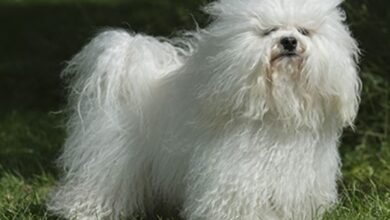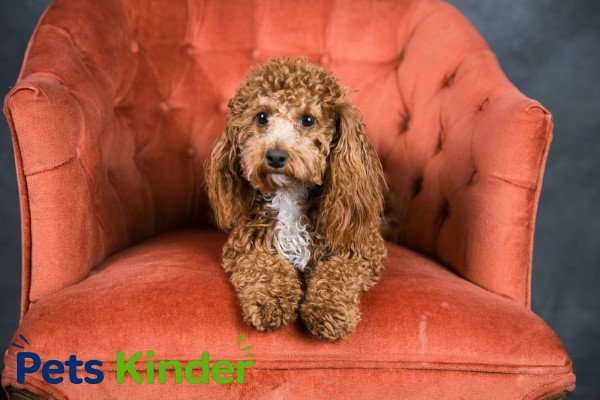
Some dogs are popular. The bichon poodle is something else entirely it’s the kind of dog that turns heads at the park, melts the hearts of strangers, and somehow manages to be equally happy snuggled on your lap or playing fetch in the backyard. This hybrid has earned its devoted following for reasons that go far beyond good looks. Intelligence, affection, adaptability, and a hypoallergenic coat that won’t leave your furniture buried in fur the bichon poodle brings a genuinely impressive combination of traits to the table.
But before you rush out searching for bichon poodle puppies or scroll through every bichon poodle for sale listing you can find, it’s worth understanding exactly what this dog is, what it needs, and whether it’s truly the right fit for your life. Let’s get into it.
What Is a Bichon Poodle, Exactly?
The bichon poodle also widely known as the Poochon or Bichpoo is a designer hybrid breed created by crossing a Bichon Frisé with a Toy or Miniature Poodle. The goal was to combine the Bichon’s cheerful, affectionate nature with the Poodle’s legendary intelligence and low-shedding coat. The result exceeded expectations on both counts.
The Origin of the Bichon Poodle Mix
The bichon poodle mix first gained popularity in Australia during the late 1990s and quickly spread to the United States and United Kingdom as demand for hypoallergenic companion dogs grew. Unlike some designer breeds that feel like a novelty, this particular cross has demonstrated remarkable consistency in temperament and physical traits across generations a quality that has helped it build a serious reputation among dog breeders and families alike.
Unlike purebred dogs, the bichon poodle mix isn’t recognized by the American Kennel Club. However, organizations like the Designer Breed Registry and the American Canine Hybrid Club do acknowledge the breed, and its popularity continues to grow year over year.
Key Features and Characteristics
Understanding what makes the bichon poodle distinctive helps set realistic expectations both about the joys and the responsibilities of ownership.
Appearance and Size
The bichon poodle is a small dog, typically weighing between 6 and 17 pounds and standing 9 to 15 inches tall at the shoulder, depending on whether the Poodle parent was a Toy or Miniature. The coat is one of its most celebrated features soft, curly or wavy, and low-shedding. Colors range widely and include white, cream, apricot, tan, gray, and occasionally parti-color combinations. The face is round and expressive, with dark, alert eyes and a compact muzzle that gives the dog an almost permanently sweet expression.
Temperament: The Real Reason People Fall in Love
Temperament is where the bichon poodle truly earns its reputation. These dogs are genuinely affectionate not in a needy, anxious way, but in a warm, engaged, happy-to-be-with-you way. They’re playful without being hyperactive, curious without being destructive, and social without being overwhelming. They get along well with children, other dogs, and even cats when properly introduced. Moreover, their Poodle heritage gives them an intellectual edge that makes training not just possible but genuinely enjoyable for both dog and owner.
Bichon Poodle Puppies: What to Expect in the Early Months
Bringing bichon poodle puppies home is an experience most owners describe as completely disarming. They’re small, fluffy, endlessly curious, and possess a confidence that seems almost comically mismatched with their tiny bodies. But those first few months are also when the most important foundations get laid.
Socialization and Early Training
Early socialization is critical for bichon poodle puppies. Expose them to different people, sounds, environments, and animals during the first 12 to 16 weeks of life, and you’ll set the stage for a well-adjusted adult dog. Their intelligence means they pick up commands quickly basic obedience training can begin as early as eight weeks, kept in short, positive sessions. Harsh corrections don’t work well with this breed; positive reinforcement with treats and praise produces far better results and builds a stronger bond.
Housetraining Realities
Housetraining a bichon poodle puppy takes patience. Small breeds have small bladders, which means more frequent trips outside and more vigilance in the early weeks. Crate training, combined with a consistent schedule, significantly shortens the housetraining timeline. Most owners find their bichon poodle puppies reliably housetrained by four to six months with consistent effort.
Bichon Poodle Price: What Does This Dog Actually Cost?
If you’ve started researching bichon poodle for sale listings, you’ve probably already noticed that this isn’t a budget breed. Understanding the bichon poodle price breakdown helps you plan realistically and avoid the trap of choosing a cheaper puppy from a questionable source.
Purchase Price Range
From a reputable breeder, the bichon poodle price typically falls between $1,000 and $3,000 in the United States. Some breeders in high-demand markets charge more, particularly for puppies with champion lineage on either side. The variation in bichon poodle price reflects factors like the breeder’s reputation, geographic location, the puppy’s generation (F1, F1b, F2), coat color, and whether health testing has been performed on the parent dogs.
Beyond the Purchase Price
The initial bichon poodle price is just the beginning. Factor in spay or neuter costs, initial vaccinations, microchipping, quality food, grooming every six to eight weeks, annual vet checkups, and pet insurance. A realistic first-year budget for a bichon poodle puppy runs between $2,500 and $4,500 all-in, with ongoing annual costs of roughly $1,200 to $2,000 thereafter.
Finding a Bichon Poodle for Sale Responsibly
With any popular designer breed, the market for bichon poodle for sale listings is a mix of reputable breeders, well-meaning but inexperienced hobby breeders, and outright puppy mills. Knowing the difference protects both your wallet and your future dog’s health.
Red Flags to Watch For
Reputable breeders health-test both parent dogs for genetic conditions common to Bichons and Poodles including hip dysplasia, patellar luxation, and progressive retinal atrophy. They welcome questions, offer references, and typically have waiting lists. Be cautious of any bichon poodle for sale listing that offers immediate availability of multiple litters, refuses to show you the parents, or pressures you to commit quickly. Those are hallmarks of operations that prioritize volume over quality.
Adoption as an Alternative
Rescue organizations and breed-specific shelters occasionally have bichon poodle mix dogs available for adoption. While puppies are rare through rescue channels, young adults and mature dogs often make exceptional companions and adoption fees are significantly lower than breeder prices.
Celebrity Connection: The Bichon Poodle in the Spotlight
The bichon poodle’s charm hasn’t gone unnoticed in celebrity circles. Barbara Streisand, famously devoted to her dogs, has been known to favor small, hypoallergenic breeds with gentle temperaments precisely the profile the bichon poodle embodies. While Streisand’s most publicized dogs have been Coton de Tulears, her vocal advocacy for hypoallergenic companion breeds has shone a broader spotlight on crosses like the bichon poodle mix, contributing to their rising visibility among pet lovers who follow celebrity animal choices closely. Several other entertainers and public figures have quietly embraced Poochons as ideal apartment and travel companions, further cementing the breed’s status as a sophisticated yet approachable choice.
Diet and Nutrition for the Bichon Poodle
Feeding a bichon poodle well is straightforward, but it does require attention to portion control and ingredient quality. Small breeds have faster metabolisms than large dogs, but they’re also prone to weight gain if overfed a balance that requires consistent monitoring.
What to Feed and How Much
High-quality small-breed dry kibble forms a solid nutritional foundation. Look for formulas where a named protein source chicken, turkey, salmon appears as the first ingredient, and avoid products loaded with corn syrup, artificial preservatives, or vague “meat by-product” listings. Adult bichon poodles typically eat between half a cup and one cup of kibble per day, divided into two meals. Treats should account for no more than ten percent of total daily calories.
Fresh food additions like cooked chicken, steamed vegetables, and plain yogurt can complement kibble nicely, but introduce them gradually and always verify safety grapes, onions, and xylitol are toxic to dogs and must be avoided entirely.
Health, Care, and Common Issues
The bichon poodle benefits from what breeders call hybrid vigor the tendency for crossbreeds to be healthier than their purebred parents due to greater genetic diversity. That said, they’re not immune to health issues, and responsible owners stay proactive about prevention and early detection.
Common Health Concerns
Patellar Luxation
This condition, where the kneecap slips out of its normal position, affects many small breeds and the bichon poodle is no exception. Mild cases may require no treatment beyond weight management and gentle exercise modification. Severe cases may need surgical correction. Regular vet checkups help catch early signs before the condition progresses.
Progressive Retinal Atrophy (PRA)
Inherited from the Poodle side of the lineage, PRA causes gradual deterioration of the retina, eventually leading to blindness. There’s no cure, but DNA testing of parent dogs can identify carriers before breeding another reason choosing a health-tested breeder matters enormously.
Skin Sensitivities and Allergies
The Bichon Frisé is known for skin sensitivity, and this trait sometimes passes to the bichon poodle mix. Food allergies, environmental allergens, and contact irritants can all trigger itching, redness, or hot spots. A veterinary dermatologist can help identify specific triggers if standard interventions don’t resolve the issue.
Grooming as Health Care
The bichon poodle’s coat requires professional grooming every six to eight weeks, along with regular brushing at home ideally every two to three days to prevent painful matting. Ears need weekly cleaning to prevent moisture buildup and infection. Dental hygiene is equally important; small breeds are particularly prone to periodontal disease, so daily tooth brushing or dental chews should be part of the routine from puppyhood onward.
Lifespan and Long-Term Considerations
The bichon poodle is a genuinely long-lived breed. Most individuals live between 12 and 15 years, and well-cared-for dogs reaching 16 or 17 years are not uncommon. That longevity is one of the breed’s greatest gifts and one of its most significant responsibilities.
Owning a bichon poodle is a decade-and-a-half commitment that will encompass major life changes, moves, relationships, and evolving circumstances. Planning for their care through every stage including senior years when veterinary costs often increase and mobility may decline is part of what it means to own this breed responsibly. Dogs that receive consistent veterinary care, a high-quality diet, regular exercise, mental stimulation, and genuine companionship throughout their lives consistently reach the upper end of that lifespan range.
The bichon poodle isn’t just a pet. For most owners, it becomes a deeply woven part of daily life a presence that shapes routines, lifts moods, and offers the kind of uncomplicated loyalty that humans rarely manage to replicate. If you’re ready for that level of connection, this dog will absolutely deliver.