Before You Search for Scottish Fold Kittens for Sale, Read This Complete Guide First

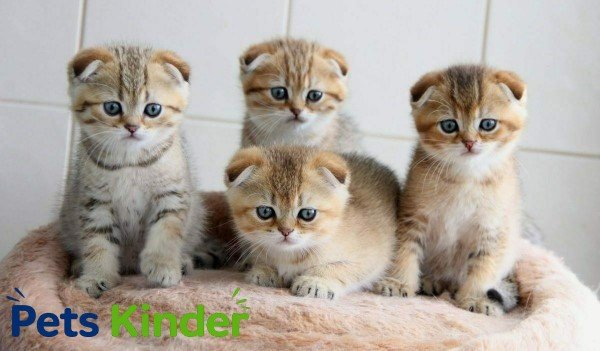
There’s something almost irresistible about a Scottish Fold. Those small, forward-folded ears, the wide round eyes, the compact little body it all adds up to a cat that looks like it stepped straight out of a storybook. No wonder people search endlessly for Scottish Fold kittens for sale, often falling in love before they’ve even done a lick of research. And that’s exactly the problem. This breed deserves more than impulse-buy energy. It deserves informed, committed ownership because behind that adorable face lies a cat with very specific needs, real health considerations, and a personality that will either perfectly match your lifestyle or completely mismatch it.
So before you hand over a deposit, let’s talk about everything you actually need to know.
The Scottish Fold: Where It All Began
The Scottish Fold has one of the more charming origin stories in the cat world. The breed traces back to a single farm cat named Susie, discovered in Perthshire, Scotland in 1961. Susie had a spontaneous genetic mutation that caused the cartilage in her ears to fold forward, giving her that distinctive owl-like appearance. A local farmer named William Ross took notice, acquired one of her kittens, and began selectively breeding for the trait.
The breed eventually made its way to the United States in the 1970s, where it quickly gained popularity. Over the decades, breeders introduced crosses with American Shorthairs and British Shorthairs to strengthen the gene pool. Today, the Scottish Fold is recognized by major cat registries and remains one of the most searched and admired breeds worldwide though not without ongoing controversy surrounding its genetics, which we’ll get to shortly.
Scottish Fold Characteristics: What Makes This Cat Truly Unique
The Ears Everyone Talks About
The folded ears are obviously the Scottish Fold’s signature feature, but there’s more nuance here than most people realize. Not all Scottish Folds are born with folded ears in fact, all kittens are born with straight ears, and only those carrying the fold gene will begin to show the characteristic fold at around three to four weeks of age. Kittens whose ears remain upright are called “Scottish Straights” and carry the same genetic background without the fold.
The degree of folding also varies. Some cats have a single fold, while others have a tighter double or triple fold that presses the ear almost flat against the head. Triple-fold ears are often considered the most visually dramatic, though they also carry greater health implications more on that in a moment.
Body Type and Physical Build
Beyond the ears, the Scottish Fold has a distinctly rounded body structure. The head is broad and domed, the cheeks are full, and the eyes are large and widely spaced, giving the face that perpetually surprised, almost cartoonish expression people adore. The legs are short to medium in length, the paws are round and neat, and the tail is typically thick at the base and tapers toward the tip.
Overall, the Scottish Fold is a medium-sized cat, with adults typically weighing between 6 and 13 pounds. Males tend to run larger than females. The body feels solid and substantial when you pick one up these are not fragile, delicate cats despite their sweet appearance.
Personality and Temperament
Here’s where the Scottish Fold really wins hearts. This breed is famously calm, adaptable, and deeply affectionate without being clingy or demanding. Scottish Folds tend to attach strongly to their primary humans but generally get along well with children, other cats, and cat-friendly dogs. They’re playful enough to enjoy interactive toys and puzzle feeders, but they’re equally content to curl up beside you on the couch for hours.
One quirky trait that owners find endlessly entertaining is the Scottish Fold’s habit of sitting in what’s often called the “Buddha position” flat on their bottom with their legs stretched out in front and their belly exposed. It looks almost human, and it’s completely typical behavior for the breed.
Scottish Fold Colors: A Surprisingly Wide Palette
One thing that surprises many first-time buyers searching for Scottish Fold kittens for sale is just how many color and pattern options exist. The Scottish Fold comes in a remarkably broad range of colors and coat patterns. Solid colors include white, black, blue, red, and cream. Tabby patterns classic, mackerel, spotted, and ticked are extremely common and come in a variety of base colors. Tortoiseshell, calico, bicolor, and colorpoint patterns also appear regularly in well-bred litters.
Eye color tends to correspond with coat color. White and colorpoint cats often have blue or odd eyes, while most other coat colors produce gold or copper eyes. Green eyes appear occasionally, particularly in certain tabby lines.
The point here is that if you have a specific color preference when looking at Scottish Fold kittens for sale, a reputable breeder should be able to point you toward available or upcoming litters that match what you’re looking for.
Scottish Fold Longhair: The Breed’s Softer, Fluffier Side
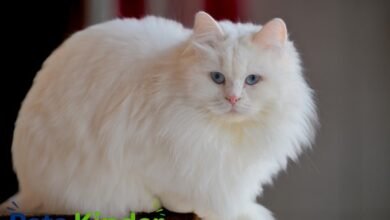
Not everyone realizes that the Scottish Fold comes in a longhaired version, sometimes called the Highland Fold. The Scottish Fold longhair carries the same folded-ear gene and rounded body type but wears a semi-long, flowing coat with a noticeable ruff around the neck, tufted ears, and a gloriously plumed tail.
The longhaired variety requires more grooming commitment plan on brushing two to three times per week to prevent tangles and matting, particularly behind the ears and under the arms. Despite the extra coat care, many owners feel the aesthetic payoff is well worth it. The Scottish Fold longhair in a blue-gray tabby pattern, for instance, is genuinely one of the most visually stunning domestic cats you’ll encounter.
The Scottish Fold Munchkin Cat: A Controversial Hybrid
You’ve probably seen photos of a cat that looks like a Scottish Fold but with dramatically short legs that’s the Scottish Fold Munchkin cat, a hybrid cross between the Scottish Fold and the Munchkin breed. The result is an extremely compact cat with folded ears, a round face, and legs that are noticeably shorter than even standard Scottish Folds.
These cats attract intense attention online, but they also attract serious concern from veterinarians and responsible breeders alike. Both the Scottish Fold and the Munchkin carry genetic mutations that individually cause skeletal concerns. Combining both mutations significantly amplifies the risk of joint pain, mobility issues, and chronic discomfort throughout the cat’s life. Most responsible breed organizations do not recognize this hybrid, and many reputable breeders actively advise against it. If you encounter Scottish Fold Munchkin kittens for sale at suspiciously low prices, treat that as a red flag rather than a bargain.
Diet and Nutrition: Feeding Your Scottish Fold Right
Scottish Folds don’t have dramatically unusual dietary needs compared to other domestic cats, but they do benefit from a thoughtful feeding approach. High-quality protein should form the foundation of every meal look for cat foods that list a named meat source (chicken, turkey, salmon) as the first ingredient. Because Scottish Folds carry an elevated risk of joint issues, some owners and vets recommend foods or supplements containing omega-3 fatty acids and glucosamine to support cartilage and joint health proactively.
Portion control matters considerably for this breed. Scottish Folds tend toward a sedentary lifestyle, and weight gain sneaks up on them faster than on more active breeds. Obesity puts additional strain on already-vulnerable joints, so measuring meals and limiting free-feeding is genuinely important. Fresh water should always be available many cats of all breeds benefit from a cat water fountain, which encourages better hydration compared to a static bowl.
Health, Care, and Common Issues
Osteochondrodysplasia: The Core Health Concern
This is the conversation that every prospective Scottish Fold owner needs to have honestly. The gene responsible for the folded ears designated Fd doesn’t just affect ear cartilage. It affects cartilage and bone development throughout the entire body. Cats that inherit two copies of the fold gene (homozygous) almost universally develop a painful, progressive skeletal disease called osteochondrodysplasia (OCD), which causes abnormal bone and joint development, particularly in the tail, ankles, and lower limbs.
Even heterozygous cats those with one copy of the fold gene can develop OCD, though typically in milder forms. Signs include reluctance to jump, a stiff or shortened tail, lameness, and visible joint swelling. There is no cure, only pain management. This is why many veterinary organizations, including those in the UK and Germany, have called for restrictions on Scottish Fold breeding altogether.
Responsible breeders test breeding pairs carefully and never cross two fold-eared cats together. When evaluating Scottish Fold kittens for sale, always ask for health testing documentation and be wary of any breeder who dismisses these concerns.
Polycystic Kidney Disease (PKD)
Because Scottish Folds were historically crossed with Persians and British Shorthairs, some lines carry a risk for polycystic kidney disease. DNA testing can identify carriers, and reputable breeders screen for this condition before breeding.
Ear Care
Those folded ears are beautiful but require regular cleaning. The tight fold reduces natural air circulation, making the ear canal more prone to wax buildup, debris accumulation, and infections. Checking and gently cleaning the ears every one to two weeks with a vet-approved cleaner is an important part of routine Scottish Fold care.
Lifespan and Long-Term Considerations
A healthy Scottish Fold typically lives between 11 and 15 years, with some individuals reaching into their late teens under excellent care. The critical factor in longevity is the degree to which skeletal issues develop and how well they’re managed. Annual veterinary checkups, a joint-supportive diet, and maintaining a healthy body weight all contribute meaningfully to quality of life as the cat ages.
Before committing to any Scottish Fold kittens for sale, ask yourself honestly whether you’re prepared for the possibility of managing a cat with chronic pain later in life. Vet bills for joint disease management can be significant. Pet insurance taken out while the cat is young and healthy is a genuinely smart investment for this breed.
Final Thoughts: Finding Scottish Fold Kittens for Sale the Right Way
The Scottish Fold is a genuinely captivating breed charming, gentle, visually distinctive, and deeply companionable. But responsible ownership starts with honest research, not just searching for the most adorable kitten photos available. Seek out breeders who are transparent about health testing, who don’t breed fold-to-fold pairings, and who prioritize the long-term well-being of their cats over maximizing the number of kittens with tight ear folds.
When you find Scottish Fold kittens for sale from a breeder who can answer every hard question with confidence and documentation, you’ll know you’re in the right place. That kitten will likely bring you well over a decade of companionship and they deserve a start in life that sets them up for as much health and happiness as possible.