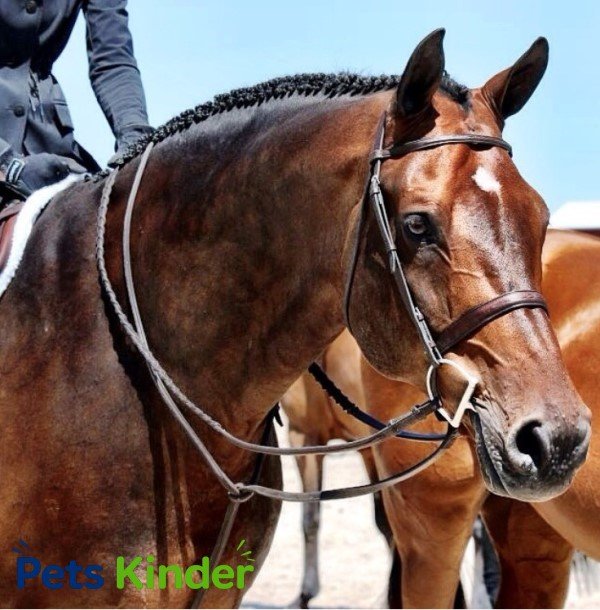
If you’ve ever watched a skilled rider guide a thousand-pound animal with what looks like effortless grace, you’ve witnessed the magic of horse reins at work. These strips of leather or sometimes rope, nylon, or rubber are far more than simple tools. They’re the primary line of communication between a rider and their horse, and understanding them deeply can transform the way you ride. Whether you’re a curious beginner or a seasoned equestrian looking to sharpen your knowledge, this guide covers everything from the horse reins definition to the nuanced differences between western and English styles.
What Are Horse Reins? A Clear Definition
Horse Reins Definition and Basic Purpose
So, what exactly are horse reins? Simply put, horse reins are long, flexible straps attached to either side of a horse’s bit, allowing the rider to steer, slow, stop, and communicate subtle cues to the animal. They run from the bit the metal piece inside the horse’s mouth up through the rider’s hands. Some people mix up the spelling and search for “horse reins or reigns,” but the correct term is always reins. “Reign” refers to a period of rule, while “rein” comes from the Latin retinere, meaning to hold back or restrain. Easy enough to remember once you know the difference.
Reins work in tandem with leg pressure, seat position, and voice commands to form a complete communication system. However, the reins remain the most direct and tactile form of connection a rider has with a horse’s mouth. Used well, they deliver signals that are light, clear, and precise. Used poorly, they can confuse or even hurt the animal.
Horse Reins and Bridle: How They Work Together
You can’t talk about horse reins without mentioning the bridle, because the two are inseparable. A bridle is the entire headgear worn by a horse, and it includes the headstall (the straps around the head), the bit, and the reins themselves. Together, the horse reins and bridle form a system that gives the rider control over direction and speed.
The bit sits in the horse’s mouth, resting in the gap between the front teeth and the back molars. When a rider applies pressure through the reins, the bit transmits that pressure to the horse’s mouth, tongue, bars, or chin groove depending on the bit style. A well-fitted bridle ensures the bit sits correctly, making rein communication clearer and more humane.
Types of Horse Reins: Western vs. English
Western Horse Reins
Western riding has its own distinct tradition, and that extends to the equipment. Western horse reins are typically longer than their English counterparts, ranging from seven to eight feet in length. They come in two main styles: split reins and romal reins.
Split reins are two separate straps, each attached to one side of the bit. They give the rider flexibility and allow for more individualized hand movement. A skilled western rider can use them to neck rein (laying the rein against the horse’s neck to guide direction) or use direct pressure. Split reins are especially popular in trail riding and general ranch work.
Romal reins, on the other hand, are connected at the ends to a long, flexible quirt-like extension called a romal. They’re most commonly seen in traditional California vaquero-style riding and in certain show disciplines. These reins require a more refined, one-handed riding technique and demand a well-trained, responsive horse.
Western reins are often made from leather, rawhide, or braided rope. Many riders prefer the weight and feel of leather because it provides good tactile feedback. Rope reins have gained popularity in natural horsemanship circles because they’re durable, easy to clean, and inexpensive.
English Horse Reins
English horse reins differ from western reins in both length and style. They’re typically shorter around four to five feet per side and are joined in the middle, forming a loop the rider holds with both hands. English riding disciplines, including dressage, jumping, and eventing, rely heavily on two-handed rein contact, which is why the connected design makes sense.
The most common types of English reins include:
- Laced reins — leather reins with a laced grip surface for better hold, popular in jumping disciplines
- Rubber-grip reins — have rubber stops or a full rubber coating, offering excellent grip in wet conditions
- Plaited reins — braided leather or synthetic, offering a combination of grip and aesthetics
- Draw reins — a training aid that runs from the girth, through the bit rings, and back to the rider’s hands, encouraging the horse to work in a rounder frame
English reins tend to be thinner than western ones, reflecting the lighter contact and finer communication style associated with English riding. Many dressage riders, for example, aim for contact so delicate that the rein is barely taut a concept often described as holding a bird: firm enough it can’t fly away, gentle enough it isn’t hurt.
How to Hold Horse Reins: Technique and Tips
The Basics of Rein Grip
Learning how to hold horse reins properly is one of the first things any new rider must master. Poor hand position leads to mixed signals, tension in the horse, and an uncomfortable ride for both parties. The good news is that the fundamentals are straightforward.
For English riding, hold the reins in both hands, with each rein passing between the ring finger and little finger, then up through the fist, and exiting between the thumb and index finger. The thumbs rest on top, lightly pressing down to keep the reins secure. Your hands should be roughly above the horse’s withers, with a straight line running from your elbow, through your wrist and hand, down the rein, and to the horse’s mouth.
For western riding, especially in trail or pleasure classes, one-handed riding is traditional. The rein hand (usually the left, unless a rider is left-handed) holds both reins above the saddle horn with a relaxed, closed fist. The free hand rests on the thigh or by the side. More advanced neck reining relies on the horse responding to the rein pressure against its neck rather than direct bit contact.
Common Mistakes to Avoid
Many beginners hold the reins too tightly or let them go too loose. Both extremes cause problems. Stiff, rigid hands transmit tension directly to the horse’s mouth, potentially making the animal anxious, resistant, or head-shy. Overly loose reins offer no guidance and can lead to the horse taking control. The goal is a soft, elastic connection consistent but never rigid.
Another frequent mistake is pulling backward on both reins at once to slow down. Instead, think of half-halts: a brief, subtle squeeze-and-release that asks the horse to rebalance and slow its pace. This approach respects the horse’s mouth and produces much better results over time.
Caring for Your Horse Reins
Maintenance and Longevity
Like any piece of tack, horse reins need regular care to stay functional and safe. Leather reins should be cleaned with a damp cloth after each ride to remove sweat and dirt, then conditioned with a quality leather conditioner every few weeks. Neglected leather becomes brittle and can snap under pressure a serious safety risk when you’re mounted on a moving horse.
Rope and nylon reins are easier to maintain; most can be rinsed with water and air-dried. Avoid leaving any type of rein in direct sunlight for extended periods, as UV exposure breaks down both leather and synthetic materials faster than normal wear.
Inspect your reins regularly for signs of wear. Look for cracking, fraying stitching, weakened snaps, or worn holes near the bit attachments. A rein that fails mid-ride can leave a rider without control at a critical moment. Replacing worn reins promptly is simply good horsemanship.
Choosing the Right Reins for Your Discipline
Selecting the right pair of reins comes down to your riding style, your horse’s training level, and personal preference. A beginner in an English lesson program will do fine with standard rubber-grip reins they’re forgiving and practical. A competitive western pleasure rider may want premium rolled leather split reins for their classic appearance and feel. Trail riders often prefer biothane or nylon for their weather resistance and easy care.
Weight matters more than many new riders realize. Heavier reins provide constant light contact and can help a horse stay more consistent in the bridle. Very lightweight reins, while comfortable to hold, may not offer enough feedback for less experienced riders.
The Bigger Picture: Why Reins Matter So Much
Horse reins are, in many ways, a mirror of your horsemanship. How you hold them, how gently you use them, and how well you maintain them says a lot about your relationship with your horse. Good rein technique develops over years of practice, feel, and quiet observation. The best riders in the world whether they compete in FEI dressage arenas or work cattle on open rangeland share one thing in common: they use their reins with intention and restraint.
Understanding the full picture of horse reins from proper definitions and terminology, to the differences between western and English styles, to how to hold them correctly gives every rider a stronger foundation. Spend time learning the nuances, invest in quality equipment, and care for your tack consistently. Your horse will notice the difference, and so will you.